
Federal Reserve Rate Expectations: What Every Business Should Know
R
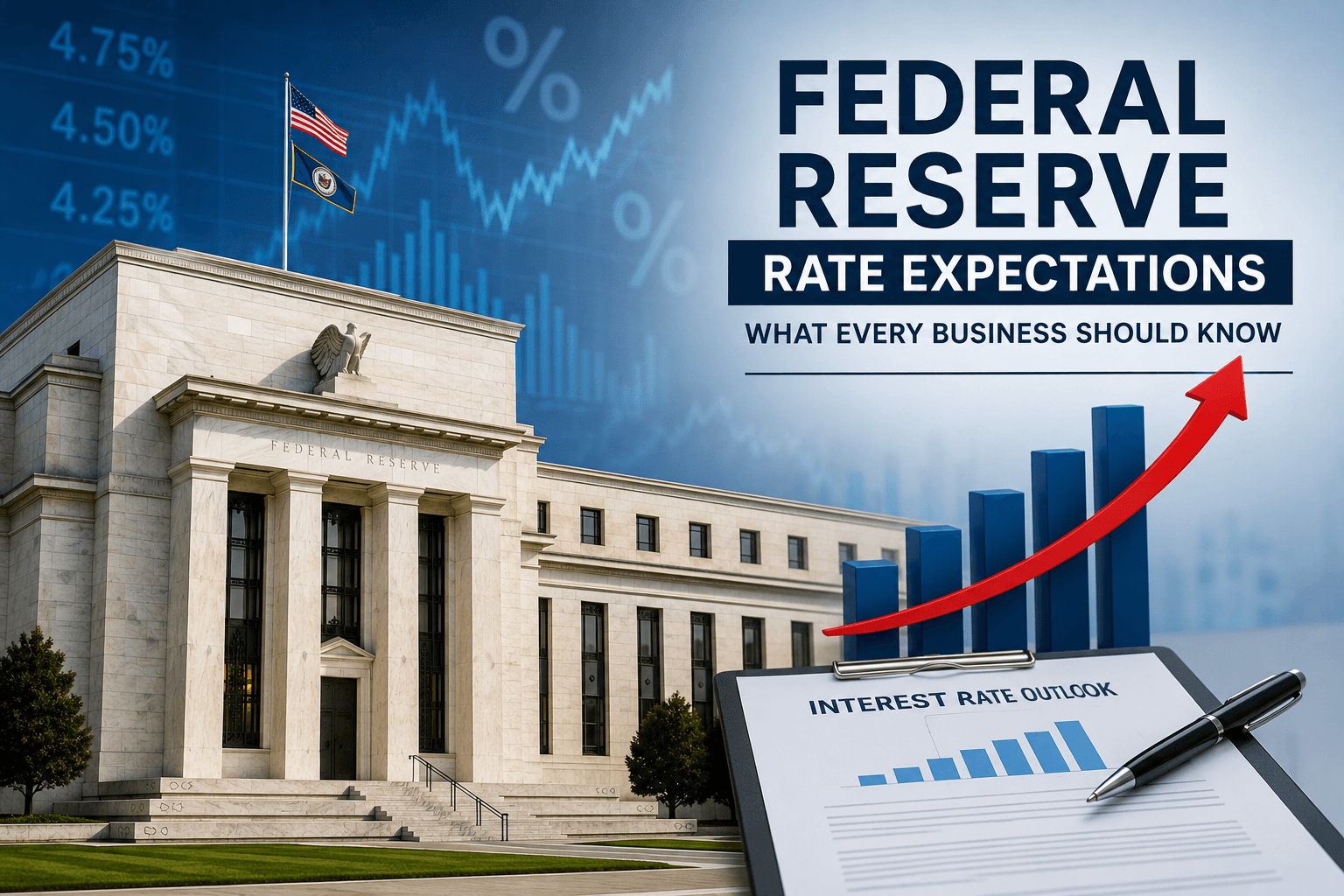
Interest rates play a critical role in shaping the economy, influencing everything from business borrowing and consumer spending to investment decisions and financial markets. In 2026, businesses around the world are paying close attention to the U.S. Federal Reserve as policymakers continue evaluating inflation, employment, and economic growth before making interest rate decisions.
Although the Federal Reserve's policies directly affect the United States, their impact extends far beyond American borders. Companies, investors, and financial institutions worldwide monitor every announcement because changes in interest rates can influence global markets, currency values, and business confidence.
What Is the Federal Reserve?
The Federal Reserve, often called the Fed, is the central bank of the United States. Its primary responsibilities include maintaining price stability, supporting employment, supervising financial institutions, and promoting a healthy economy.
One of the Fed's most important tools is setting interest rate policy. By adjusting rates, it can encourage economic growth or help slow inflation when prices rise too quickly.
Why Interest Rates Matter
Interest rates affect the cost of borrowing money.
When rates are lower, businesses often find it easier to finance expansion projects, purchase equipment, hire employees, and invest in innovation. Consumers may also borrow more for homes, vehicles, and other major purchases.
Higher interest rates, however, increase borrowing costs. Businesses may delay investments, while consumers often reduce spending, leading to slower economic activity.
Inflation Remains a Key Focus
Inflation continues to be one of the biggest factors influencing Federal Reserve decisions.
When inflation rises above target levels, the Fed may keep interest rates higher for longer to reduce demand and stabilize prices.
If inflation continues to ease while economic growth slows, policymakers may consider lowering rates to encourage investment and consumer spending.
Businesses closely monitor inflation data because it directly affects operating costs, pricing strategies, and profit margins.
Impact on Financial Markets
Interest rate expectations often move financial markets even before official decisions are announced.
Technology stocks, banking shares, real estate companies, and growth-focused businesses tend to respond quickly to changing expectations.
Investors also watch government bond yields, currency markets, and commodity prices for signs of how markets interpret Federal Reserve policy.
Even small changes in expectations can create significant market volatility.
Business Planning in an Uncertain Environment
Many companies are adopting flexible financial strategies to prepare for changing economic conditions.
Businesses are reviewing operating expenses, strengthening cash flow management, reducing unnecessary debt, and investing in technologies that improve efficiency.
Organizations with strong financial planning are generally better positioned to manage periods of higher borrowing costs while continuing long-term growth.
Opportunities Despite Higher Rates
Although higher interest rates create challenges, they also present opportunities.
Companies with healthy balance sheets may benefit from reduced competition if weaker businesses delay expansion.
Financial institutions often experience improved lending margins during periods of higher rates.
Investors may also find opportunities in sectors that perform well during different phases of the economic cycle.
The key is maintaining a long-term strategy rather than reacting to short-term market movements.
Looking Ahead
Economic conditions continue evolving as inflation, employment, consumer spending, and business investment shape future Federal Reserve decisions.
While no one can predict the exact timing of future policy changes, businesses that remain informed and financially prepared will be better positioned to adapt.
Monitoring economic indicators and maintaining sound financial management can help organizations navigate uncertainty while identifying new growth opportunities.
Conclusion
Federal Reserve interest rate decisions influence businesses of every size. From borrowing costs and consumer demand to investment planning and financial markets, rate expectations remain one of the most important economic factors in 2026.
Businesses that understand these trends and adjust their strategies accordingly can improve resilience and position themselves for long-term success in a changing global economy.
| Category | Details |
|---|---|
| Topic | Finance |
| Author | Rose |
| Published | 26/06/2026 |
| Read Time | Not set |
R