

Funding and Investment Rounds Fuel Startup Growth in 2026
R
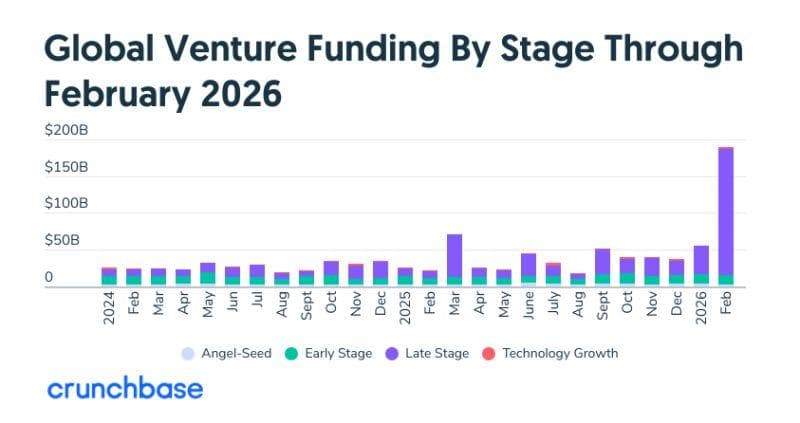
The global startup ecosystem continues to evolve rapidly in 2026, with funding and investment rounds playing a critical role in helping emerging companies scale their operations, develop innovative products, and enter new markets. Despite economic uncertainties in some regions, investors remain focused on identifying promising startups that demonstrate strong business models, technological innovation, and long-term growth potential.
Across industries such as artificial intelligence, fintech, healthcare, clean energy, e-commerce, cybersecurity, and mobility, startups are attracting significant capital from venture capital firms, angel investors, corporate investment arms, and private equity groups. These investments are helping entrepreneurs transform ideas into viable businesses while driving innovation and job creation worldwide.
The Importance of Startup Funding
Funding serves as the foundation for startup growth. While many entrepreneurs begin with personal savings or support from family and friends, scaling a business often requires additional financial resources. Investment rounds provide startups with the capital needed to hire talent, develop products, expand operations, increase marketing efforts, and improve infrastructure.
Without access to funding, many promising startups may struggle to compete in increasingly competitive markets. Investors, on the other hand, gain opportunities to participate in high-growth ventures that have the potential to generate substantial returns over time.
The relationship between startups and investors continues to strengthen as both sides recognize the importance of collaboration in achieving sustainable business growth.
Understanding Investment Rounds
Startup funding typically occurs through multiple investment stages, each designed to support companies at different phases of development.
Pre-Seed Funding
Pre-seed funding often represents the earliest stage of investment. At this phase, entrepreneurs may seek capital to validate their ideas, conduct market research, build prototypes, or establish initial operations. Funding usually comes from founders, friends, family members, or angel investors.
Seed Funding
Seed funding helps startups refine products and prepare for market entry. Investors evaluate factors such as market opportunity, founding team strength, and early customer traction before providing capital. Seed-stage funding remains one of the most active areas within the startup ecosystem.
Series A Funding
Once startups demonstrate market demand and business viability, they may pursue Series A funding. This stage focuses on scaling operations, improving products, and expanding customer acquisition efforts. Venture capital firms often play a significant role during Series A rounds.
Series B and Beyond
Series B, C, and later-stage funding rounds are designed to accelerate growth. Companies may use capital to expand internationally, acquire competitors, enter new verticals, or invest heavily in technology development. At these stages, investment amounts can reach tens or even hundreds of millions of dollars.
Venture Capital Activity Remains Strong
Venture capital firms continue to be among the most influential players in startup financing. In 2026, investors are increasingly focusing on companies that demonstrate clear paths to profitability while maintaining strong growth prospects.
Many venture capital firms are adopting a more selective approach compared to previous years. Rather than prioritizing rapid expansion at all costs, investors are evaluating business fundamentals, operational efficiency, customer retention, and revenue generation capabilities.
This shift encourages startups to build sustainable business models that can withstand market fluctuations and economic challenges.
Artificial Intelligence Leads Investment Trends
Artificial intelligence remains one of the most attractive sectors for investors in 2026. Startups developing AI-powered solutions are receiving substantial attention across industries ranging from healthcare and finance to logistics and education.
Investors recognize the transformative potential of AI technologies, particularly in areas such as automation, predictive analytics, machine learning, natural language processing, and personalized customer experiences.
The increasing adoption of AI solutions by businesses worldwide has created significant opportunities for startups offering innovative technologies that improve efficiency and productivity.
Fintech Continues to Attract Capital
Financial technology startups remain a major focus for investors. Digital banking, payment solutions, financial inclusion platforms, lending technologies, and wealth management tools continue to reshape the financial services landscape.
Consumers increasingly expect seamless digital financial experiences, encouraging startups to develop innovative products that improve accessibility and convenience. Investors are responding by supporting companies that address evolving consumer needs while leveraging emerging technologies.
As financial systems become more interconnected, fintech startups are positioned to play a vital role in the future of global commerce.
Healthcare Innovation Gains Momentum
Healthcare startups are experiencing continued investment growth as technology transforms patient care, diagnostics, and healthcare delivery systems.
Investors are supporting startups focused on telemedicine, digital health platforms, medical data analytics, wearable health technologies, and personalized treatment solutions. Advances in biotechnology and healthcare innovation are creating new opportunities for entrepreneurs to address complex medical challenges.
The demand for efficient, accessible, and technology-driven healthcare services continues to drive investor interest in this sector.
Sustainability and Clean Energy Investments Rise
Environmental sustainability has become a major investment priority. Startups focused on renewable energy, carbon reduction, sustainable transportation, energy storage, and climate technology are attracting increasing levels of funding.
Governments, corporations, and consumers are placing greater emphasis on sustainability initiatives, creating favorable conditions for environmentally focused startups. Investors view clean energy and climate innovation as both financially attractive and socially impactful opportunities.
This trend is expected to continue as global efforts to address environmental challenges intensify.
Corporate Investors Expand Their Presence
Large corporations are increasingly participating in startup investment rounds through dedicated venture arms and strategic partnerships. Corporate investors seek access to emerging technologies, innovative business models, and potential acquisition opportunities.
By investing in startups, established companies can stay ahead of industry trends while supporting innovation within their sectors. Startups benefit from access to industry expertise, customer networks, and strategic resources that can accelerate growth.
These partnerships often create mutually beneficial relationships that extend beyond financial investment.
Global Startup Ecosystems Continue to Grow
Startup activity is no longer concentrated in a few major technology hubs. Emerging startup ecosystems across Asia, the Middle East, Africa, Latin America, and Europe are attracting increasing investor attention.
Governments and private organizations are supporting entrepreneurship through incubators, accelerators, funding programs, and innovation initiatives. Improved digital infrastructure and growing access to global markets have enabled startups from diverse regions to compete internationally.
As investment opportunities expand globally, investors are discovering innovative companies beyond traditional startup centers.
Challenges Facing Startups
While funding opportunities remain abundant, startups continue to face challenges. Competition for investment is intense, and investors are conducting more rigorous due diligence before committing capital.
Founders must demonstrate strong leadership, clear market opportunities, scalable business models, and responsible financial management. Economic uncertainty, regulatory changes, and shifting consumer preferences can also impact startup growth trajectories.
Companies that prioritize adaptability, resilience, and customer value are often better positioned to attract investment and achieve long-term success.
The Role of Angel Investors
Angel investors continue to play a crucial role in supporting early-stage startups. These individuals often provide not only financial resources but also mentorship, industry connections, and strategic guidance.
Many successful startups receive their first external funding from angel investors who recognize potential before larger institutional investors become involved. This support can be instrumental during the critical early stages of company development.
Angel investment networks are becoming increasingly active, helping entrepreneurs access capital and expertise needed for growth.
Looking Ahead
The startup funding landscape in 2026 reflects a dynamic and evolving market driven by innovation, technology, and entrepreneurship. Investment rounds remain essential for helping startups transform ideas into scalable businesses capable of addressing real-world challenges.
As emerging technologies continue to reshape industries, investors are expected to maintain strong interest in startups demonstrating innovation, market demand, and sustainable growth potential. While challenges remain, the overall outlook for startup funding remains positive.
The continued flow of capital into innovative businesses is fostering economic development, creating employment opportunities, and accelerating technological advancement worldwide. For entrepreneurs, investors, and industry stakeholders alike, funding and investment rounds will remain a powerful catalyst for startup growth throughout 2026 and beyond.
| Category | Details |
|---|---|
| Topic | News |
| Author | Rose |
| Published | 18/06/2026 |
| Read Time | Not set |
R
Related Posts
New Product Launches Reflect Innovation Across Global Industries
STSwipe1's Tinder-Style Prediction Market Experience Challenges Traditional Leaders as Industry Shifts Toward Mobile-First Participation