
Business tourism has become one of the fastest-growing sectors of the global travel industry in 2026. As companies expand internationally and professionals seek valuable networking opportunities, business travel is no longer limited to meetings and conferences. It has evolved into a powerful economic driver that supports local businesses, strengthens international partnerships, and promotes sustainable development.
What Is Business Tourism?
Business tourism refers to travel undertaken for professional purposes rather than leisure. It includes attending conferences, trade exhibitions, corporate meetings, seminars, incentive trips, and networking events. While business travelers focus on professional objectives, they also contribute significantly to local tourism by staying in hotels, dining at restaurants, shopping, and visiting attractions during their free time.
Why Business Tourism Matters
Business tourism generates substantial revenue for airlines, hotels, transportation providers, restaurants, event organizers, and retail businesses. Unlike seasonal vacation travel, business travel occurs throughout the year, providing a stable source of income for many industries.
Governments and tourism authorities are investing heavily in convention centers, digital infrastructure, and transportation systems to attract international events and business visitors.
The Economic Impact
Business travelers typically spend more than leisure tourists. Their spending supports:
Hotels and serviced apartments
Restaurants and cafés
Local transportation
Event management companies
Technology and communication services
Retail stores and shopping centers
Cultural attractions and entertainment venues
This increased spending creates employment opportunities and stimulates local economic development.
Technology Is Transforming Business Travel
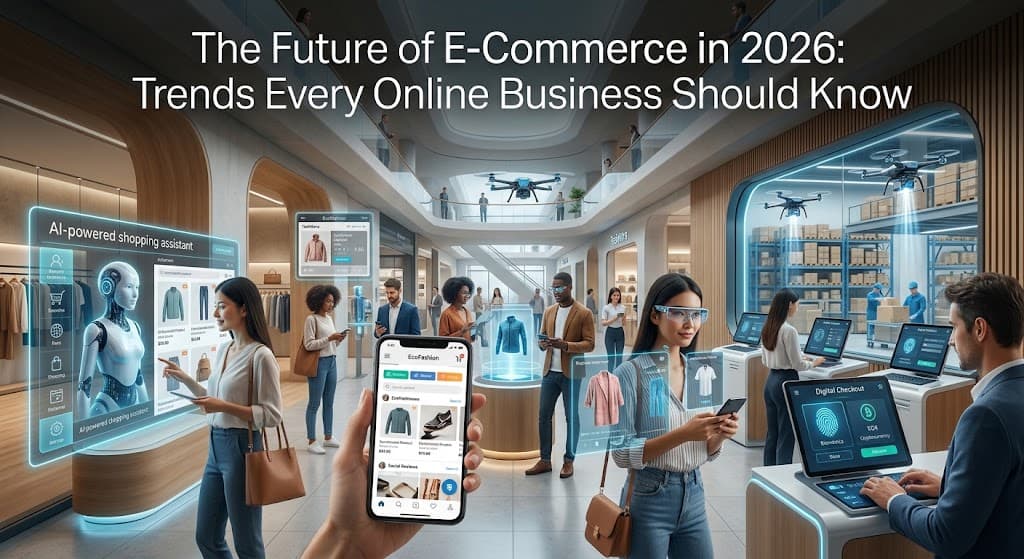
Artificial intelligence, digital booking platforms, and smart travel applications have made business trips more efficient than ever. Companies can now automate travel planning, manage expenses digitally, and organize virtual or hybrid events with ease.
Technology also helps travelers access real-time flight information, translation services, digital payment systems, and personalized travel recommendations.
Bleisure Travel Continues to Grow
One of the biggest trends in 2026 is "bleisure" travel—a combination of business and leisure. Professionals often extend their work trips to explore local destinations, experience cultural attractions, and enjoy recreational activities.
This trend benefits tourism businesses by increasing hotel stays, restaurant visits, guided tours, and local shopping.
Sustainable Business Tourism
Sustainability has become a priority for organizations worldwide. Companies are reducing their environmental impact by choosing eco-friendly hotels, using digital documents instead of paper, supporting local businesses, and selecting airlines with carbon reduction initiatives.
Many conference organizers are also adopting sustainable event practices, including waste reduction, renewable energy, and environmentally responsible catering.
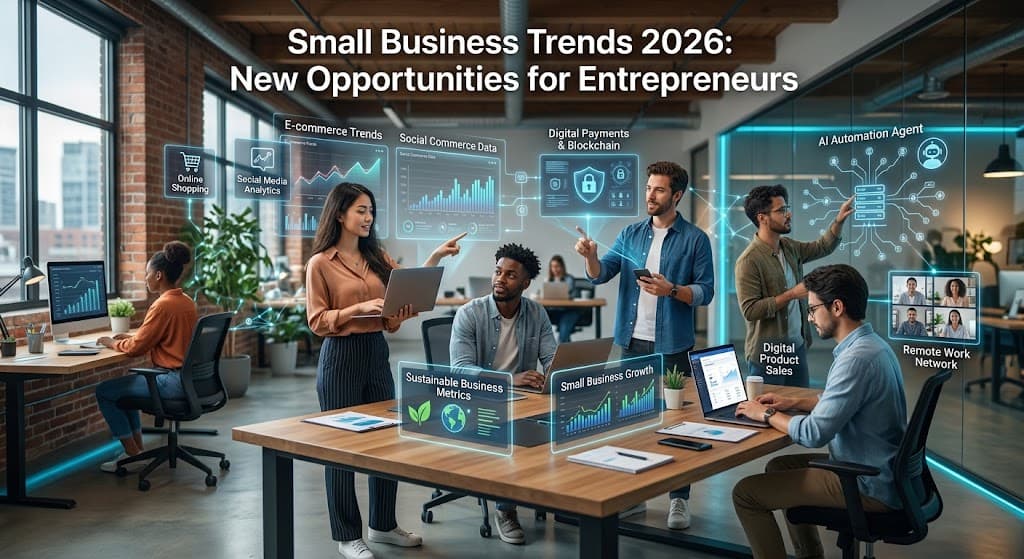
Opportunities for Small Businesses
Business tourism creates opportunities beyond large corporations. Small businesses can benefit by offering:
Professional transportation services
Local guided business tours
Event photography and videography
Translation and interpretation services
Corporate gift suppliers
Business-friendly cafés and coworking spaces
Digital marketing support for conferences
Entrepreneurs who understand the needs of business travelers can build profitable and sustainable businesses.
Emerging Destinations
While traditional business hubs remain popular, many emerging cities are investing in modern infrastructure to attract international conferences and exhibitions. Better airports, high-speed internet, modern hotels, and government support are making these destinations increasingly competitive.
This diversification helps distribute tourism revenue more evenly across different regions.
Future Outlook
Business tourism is expected to continue expanding as international trade, entrepreneurship, and innovation accelerate. Hybrid events will complement in-person meetings, while AI-powered travel services will further improve efficiency and convenience.
Organizations that embrace digital transformation, sustainability, and exceptional customer experiences will be best positioned to benefit from this growing market.
Conclusion
Business tourism is much more than corporate travel. It supports economic growth, encourages innovation, strengthens international relationships, and creates opportunities for businesses of every size. As global connectivity continues to improve, business tourism will remain a key contributor to the world's economy and an essential pillar of the modern travel industry.