
HAHow AI Is Changing Everyday Life in 2026: Smart Living Trends to Know
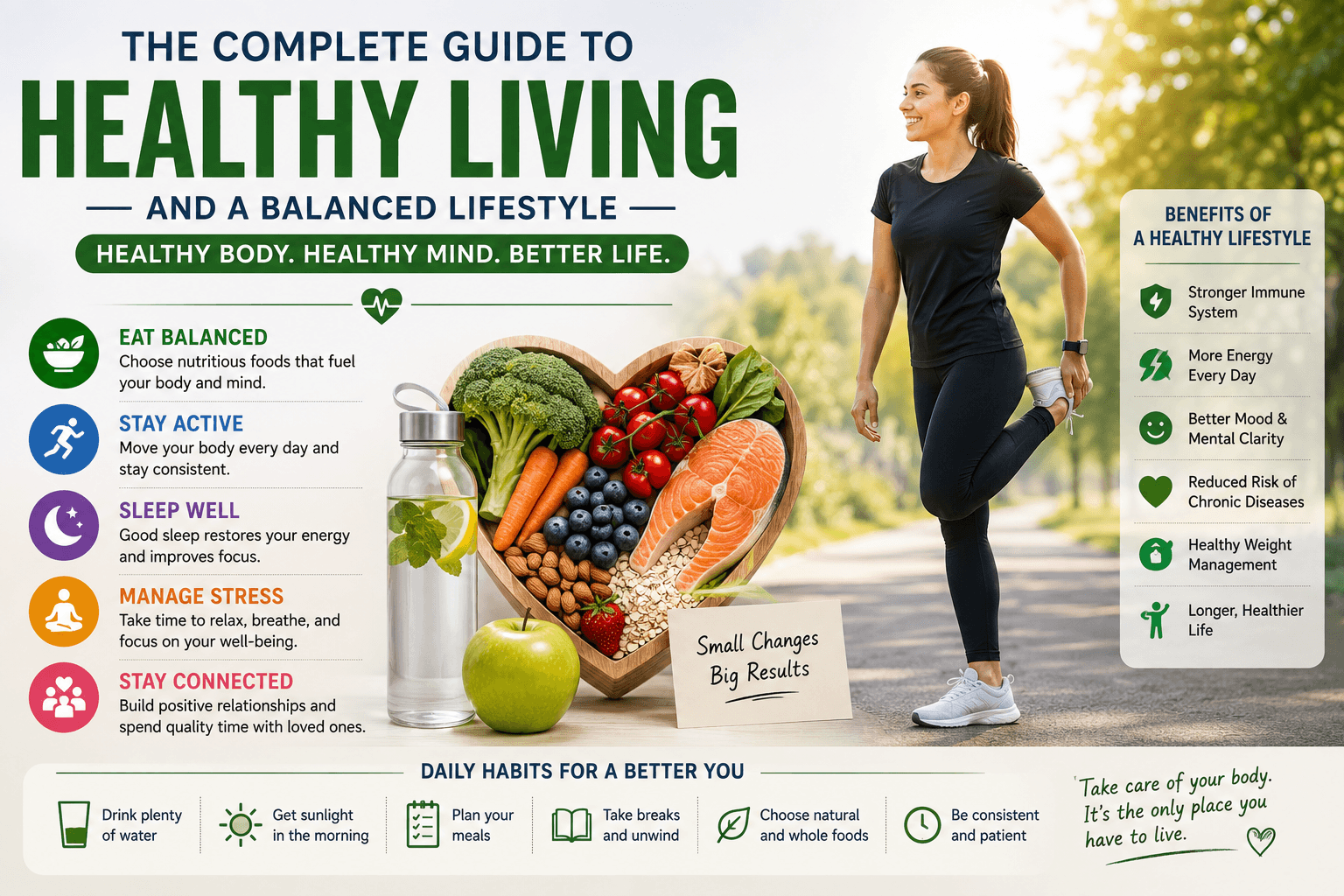
A healthy lifestyle is not about following extreme diets or making dramatic changes overnight. It is about building simple, sustainable habits that support your physical health, mental well-being, energy, and overall quality of life.
A balanced lifestyle looks different for everyone, but several basic principles can help people develop healthier routines.
Eat a Balanced Diet
Nutrition is one of the foundations of a healthy lifestyle. A balanced diet should include a variety of foods that provide essential nutrients.
Try to include:
Fruits and vegetables
Whole grains
Protein-rich foods
Healthy sources of fats
Adequate fluids
Instead of focusing on eliminating individual foods, aim for variety and moderation. Eating a diverse range of nutritious foods can make it easier to meet your body's nutritional needs.
Stay Physically Active
Regular movement is important for overall health.
Physical activity does not always have to involve an intense workout. Walking, cycling, swimming, dancing, stretching, sports, and other enjoyable activities can contribute to an active lifestyle.
The most effective exercise routine is one that you can maintain consistently.
Prioritize Quality Sleep
Sleep plays an important role in physical and mental well-being.
A consistent sleep schedule, a comfortable sleeping environment, and reducing stimulating activities before bedtime can help support better sleep habits.
Instead of sacrificing sleep to accomplish more during the day, recognize rest as an important part of maintaining energy and productivity.
Take Care of Your Mental Well-Being
A healthy lifestyle includes mental health as well as physical health.
Stress is a normal part of life, but ongoing stress can affect how you feel and function.
Helpful strategies may include:
Spending time with people you trust
Taking regular breaks
Practicing relaxation techniques
Spending time outdoors
Pursuing hobbies
Limiting unnecessary digital distractions
If stress or emotional difficulties become overwhelming or persistent, professional support can be valuable.
Drink Enough Water
Hydration supports many normal bodily functions.
Keep water available throughout the day and pay attention to your body's signals. Your fluid needs can vary depending on factors such as activity, climate, diet, and individual circumstances.
Replacing some sugary drinks with water can also be a simple way to reduce unnecessary sugar consumption.
Maintain Healthy Relationships
Social connections can contribute significantly to overall well-being.
Spending time with family, friends, colleagues, or community groups can provide emotional support and a sense of connection.
Healthy relationships involve communication, respect, trust, and appropriate boundaries.
Manage Screen Time
Technology is an important part of modern life, but excessive screen use can interfere with sleep, physical activity, concentration, and social interaction.
Consider creating periods during the day when you step away from screens, particularly before bedtime.
Using technology intentionally rather than automatically can help create a more balanced routine.
Avoid Harmful Habits
Reducing or avoiding harmful habits can have major long-term benefits.
Smoking, excessive alcohol consumption, recreational drug use, and other risky behaviors can negatively affect health.
If changing a long-standing habit feels difficult, seeking support from a qualified healthcare professional or appropriate support service can make the process easier.
Create Sustainable Habits
One of the biggest mistakes people make when trying to become healthier is attempting to change everything at once.
Instead, start with small goals.
For example, you could:
Walk more each day
Add another serving of vegetables
Establish a consistent bedtime
Drink more water
Spend less time on unnecessary social media
Take short movement breaks
Small improvements can become powerful when practiced consistently.
Make Time for Yourself
A balanced lifestyle should include time for activities you genuinely enjoy.
Reading, traveling, exercising, cooking, gardening, listening to music, spending time with loved ones, or pursuing creative interests can provide valuable opportunities to relax and recharge.
Rest and enjoyment are not wasted time. They can support a healthier and more sustainable routine.
Build a Healthy Environment
Your surroundings can influence your habits.
Keeping nutritious foods available, organizing your workspace, preparing meals in advance, and creating a comfortable sleeping environment can make healthy choices easier.
Design your environment to support the habits you want to maintain.
Avoid the Search for Perfection
Healthy living does not require perfect behavior.
There will be days when you eat something less nutritious, skip a workout, sleep poorly, or feel stressed. One difficult day does not erase your progress.
The goal is to return to healthy habits rather than giving up completely.
Conclusion
A balanced lifestyle is built through consistent, realistic habits rather than extreme changes.
Eating nutritious foods, staying active, getting adequate sleep, managing stress, maintaining relationships, drinking enough water, and making time for yourself can all contribute to better overall well-being.
The best healthy lifestyle is one that fits your individual needs and can be maintained for years. Start with small changes, be patient with yourself, and focus on progress rather than perfection.
FAQs: Healthy Living and a Balanced Lifestyle
1. What does a balanced lifestyle mean?
A balanced lifestyle means taking care of different areas of life, including physical health, mental well-being, nutrition, sleep, relationships, work, and relaxation. The goal is to create sustainable habits rather than focusing on one area while ignoring others.
2. What should I eat for a healthy lifestyle?
A generally balanced eating pattern includes a variety of fruits, vegetables, whole grains, protein sources, and healthy fats. Individual nutritional needs can differ, so people with specific health conditions or dietary requirements should consider professional guidance.
3. How much exercise should I do?
The appropriate amount of physical activity varies depending on age, health, fitness level, and individual circumstances. A combination of regular movement, aerobic activity, and strength-focused exercise can support overall fitness.
4. Why is sleep important for healthy living?
Sleep supports physical recovery, concentration, memory, mood, and normal body functions. Maintaining a consistent sleep routine can help support overall health and daytime energy.
5. How can I reduce stress naturally?
Regular physical activity, adequate sleep, relaxation exercises, time outdoors, hobbies, social connections, and taking breaks can help manage everyday stress. Persistent or severe stress may require professional support.
6. How much water should I drink every day?
Fluid requirements vary from person to person. Factors such as activity level, weather, diet, age, and health can influence how much fluid someone needs. Drinking regularly and responding to thirst are useful general habits.
7. Can walking be enough to improve my health?
Walking is an accessible form of physical activity and can contribute to cardiovascular fitness, movement, and overall activity levels. Increasing daily walking can be a practical starting point for people who are not currently very active.
8. How can I develop healthy habits?
Start with one or two realistic changes and repeat them consistently. Make your environment support the behavior, track progress if useful, and gradually introduce additional habits rather than attempting a complete lifestyle transformation overnight.
9. How does screen time affect a healthy lifestyle?
Excessive screen use may reduce physical activity, interfere with sleep, and contribute to prolonged sitting or distraction. Setting boundaries and taking regular screen-free breaks can help create a healthier balance.
10. Why are social relationships important?
Positive relationships can provide companionship, emotional support, encouragement, and a sense of belonging. Maintaining meaningful connections is an important part of overall well-being.
11. Is it necessary to follow a strict diet?
A healthy lifestyle does not necessarily require an extremely restrictive diet. A varied and balanced eating pattern that fits your nutritional needs and personal circumstances is generally more sustainable than unnecessary restrictions.
12. How can I stay healthy when I have a busy schedule?
Plan meals, schedule physical activity, protect your sleep time, take short breaks, and prioritize the habits that have the greatest impact. Even small amounts of movement and preparation can be valuable when time is limited.
13. What is the best way to start exercising?
Choose an activity you enjoy and begin at a manageable level. Walking, stretching, cycling, swimming, or beginner-friendly workouts can be good starting points. Increase intensity gradually as your fitness improves.
14. How can I maintain a healthy lifestyle while traveling?
Stay active when possible, drink enough fluids, choose balanced meals when available, maintain a reasonable sleep routine, and avoid expecting perfection. Returning to your normal routine after travel is more important than maintaining every habit perfectly.
15. Does mental health affect physical health?
Mental and physical well-being are closely connected. Stress, poor sleep, and emotional difficulties can influence energy, behavior, and daily functioning. Taking care of both mental and physical health is therefore important.
16. How can I avoid unhealthy habits?
Identify situations that trigger unhealthy behaviors and replace them with healthier alternatives. Making changes gradually and seeking support from trusted people or qualified professionals can make difficult habit changes more manageable.
17. Is it okay to have unhealthy food sometimes?
A balanced lifestyle can include occasional treats. What matters is the overall pattern of your eating habits rather than one individual meal or snack. Moderation can make healthy eating more sustainable.
18. How long does it take to develop healthy habits?
There is no universal timeline. Some habits become easier quickly, while others require longer periods of repetition. Consistency and realistic expectations are generally more important than trying to reach a specific deadline.
19. What is the biggest mistake people make when trying to live healthier?
Trying to change everything immediately can make a new routine difficult to maintain. Setting unrealistic goals can also lead to frustration. Starting with small, achievable improvements can provide a more sustainable path.
20. What is the most important part of a healthy lifestyle?
Consistency is one of the most important factors. Eating well, staying active, sleeping adequately, managing stress, and maintaining supportive relationships on a regular basis can contribute to long-term well-being.