
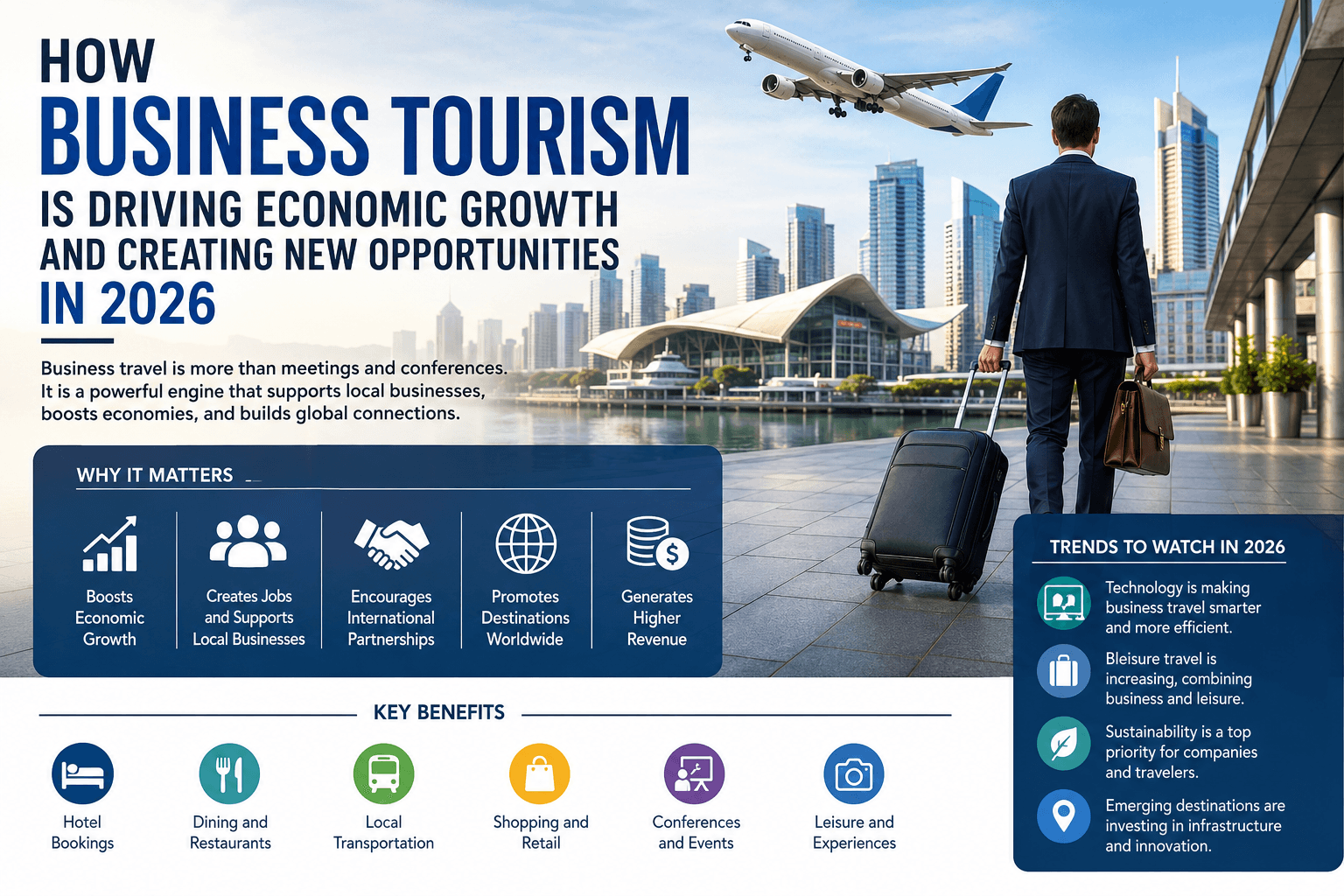

The global tourism industry is entering a new era where sustainability, innovation, and responsible travel are shaping the future of business. Travelers today are no longer focused solely on visiting famous landmarks or luxury destinations. Increasingly, they want meaningful experiences that support local communities, protect natural environments, and contribute positively to the places they visit.
This shift has created exciting opportunities for entrepreneurs, investors, hospitality companies, and tourism-related businesses. Sustainable tourism has become one of the fastest-growing sectors in the travel economy, offering long-term growth while promoting environmental and social responsibility.
In 2026, businesses that embrace sustainable tourism are finding new ways to attract travelers, improve their reputation, and generate lasting economic value.
What Is Sustainable Tourism?
Sustainable tourism refers to travel that considers its environmental, social, and economic impacts while creating positive benefits for local communities and future generations.
Rather than focusing only on visitor numbers, sustainable tourism encourages responsible development by protecting natural resources, preserving cultural heritage, and supporting local businesses.
Examples include:
Eco-friendly hotels
Community-based tourism
Nature conservation projects
Cultural heritage experiences
Responsible wildlife tourism
Low-carbon transportation
Local food and craft businesses
The goal is to ensure tourism continues benefiting destinations without damaging the resources that make them attractive.
Why Sustainability Matters to Modern Travelers
Consumer preferences have changed significantly over the past decade.
Many travelers now research destinations and accommodation providers before booking to understand their sustainability efforts.
Visitors increasingly value businesses that:
Reduce plastic waste
Support local communities
Protect wildlife
Use renewable energy
Source local products
Respect cultural traditions
Minimize environmental impact
Companies that demonstrate authentic environmental responsibility often gain stronger customer loyalty and positive online reviews.
Economic Benefits for Local Communities
One of the greatest strengths of sustainable tourism is its ability to distribute economic benefits across local communities.
Instead of concentrating tourism revenue within large international corporations, sustainable tourism encourages spending on local businesses, including:
Family-owned hotels
Restaurants
Transportation providers
Local guides
Farmers
Handicraft producers
Cultural performers
This creates employment opportunities while helping preserve regional traditions and skills.
A stronger local economy also encourages infrastructure development and improves living standards.
New Business Opportunities
Sustainability has created entirely new business sectors within tourism.
Entrepreneurs are launching innovative businesses such as:
Eco-lodges
Sustainable tour companies
Electric vehicle rentals
Green travel consulting
Eco-certified accommodations
Adventure tourism operators
Digital travel planning platforms
Technology has made it easier for these businesses to reach international customers through online booking systems and digital marketing.
Technology Supports Sustainable Travel
Digital innovation continues transforming tourism.
Businesses now use technology to improve efficiency while reducing environmental impact.
Examples include:
Mobile booking applications
Contactless hotel check-in
Digital travel documents
AI-powered travel recommendations
Smart energy management systems
Online customer support
Virtual destination previews
These technologies improve customer experiences while supporting responsible resource management.
The Growing Importance of Eco-Friendly Hotels
Accommodation providers play a major role in sustainable tourism.
Modern travelers increasingly prefer hotels that demonstrate environmental responsibility.
Common sustainability initiatives include:
Solar energy systems
Water conservation
Waste recycling
Energy-efficient lighting
Local food sourcing
Plastic reduction programs
Green building designs
These investments often reduce operating costs while strengthening brand reputation.
Supporting Cultural Heritage
Tourism is not only about natural attractions—it also helps preserve cultural identity.
Responsible tourism encourages visitors to experience:
Traditional festivals
Local cuisine
Historical landmarks
Museums
Indigenous crafts
Cultural performances
Supporting these activities creates income for local communities while protecting traditions for future generations.
Investment Opportunities Continue to Grow
Governments and private investors increasingly recognize sustainable tourism as a long-term economic opportunity.
Investment areas include:
Eco-resorts
Smart tourism infrastructure
National parks
Transportation systems
Renewable energy projects
Digital tourism platforms
Conference facilities
These investments attract international visitors while supporting regional economic development.
Marketing Sustainable Tourism
Businesses must communicate sustainability honestly.
Travelers appreciate transparency regarding environmental initiatives and community involvement.
Effective marketing strategies include:
Publishing sustainability reports
Sharing local community partnerships
Highlighting eco-certifications
Creating educational content
Using authentic photography
Encouraging customer reviews
Authenticity builds trust far more effectively than exaggerated environmental claims.
Challenges Facing Sustainable Tourism
Although sustainable tourism continues growing, businesses still face important challenges.
These include:
Higher initial investment costs
Climate change impacts
Overtourism
Infrastructure limitations
Workforce training
Regulatory compliance
Organizations that plan carefully and invest strategically are better positioned to overcome these challenges.
The Future of Sustainable Tourism
The future of tourism will be shaped by innovation, environmental responsibility, and customer expectations.
Emerging trends include:
Artificial intelligence for travel planning
Smart destination management
Carbon-neutral travel initiatives
Sustainable aviation technologies
Eco-friendly transportation
Digital visitor management
Responsible luxury tourism
Businesses that embrace these trends today will gain a competitive advantage in tomorrow's travel economy.
Conclusion
Sustainable tourism represents far more than an environmental movement. It is a powerful business opportunity that supports economic growth, protects natural resources, preserves cultural heritage, and creates meaningful experiences for travelers.
Companies that invest in responsible tourism practices are building stronger brands while contributing positively to society and the environment.
As the global tourism industry continues evolving throughout 2026, sustainable business models will become increasingly important for attracting customers, encouraging investment, and supporting long-term growth.
For entrepreneurs, investors, governments, and tourism professionals alike, sustainable tourism offers a pathway toward a more resilient, profitable, and responsible future—one where business success and environmental stewardship go hand in hand.