
Top 10 AI Tools Everyone Is Using in 2026
R
Artificial intelligence continues to transform how people work, learn, create, and communicate. Once limited to specialized industries, AI tools are now widely used by students, professionals, businesses, researchers, and content creators around the world. As AI technology becomes more accessible, a growing number of platforms are helping users automate repetitive tasks, improve productivity, generate creative content, and analyze information more efficiently.
The rapid adoption of AI has led to significant changes across industries, including education, healthcare, marketing, software development, customer service, and media production. While new tools emerge regularly, several categories of AI applications have become particularly popular due to their versatility and ease of use.
Below are ten types of AI tools that are seeing widespread adoption and influencing how people interact with technology in 2026.
1. Conversational AI Assistants
Conversational AI assistants have become one of the most commonly used forms of artificial intelligence. These tools can answer questions, summarize information, assist with writing tasks, provide explanations, and help users solve problems across a wide range of topics.
Businesses use conversational AI to improve customer support, while individuals rely on these systems for research, brainstorming, learning, and everyday productivity. The ability to understand natural language has made AI assistants accessible to users with varying levels of technical expertise.
As language models continue to improve, conversational AI is becoming a standard component of digital workflows.
2. AI Writing and Content Creation Tools
AI-powered writing platforms have become valuable resources for marketers, students, journalists, and business professionals. These tools help generate articles, reports, product descriptions, social media posts, and email drafts.
Rather than replacing human creativity, many users employ AI writing tools to speed up research, overcome writer's block, and improve editing efficiency. Content creators increasingly use AI to assist with outlining, grammar correction, and content optimization.
The growing demand for digital content has contributed significantly to the popularity of these tools.
3. AI Image Generation Platforms
Image generation technology has experienced remarkable growth in recent years. AI image tools can create illustrations, digital artwork, concept designs, and visual content from text descriptions.
Designers, marketers, educators, and social media creators frequently use these platforms to generate visual assets quickly. The technology has expanded creative possibilities while reducing the time required for certain design tasks.
As image quality continues to improve, AI-generated visuals are becoming increasingly common in presentations, advertising campaigns, educational materials, and online content.
4. AI Video Creation and Editing Tools
Video remains one of the most influential forms of digital communication, and AI tools are helping simplify the production process. AI-powered video platforms can assist with editing, caption generation, scene creation, voiceovers, and visual effects.
Organizations use these tools to produce training materials, promotional videos, educational content, and social media clips more efficiently. Content creators benefit from automated editing features that reduce production time while maintaining professional quality.
The rise of short-form video content has further accelerated adoption of AI-assisted video technologies.
5. AI-Powered Search and Research Tools
Traditional search methods are evolving as AI-enhanced research platforms become more capable of understanding user intent and providing organized information.
Researchers, students, analysts, and professionals use AI search tools to summarize complex topics, identify key insights, compare sources, and gather information quickly. These systems help users navigate large amounts of data while reducing the time spent reviewing documents.
As information continues to grow at an unprecedented rate, AI research tools are becoming essential for efficient knowledge discovery.
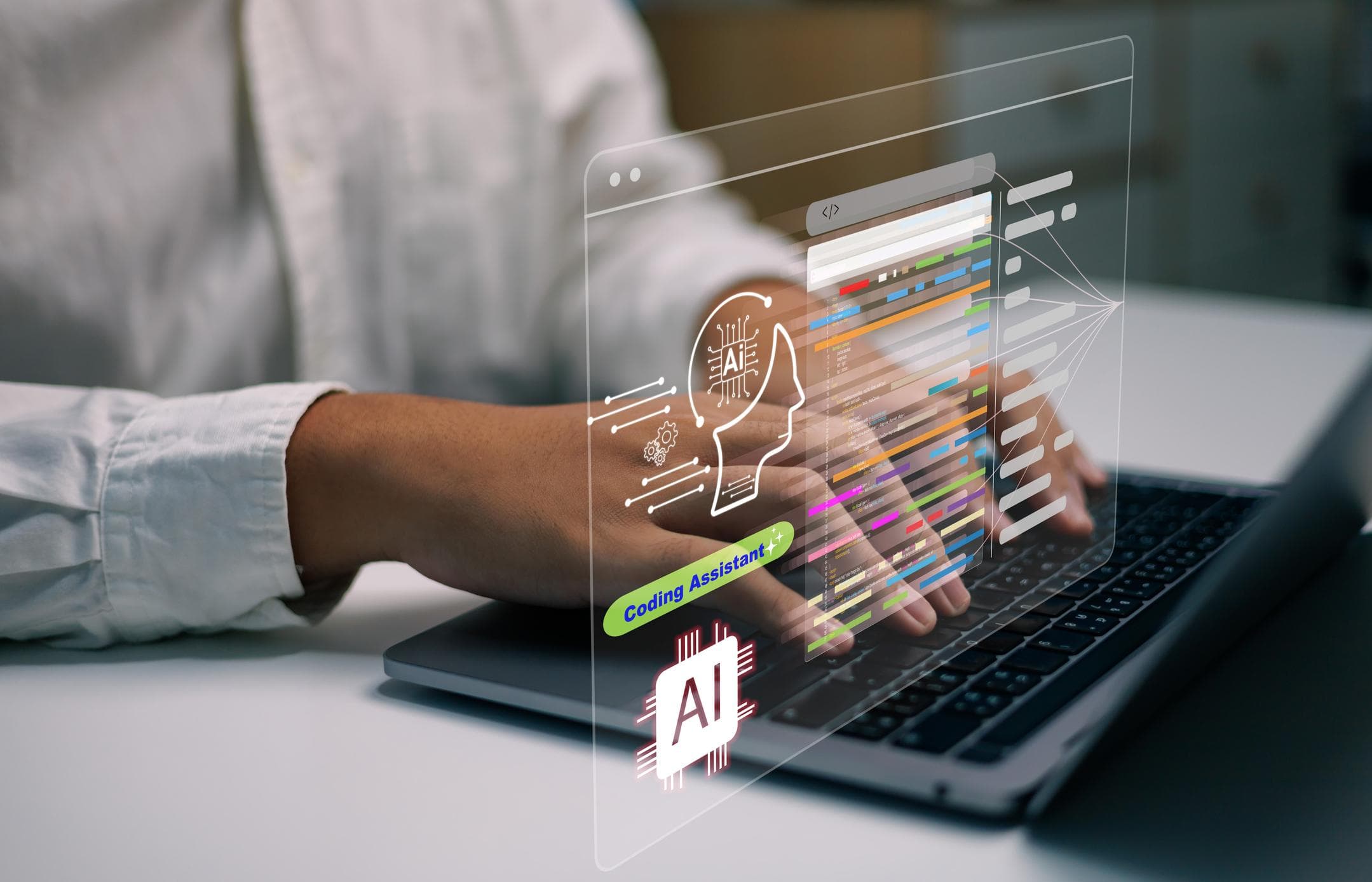
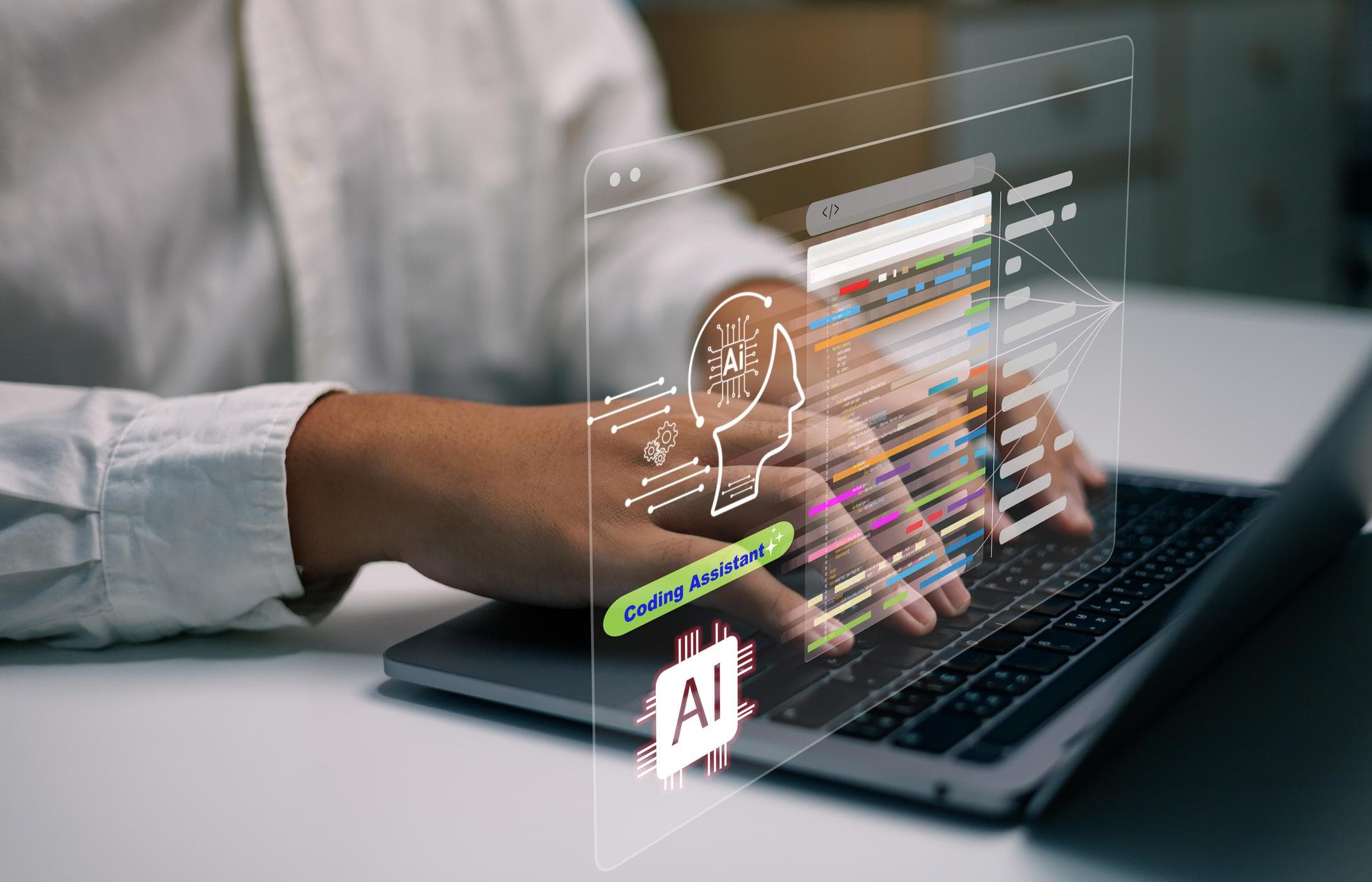
6. AI Coding and Development Assistants
Software development has been significantly influenced by AI-powered coding assistants. These tools can suggest code, identify errors, explain programming concepts, and help developers improve productivity.
Programmers use AI assistance for debugging, documentation, code completion, and learning new programming languages. Even individuals with limited coding experience can use these platforms to better understand software development concepts.
The technology is helping streamline routine development tasks while allowing engineers to focus on more complex problem-solving activities.
7. AI Productivity and Workflow Automation Tools
Productivity-focused AI solutions are helping organizations automate repetitive tasks and optimize business operations. These tools assist with scheduling, document management, meeting summaries, workflow coordination, and task prioritization.
Businesses are increasingly integrating AI automation into daily operations to improve efficiency and reduce manual workloads. Employees benefit from tools that handle administrative tasks, enabling them to focus on higher-value responsibilities.
Workflow automation remains one of the fastest-growing applications of artificial intelligence in the workplace.
8. AI Translation and Communication Tools
Global communication has become easier through AI-powered translation and language assistance platforms. These tools can translate text, generate subtitles, facilitate multilingual conversations, and improve communication across language barriers.
International businesses, educational institutions, and travelers frequently use AI translation technologies to support collaboration and information sharing. Improvements in language processing have increased translation accuracy and accessibility.
As global connectivity expands, AI communication tools continue to play an important role in cross-cultural interaction.
9. AI Design and Creative Assistance Platforms
Creative professionals are increasingly using AI tools to support design projects, branding efforts, presentations, and visual storytelling. AI-powered design platforms can generate layouts, recommend visual elements, suggest color combinations, and assist with creative ideation.
These tools help both experienced designers and beginners create professional-looking materials more efficiently. While human creativity remains central to the design process, AI serves as a valuable collaborative resource.
The integration of AI into creative workflows is reshaping how visual content is developed and refined.
10. AI Data Analysis and Business Intelligence Tools
Organizations generate vast amounts of data every day, creating demand for AI systems that can identify trends, generate insights, and support decision-making.
AI analytics platforms help businesses interpret complex datasets, forecast outcomes, monitor performance, and uncover patterns that might otherwise go unnoticed. Industries such as finance, healthcare, retail, and manufacturing increasingly rely on AI-driven analysis to improve operational efficiency.
As data volumes continue to expand, intelligent analytics solutions are becoming critical tools for organizations seeking competitive advantages.
Growing Adoption Across Industries
The widespread adoption of AI tools reflects a broader shift toward digital transformation. Educational institutions are incorporating AI into learning environments, businesses are integrating AI into operational processes, and creators are using AI to enhance content production.
Industry experts note that AI's value often lies not in replacing human expertise but in augmenting it. By automating routine tasks and accelerating information processing, AI enables individuals and organizations to allocate more time to strategic thinking, innovation, and problem-solving.
At the same time, discussions surrounding responsible AI use, transparency, privacy, and ethical considerations remain important as adoption continues to expand.
Looking Ahead
The AI landscape is expected to evolve rapidly throughout 2026 and beyond. Emerging advancements in language understanding, computer vision, automation, and multimodal systems are likely to introduce new capabilities that further integrate artificial intelligence into everyday activities.
While the specific tools may change over time, the broader trend remains clear: AI is becoming an increasingly important part of how people work, communicate, create, and access information.
As technology continues to mature, organizations and individuals who understand how to effectively utilize AI tools may be better positioned to adapt to changing digital environments and take advantage of new opportunities in an increasingly connected world.
| Category | Details |
|---|---|
| Topic | Business |
| Author | Rose |
| Published | 18/06/2026 |
| Read Time | Not set |
R