Adventure Tourism Growth: How Tour Operators Are Meeting Rising Demand for Active Travel
R

Adventure tourism has become one of the fastest-growing segments of the global travel industry. As travelers increasingly seek unique experiences, outdoor activities, and meaningful connections with nature and local cultures, adventure travel continues to attract visitors from around the world. From mountain trekking and wildlife safaris to scuba diving and multi-day expeditions, adventure tourism offers opportunities that go beyond traditional sightseeing.
The growth of this sector has created new opportunities for tour operators, who play a critical role in designing, managing, and delivering safe and memorable experiences. As traveler preferences evolve, tour operators are adapting their services to meet growing demand while emphasizing sustainability, safety, and responsible tourism practices.
Understanding Adventure Tourism
Adventure tourism generally involves travel that includes physical activity, exploration of natural environments, or cultural immersion. The level of adventure can vary significantly, ranging from relatively accessible outdoor experiences to more challenging expeditions.
Common adventure tourism activities include:
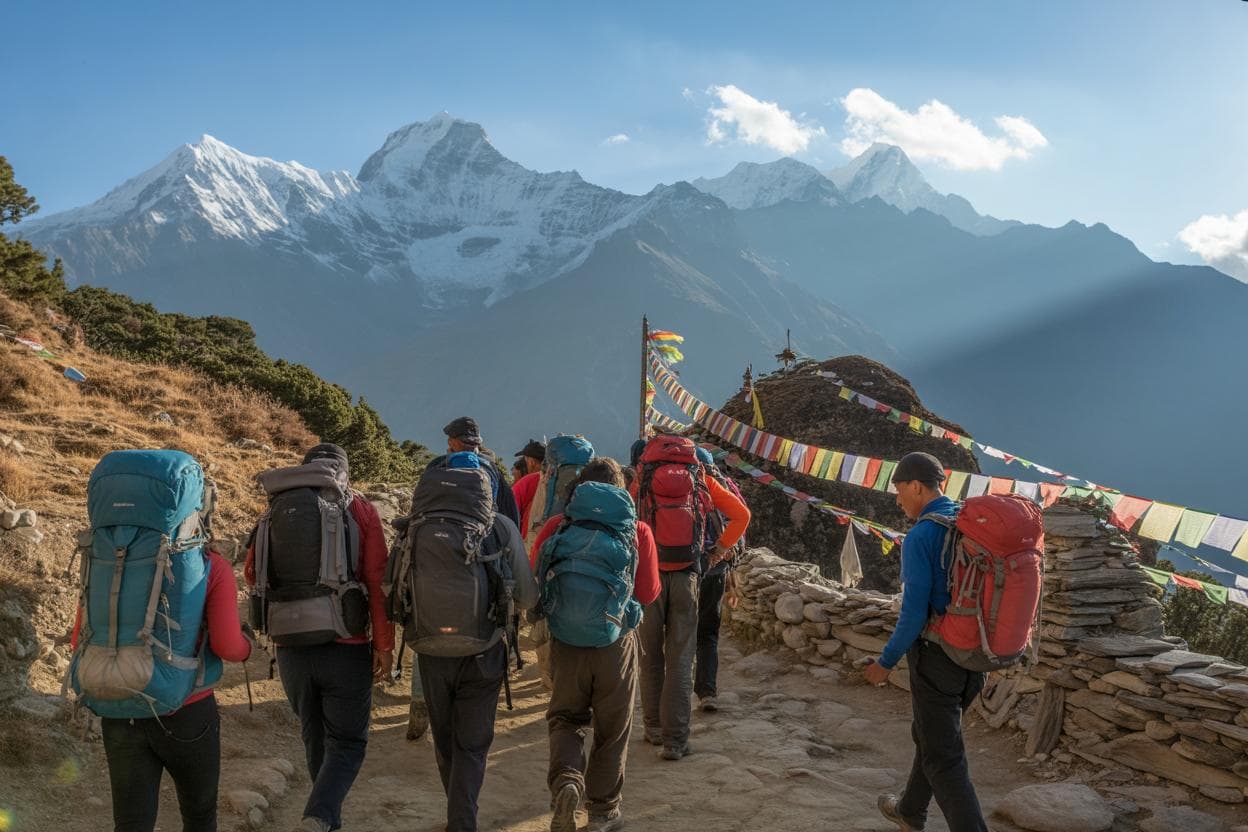
Hiking and trekking
Mountain climbing
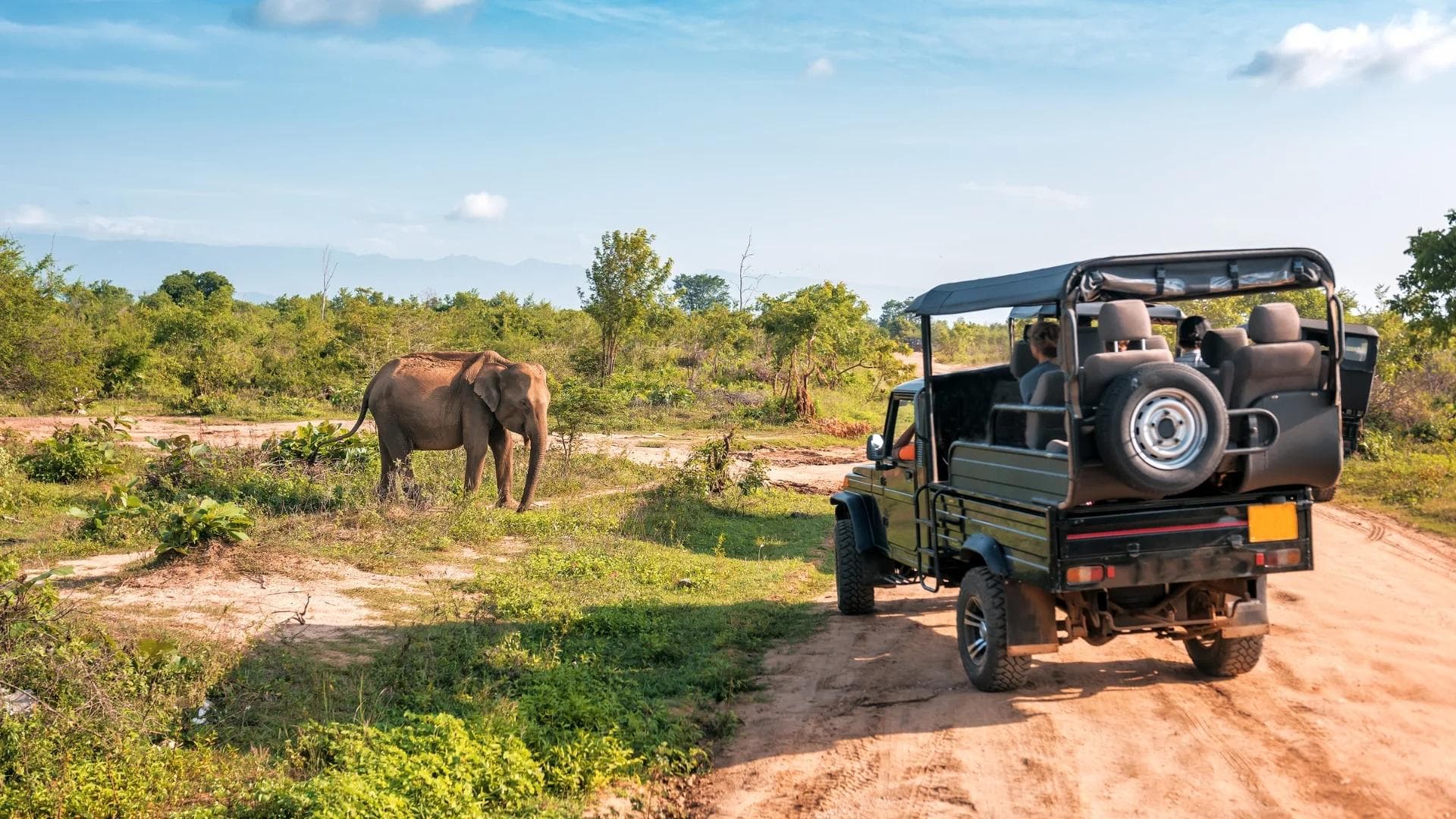
Wildlife safaris
Scuba diving and snorkeling
Cycling tours
Kayaking and rafting
Desert expeditions
Skiing and snowboarding
Zip-lining and canopy tours
Cultural and community-based experiences
Many travelers are attracted to adventure tourism because it combines recreation, learning, and personal achievement.
Why Adventure Tourism Is Growing
Several factors have contributed to the increasing popularity of adventure travel.
Demand for Authentic Experiences
Modern travelers often prioritize experiences over material possessions. Rather than visiting only famous landmarks, many people want to engage directly with destinations, local communities, and natural environments.
Adventure travel provides opportunities to experience destinations in a more active and immersive way, making trips more memorable and meaningful.
Increased Interest in Outdoor Activities
Growing awareness of health and wellness has encouraged more travelers to participate in outdoor recreation. Activities such as hiking, cycling, and nature exploration allow travelers to remain active while discovering new destinations.
The appeal of outdoor experiences has expanded across multiple age groups, from young adventure seekers to older travelers pursuing active lifestyles.
Social Media Influence
Digital platforms have played a significant role in promoting adventure tourism. Photos and videos of mountain landscapes, wildlife encounters, and outdoor expeditions inspire travelers to explore destinations they may not have previously considered.
This increased visibility has helped lesser-known destinations attract international visitors and encouraged travelers to seek unique experiences.
The Role of Tour Operators
Tour operators are central to the success of adventure tourism. They help travelers access activities, destinations, and experiences that may be difficult to organize independently.
Their responsibilities often include:
Planning itineraries
Arranging transportation
Coordinating accommodations
Providing trained guides
Managing safety procedures
Securing permits and local approvals
Offering equipment and logistical support
For many travelers, especially those visiting unfamiliar regions, tour operators provide valuable expertise and peace of mind.
Safety Remains a Top Priority
Adventure tourism often involves activities in remote or physically demanding environments. As a result, safety remains one of the most important responsibilities for tour operators.
Professional operators invest in guide training, emergency response procedures, risk assessments, and equipment maintenance. Many also provide detailed briefings to help participants understand activity requirements and safety guidelines.
Effective safety management not only protects travelers but also helps maintain the reputation and long-term sustainability of adventure destinations.
Sustainable Adventure Tourism
As adventure tourism grows, concerns about environmental impact have become increasingly important. Many destinations rely on natural landscapes and ecosystems that require protection.
Responsible tour operators are adopting practices such as:
Limiting group sizes
Reducing waste generation
Supporting conservation initiatives
Promoting Leave No Trace principles
Partnering with local communities
Encouraging responsible wildlife viewing
These efforts help ensure that tourism activities do not damage the environments that attract visitors.
Community Involvement Creates Economic Benefits
Adventure tourism often takes place in rural and remote areas where economic opportunities may be limited. Tour operators can contribute significantly to local development by hiring local guides, purchasing local goods and services, and supporting community-based tourism initiatives.
This approach helps distribute tourism revenue more broadly while providing visitors with authentic cultural experiences. Local participation also strengthens destination management and encourages preservation of cultural traditions.
Many travelers increasingly value tourism experiences that generate positive benefits for host communities.
Technology Is Transforming Adventure Travel
Technology is changing how tour operators plan and deliver experiences. Online booking systems, mobile applications, GPS navigation, digital permits, and communication tools have improved efficiency and accessibility.
Travelers can now research destinations, compare activities, and book adventures more easily than ever before. Operators use digital platforms to provide trip information, safety updates, and customer support before and during journeys.
Technology also helps improve risk management through weather monitoring, route planning, and emergency communication systems.
Emerging Adventure Destinations
While established destinations remain popular, many travelers are exploring emerging adventure tourism markets. Countries with diverse landscapes, unique ecosystems, and improving tourism infrastructure are attracting growing interest.
Mountain regions, coastal environments, deserts, rainforests, and protected natural areas are particularly appealing to adventure travelers. Improved transportation networks and tourism development initiatives are helping make these destinations more accessible.
As interest grows, tour operators are expanding their offerings to include new locations and specialized experiences.
Specialized Adventure Experiences
Adventure tourism is becoming increasingly diverse. Tour operators now offer specialized experiences designed for different interests, fitness levels, and travel preferences.
Popular niche segments include:
Wildlife photography tours
Cycling expeditions
Wellness and hiking retreats
Marine adventure programs
Family adventure vacations
Cultural exploration journeys
Multi-sport experiences
This diversification allows operators to serve a wider range of travelers while creating more personalized experiences.
Challenges Facing Tour Operators
Despite strong growth, tour operators face several challenges. Environmental changes, extreme weather events, regulatory requirements, and increasing competition require ongoing adaptation.
Operators must also balance visitor demand with conservation goals. Popular adventure destinations can face overcrowding and environmental pressure if growth is not carefully managed.
Maintaining high safety standards while delivering memorable experiences remains essential for long-term success.
The Future of Adventure Tourism
Industry observers expect adventure tourism to continue growing as travelers seek active, experience-driven journeys. Sustainability, technology, and personalized travel experiences are likely to remain key trends shaping the sector.
Tour operators will continue investing in guide training, environmental stewardship, and innovative travel products that appeal to evolving consumer preferences. Destinations that successfully balance tourism growth with conservation and community benefits are expected to attract increasing interest.
Adventure tourism's ability to combine exploration, learning, and personal achievement positions it as an important part of the future travel landscape.
Conclusion
Adventure tourism has evolved from a niche market into a significant segment of the global travel industry. Travelers are increasingly seeking experiences that provide excitement, cultural engagement, and connections with nature.
Tour operators play a vital role in making these experiences accessible, safe, and sustainable. Through professional planning, responsible management, and community partnerships, they help create meaningful travel opportunities while supporting local economies and environmental conservation.
As demand for active and authentic travel experiences continues to rise, adventure tourism is expected to remain a dynamic and influential force within the broader tourism sector.
| Category | Details |
|---|---|
| Topic | Travel Agents |
| Author | Rose |
| Published | 17/06/2026 |
| Read Time | Not set |
R