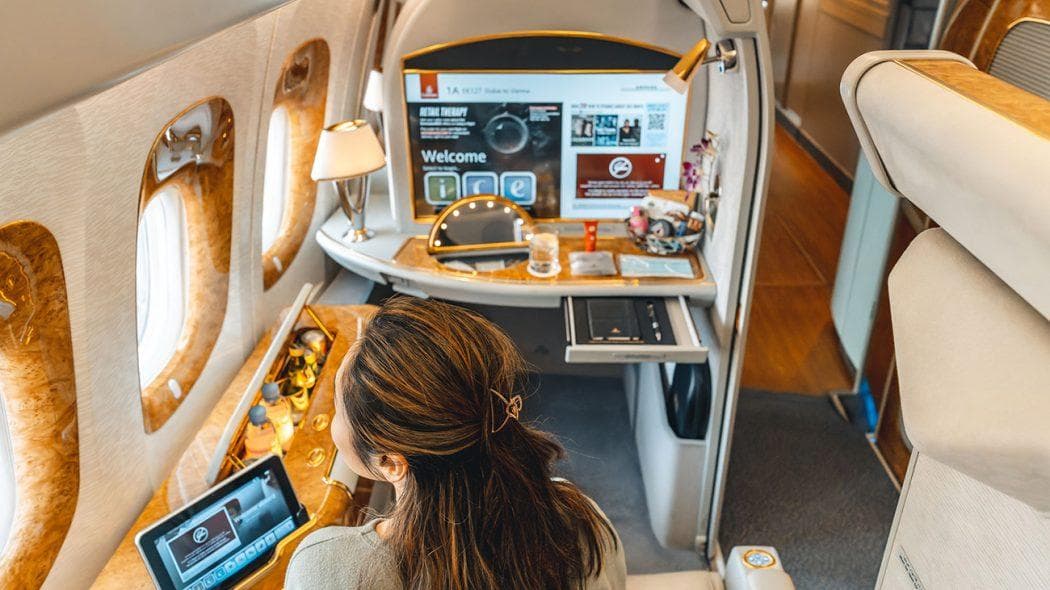

How Technology Is Transforming the Tourism Industry
R

Technology has become one of the most influential forces shaping the global tourism industry. From the way travelers research destinations and book trips to how businesses manage operations and deliver services, digital innovation continues to redefine the travel experience. As technology advances, tourism stakeholders are adopting new tools and platforms that improve convenience, efficiency, personalization, and accessibility for travelers worldwide.
The tourism sector has historically adapted to changing consumer behaviors and technological developments. Today, technologies such as artificial intelligence, mobile applications, cloud computing, digital payments, virtual reality, and data analytics are transforming how people plan, experience, and share their journeys. These innovations are creating opportunities for tourism businesses while helping travelers make more informed decisions.
The Digital Transformation of Travel Planning
One of the most noticeable changes in tourism has been the shift from traditional travel planning methods to digital platforms. Travelers can now access extensive information about destinations, accommodations, transportation, attractions, and local experiences within minutes.
Online travel platforms allow users to compare prices, read reviews, view photographs, and make reservations without visiting a travel agency. This accessibility has increased transparency and enabled travelers to customize trips according to their preferences and budgets.
Travel blogs, destination websites, video content, and social media platforms also play an important role in inspiring travel decisions. Potential visitors can explore destinations virtually before making bookings, reducing uncertainty and improving trip planning.
Mobile Technology Enhances Convenience
Smartphones have become essential travel companions. Mobile technology allows travelers to access maps, booking confirmations, boarding passes, weather updates, translation tools, and destination information directly from their devices.
Many tourism businesses now offer dedicated mobile applications that simplify customer interactions. Hotels provide digital check-in services, airlines offer mobile boarding passes, and attractions use apps to share information and improve visitor experiences.
Navigation applications have also transformed independent travel by helping visitors find routes, locate attractions, and explore unfamiliar destinations more confidently.
As mobile technology continues to evolve, travelers increasingly expect seamless digital experiences throughout their journeys.
Artificial Intelligence in Tourism
Artificial intelligence (AI) is becoming an important component of the tourism industry. Travel companies use AI-powered systems to improve customer service, streamline operations, and provide personalized recommendations.
Chatbots and virtual assistants can answer customer questions, assist with bookings, and provide travel information at any time of day. These tools help businesses respond more efficiently to customer inquiries while improving user experiences.
AI algorithms can also analyze traveler preferences and behavior patterns to suggest destinations, accommodations, activities, and travel packages that align with individual interests.
For tourism businesses, AI supports decision-making by helping forecast demand, optimize pricing strategies, and improve resource allocation.
Online Booking Systems Revolutionize Travel
The widespread adoption of online booking systems has significantly transformed tourism operations. Travelers can reserve flights, hotels, transportation services, guided tours, and event tickets through digital platforms in real time.
Online booking technology offers several benefits, including convenience, instant confirmation, and access to a broader range of travel options. Businesses also benefit from improved inventory management and direct customer engagement.
The ability to make reservations from virtually anywhere has contributed to the growth of both domestic and international tourism markets.
Cloud Computing Supports Tourism Businesses
Cloud computing has become a valuable tool for tourism organizations. Hotels, airlines, tour operators, and travel agencies use cloud-based systems to manage reservations, customer data, financial records, and operational processes.
Cloud technology improves collaboration, enhances data security, and provides businesses with greater flexibility. Employees can access information remotely, allowing organizations to respond quickly to changing conditions and customer needs.
For tourism businesses operating across multiple locations, cloud computing supports efficient communication and centralized management.
Digital Payments Simplify Transactions
Digital payment technologies have changed how travelers make purchases during trips. Mobile wallets, contactless payment systems, online banking platforms, and digital transaction services provide convenient alternatives to cash payments.
Many travelers prefer digital payment methods because they offer speed, security, and ease of use. Tourism businesses benefit by reducing transaction times and improving customer satisfaction.
The growing acceptance of digital payments has also supported tourism development in destinations seeking to modernize visitor services and attract international travelers.
Virtual Reality and Augmented Reality in Tourism
Virtual reality (VR) and augmented reality (AR) are creating new opportunities within the tourism sector. These technologies allow travelers to explore destinations and attractions before making travel decisions.
Virtual reality experiences can showcase landmarks, museums, hotels, and natural attractions through immersive digital environments. Potential visitors gain a better understanding of destinations before committing to travel plans.
Augmented reality enhances on-site experiences by overlaying digital information onto physical environments. Visitors can access historical details, navigation assistance, and interactive content through smartphones or specialized devices.
Museums, heritage sites, and tourism attractions increasingly use AR technology to improve visitor engagement and education.
Data Analytics Improves Decision-Making
Data analytics has become a critical resource for tourism businesses and destination managers. By analyzing traveler behavior, booking patterns, customer feedback, and market trends, organizations can make more informed decisions.
Tourism authorities use data to understand visitor demographics, measure tourism performance, and develop targeted marketing strategies. Businesses analyze customer preferences to improve products, services, and promotional efforts.
Accurate data helps stakeholders identify emerging trends and adapt to changing market conditions more effectively.
Smart Tourism Destinations
The concept of smart tourism destinations is gaining attention worldwide. Smart destinations use technology to improve visitor experiences, optimize resource management, and enhance sustainability.
Examples include intelligent transportation systems, digital information kiosks, real-time crowd monitoring, and smart infrastructure solutions. These technologies help visitors navigate destinations more efficiently while supporting better management of tourism resources.
Smart tourism initiatives often aim to balance visitor satisfaction with environmental and community considerations.
Technology and Sustainable Tourism
Technology is playing an increasingly important role in promoting sustainable tourism practices. Digital tools help businesses monitor resource consumption, reduce waste, and improve operational efficiency.
Online ticketing systems can reduce paper usage, while smart energy management systems help hotels conserve electricity and water. Data analytics can support destination planning by identifying areas vulnerable to overcrowding or environmental pressure.
Technology also facilitates environmental education by providing travelers with information about conservation efforts and responsible tourism practices.
As sustainability becomes a priority for travelers and policymakers, technological solutions are expected to support long-term tourism development goals.
Social Media's Influence on Tourism
Social media platforms have become powerful drivers of tourism demand. Travelers frequently share experiences through photos, videos, reviews, and travel stories, influencing the decisions of potential visitors.
Destinations can reach global audiences through digital marketing campaigns and user-generated content. Tourism businesses use social media to engage customers, promote services, and strengthen brand visibility.
While social media offers significant marketing opportunities, it also presents challenges related to managing visitor expectations and addressing the impacts of rapidly increasing destination popularity.
Challenges of Technological Transformation
Despite its benefits, technological transformation also presents challenges for the tourism industry. Data privacy concerns, cybersecurity risks, digital inequality, and technology adoption costs require careful management.
Businesses must invest in employee training and system maintenance to ensure effective implementation of digital solutions. Smaller tourism operators may face difficulties accessing advanced technologies due to financial or technical constraints.
Balancing technological innovation with personal service remains important, particularly in sectors where human interaction contributes significantly to customer satisfaction.
The Future of Technology in Tourism
The future of tourism will likely involve continued integration of emerging technologies. Artificial intelligence, automation, smart infrastructure, advanced analytics, and immersive digital experiences are expected to become increasingly common.
Travelers will continue to benefit from greater convenience, personalization, and access to information. Tourism businesses will have new opportunities to improve efficiency and respond to changing customer expectations.
At the same time, industry stakeholders will need to ensure that technological advancement supports sustainability, accessibility, and responsible tourism development.
Conclusion
Technology has fundamentally transformed the tourism industry, influencing how travelers plan, book, experience, and share their journeys. From artificial intelligence and mobile applications to virtual reality and digital payments, innovation continues to reshape tourism at every level.
As technological capabilities expand, tourism businesses and destinations have opportunities to enhance visitor experiences, improve operational efficiency, and support sustainable growth. The ongoing digital transformation of tourism reflects broader changes in consumer behavior and highlights the industry's commitment to adapting to an increasingly connected world.
In 2026 and beyond, technology will remain a key driver of tourism development, helping create more accessible, personalized, and efficient travel experiences for millions of people worldwide.
| Category | Details |
|---|---|
| Topic | Tourism |
| Author | Rose |
| Published | 17/06/2026 |
| Read Time | Not set |
R