Most In-Demand Skills Employers Are Seeking This Year
R
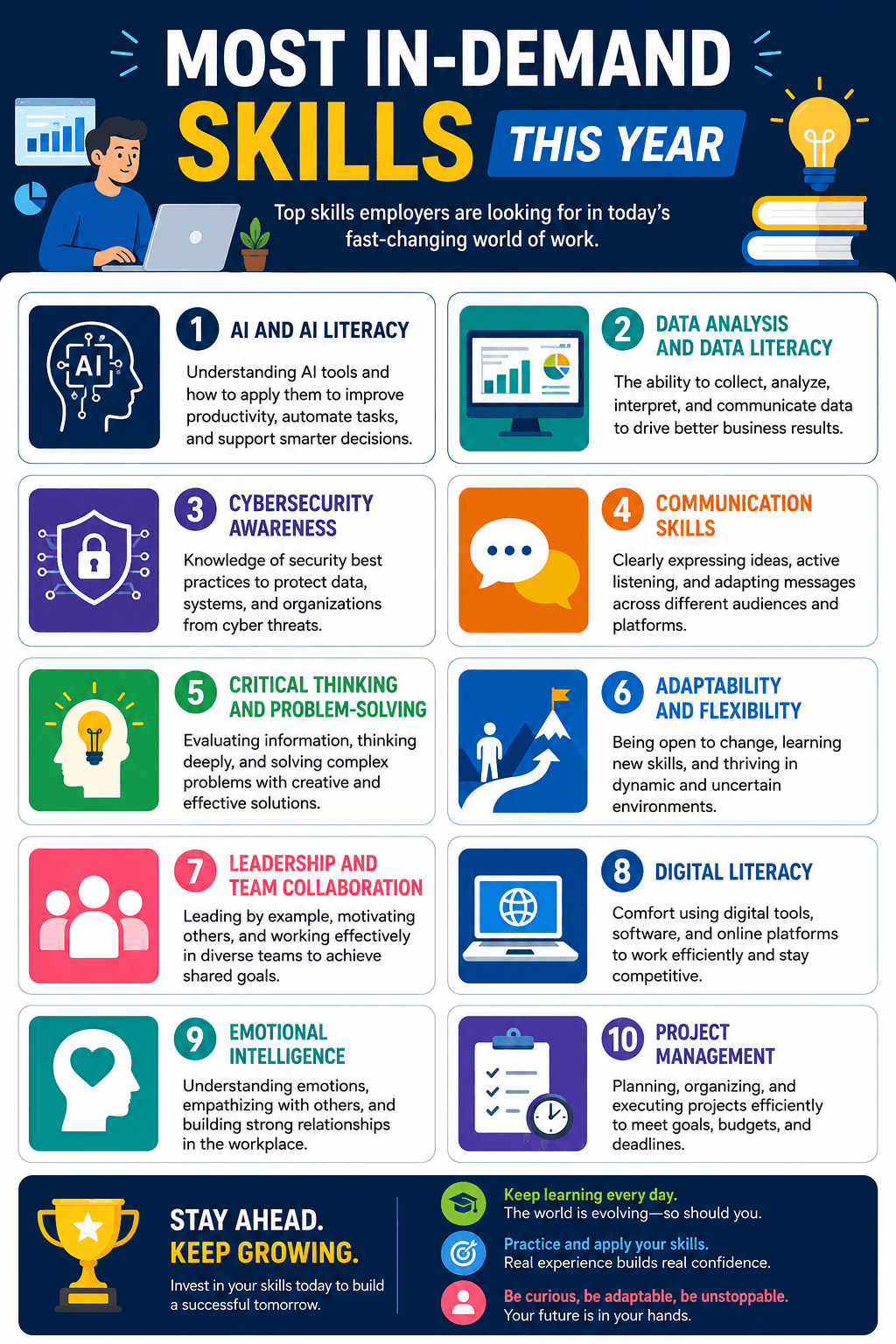
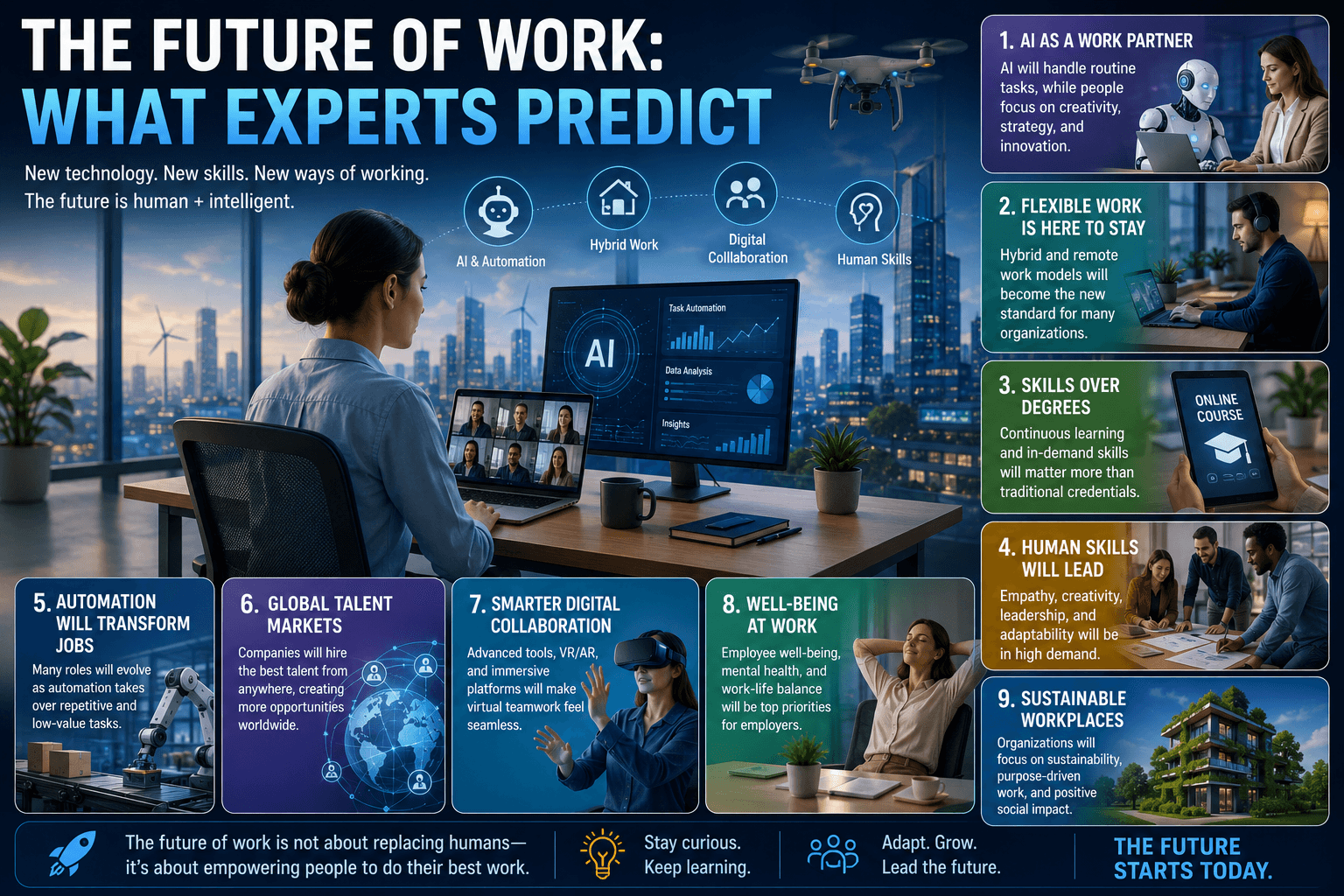
The modern workplace is evolving faster than ever before. Advances in technology, changing business priorities, globalization, and shifting workforce expectations are creating new demands for talent across industries. As companies adapt to a rapidly changing environment, employers are increasingly seeking professionals who possess a combination of technical expertise, adaptability, and strong interpersonal abilities.
While specific job roles may change over time, certain skills continue to emerge as critical for career success. Whether individuals are entering the workforce, seeking promotions, or considering career transitions, understanding the most in-demand skills can help them remain competitive in today's job market.
Experts agree that the future belongs to professionals who can continuously learn, embrace innovation, and effectively combine technical knowledge with human-centered capabilities.
Artificial Intelligence and AI Literacy
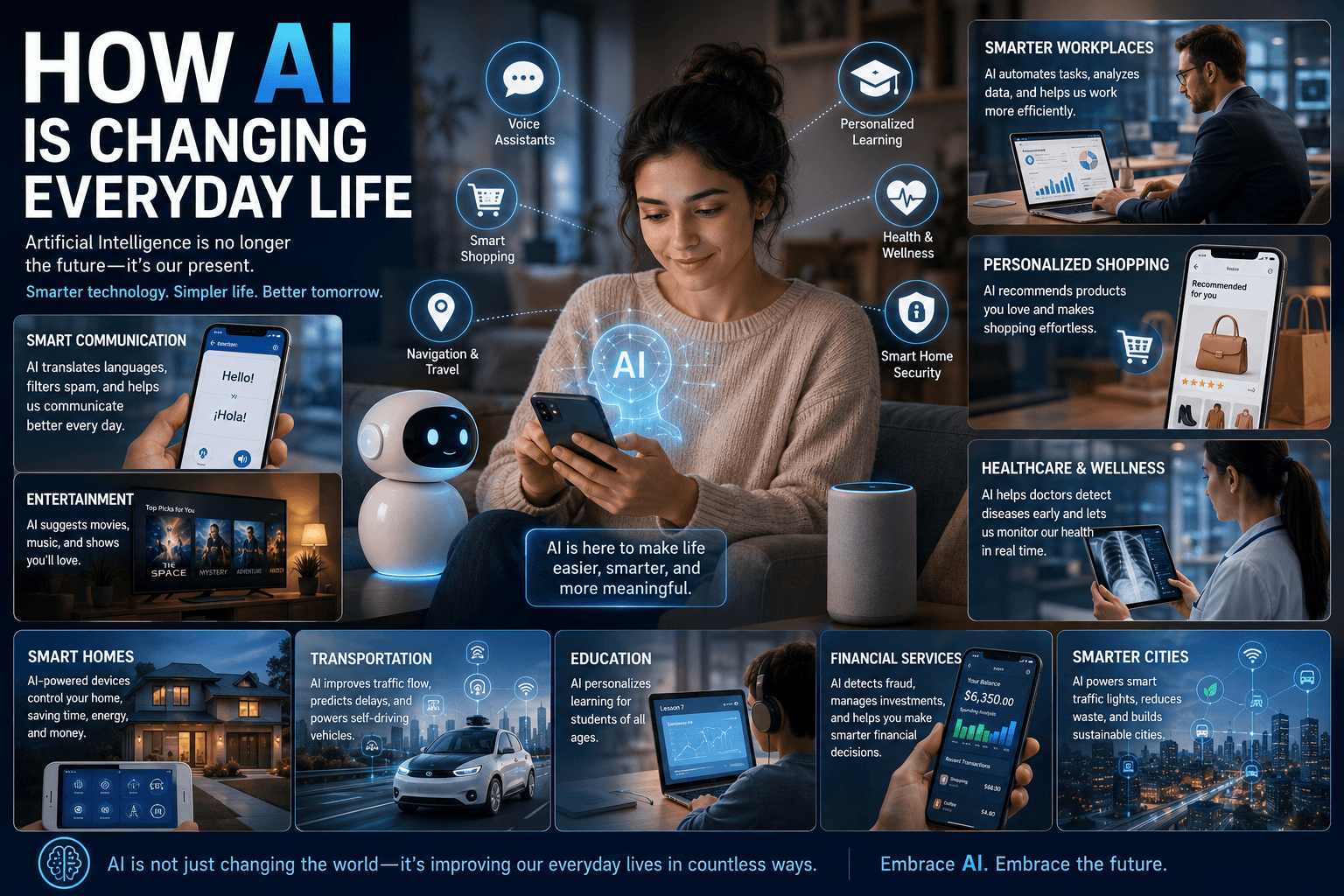
Artificial intelligence has become one of the most influential technologies shaping modern business. As organizations adopt AI-powered tools and systems, employers are increasingly seeking candidates who understand how AI works and how it can be applied effectively.
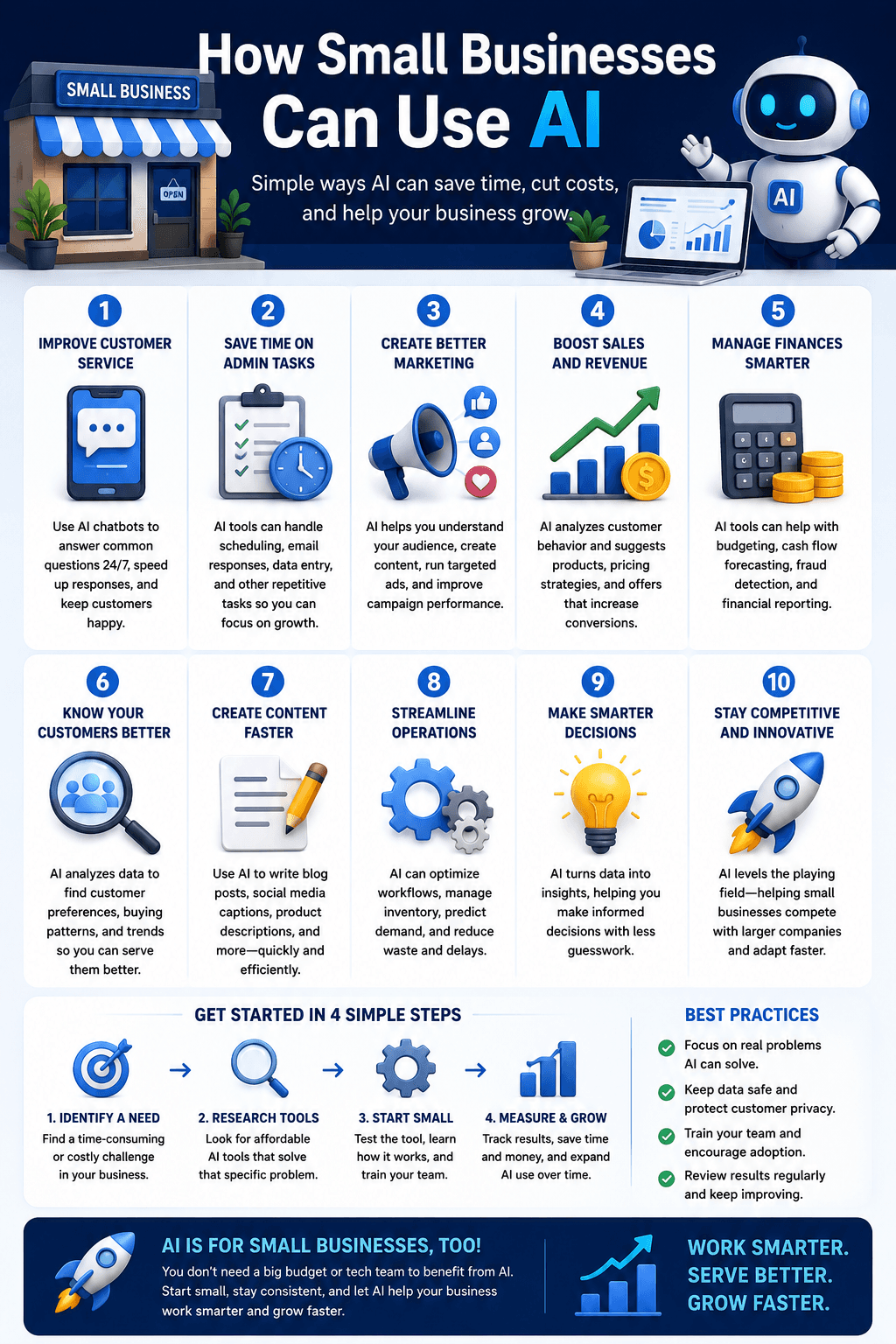
AI literacy does not necessarily require advanced programming expertise. Many companies value professionals who can use AI tools to improve productivity, analyze information, automate workflows, and support decision-making.
Employees who understand AI capabilities, limitations, ethics, and practical applications can help organizations integrate technology responsibly while improving operational efficiency. As AI adoption continues to expand, familiarity with intelligent systems is becoming a valuable skill across industries.
Data Analysis and Data Literacy
Data has become one of the most valuable assets for businesses. Organizations rely on data-driven insights to make informed decisions, improve customer experiences, identify market trends, and optimize operations.
Professionals who can collect, interpret, and communicate data effectively are increasingly in demand. Data literacy allows employees to understand key metrics, recognize patterns, and support strategic planning.
Businesses seek individuals who can transform raw information into actionable insights. Even professionals outside technical roles benefit from understanding how data influences decision-making in modern organizations.
As digital transformation accelerates, data-related skills are expected to remain highly valuable for years to come.
Cybersecurity Awareness
The growing reliance on digital systems has increased the importance of cybersecurity across all sectors. Cyber threats continue to evolve, creating demand for professionals who can help protect sensitive information and digital infrastructure.
While specialized cybersecurity experts remain essential, employers are also looking for workers who understand basic security principles and best practices.
Skills such as recognizing phishing attempts, protecting confidential information, managing passwords securely, and following security protocols contribute to stronger organizational resilience.
As cyber risks become more sophisticated, cybersecurity awareness is increasingly viewed as a fundamental workplace competency.
Communication Skills
Despite advances in automation and artificial intelligence, communication remains one of the most important professional skills.
Organizations depend on employees who can clearly express ideas, collaborate effectively, present information confidently, and build strong relationships with colleagues and clients.
Strong communication supports teamwork, leadership, customer service, conflict resolution, and project management. Professionals who can communicate complex concepts in a clear and understandable manner often stand out in competitive environments.
Whether communication occurs in person, through email, or during virtual meetings, this skill remains essential in nearly every profession.
Critical Thinking and Problem-Solving
Businesses face increasingly complex challenges that require thoughtful analysis and effective decision-making. Employers highly value individuals who can evaluate situations objectively, identify solutions, and make informed recommendations.
Critical thinking involves examining information carefully, questioning assumptions, and considering multiple perspectives before reaching conclusions.
Problem-solving skills enable professionals to address obstacles efficiently and develop innovative solutions that support organizational goals.
As industries continue to evolve, employees who can navigate uncertainty and solve problems creatively are likely to remain highly sought after.
Adaptability and Flexibility
The workplace is changing rapidly due to technological innovation, economic shifts, and evolving customer expectations. As a result, adaptability has become one of the most important professional skills.
Employers seek individuals who can adjust to new technologies, changing responsibilities, and unexpected challenges without losing productivity.
Adaptable employees are often more resilient during periods of transition and better equipped to succeed in dynamic environments.
Professionals who embrace learning and remain open to change can position themselves for long-term career growth.
Leadership and Team Collaboration
Leadership is no longer limited to management positions. Organizations increasingly value employees who can take initiative, support colleagues, and contribute positively to team success.
Strong leaders inspire others, communicate effectively, solve problems, and help achieve shared objectives. Team collaboration is equally important, particularly in workplaces where projects require input from multiple departments and specialists.
Professionals who demonstrate leadership potential while working effectively with others often become valuable contributors to organizational success.
As remote and hybrid work environments continue expanding, collaborative skills are becoming even more important.
Digital Literacy
Technology plays a central role in nearly every industry. Employers expect workers to feel comfortable using digital tools, online platforms, cloud-based systems, and workplace software.
Digital literacy includes understanding how to navigate digital environments efficiently and use technology to improve productivity.
Employees who can quickly learn new software, manage digital workflows, and leverage online resources effectively are often better prepared for modern workplace demands.
As organizations continue investing in digital transformation initiatives, digital literacy remains a foundational professional skill.
Emotional Intelligence
Emotional intelligence refers to the ability to understand, manage, and respond appropriately to emotions—both personal and interpersonal.
Professionals with strong emotional intelligence often excel in teamwork, leadership, customer service, and workplace relationships. They are better equipped to handle conflicts, communicate empathetically, and build trust with colleagues and clients.
Employers increasingly recognize that technical skills alone do not guarantee success. Human-centered abilities such as empathy, self-awareness, and interpersonal communication contribute significantly to workplace performance.
As automation handles more routine tasks, emotional intelligence is becoming an increasingly valuable differentiator.
Project Management
Organizations rely on professionals who can coordinate resources, manage timelines, oversee budgets, and ensure projects are completed successfully.
Project management skills help businesses execute initiatives efficiently while minimizing delays and risks.
Even employees who do not hold formal project management roles benefit from understanding planning, organization, prioritization, and execution principles.
The ability to manage projects effectively supports productivity, collaboration, and strategic growth across industries.
Continuous Learning and Growth Mindset
Perhaps the most important skill of all is the willingness to learn continuously. The rapid pace of change means that today's valuable skills may need updating tomorrow.
Employers increasingly seek candidates who demonstrate curiosity, adaptability, and a commitment to professional development.
A growth mindset encourages individuals to embrace challenges, learn from feedback, and pursue opportunities for improvement. Professionals who continuously expand their knowledge remain better prepared for future opportunities and workplace changes.
In a world where innovation never stops, lifelong learning has become a crucial competitive advantage.
Looking Ahead
The most in-demand skills this year reflect the growing importance of both technology and human capability. Artificial intelligence, data literacy, cybersecurity awareness, and digital proficiency are becoming essential technical competencies, while communication, leadership, emotional intelligence, adaptability, and critical thinking remain equally valuable.
Organizations increasingly seek well-rounded professionals who can combine technical expertise with creativity, collaboration, and strategic thinking. As industries continue evolving, individuals who invest in developing these skills will be better positioned to succeed in an increasingly competitive and technology-driven world.
The future workforce will belong to those who embrace learning, adapt to change, and continuously develop the skills needed to thrive in a rapidly changing global economy.
| Category | Details |
|---|---|
| Topic | Technology |
| Author | Rose |
| Published | 19/06/2026 |
| Read Time | Not set |
R