APAI Powered Supply Chains Transforming Global Logistics In 2026
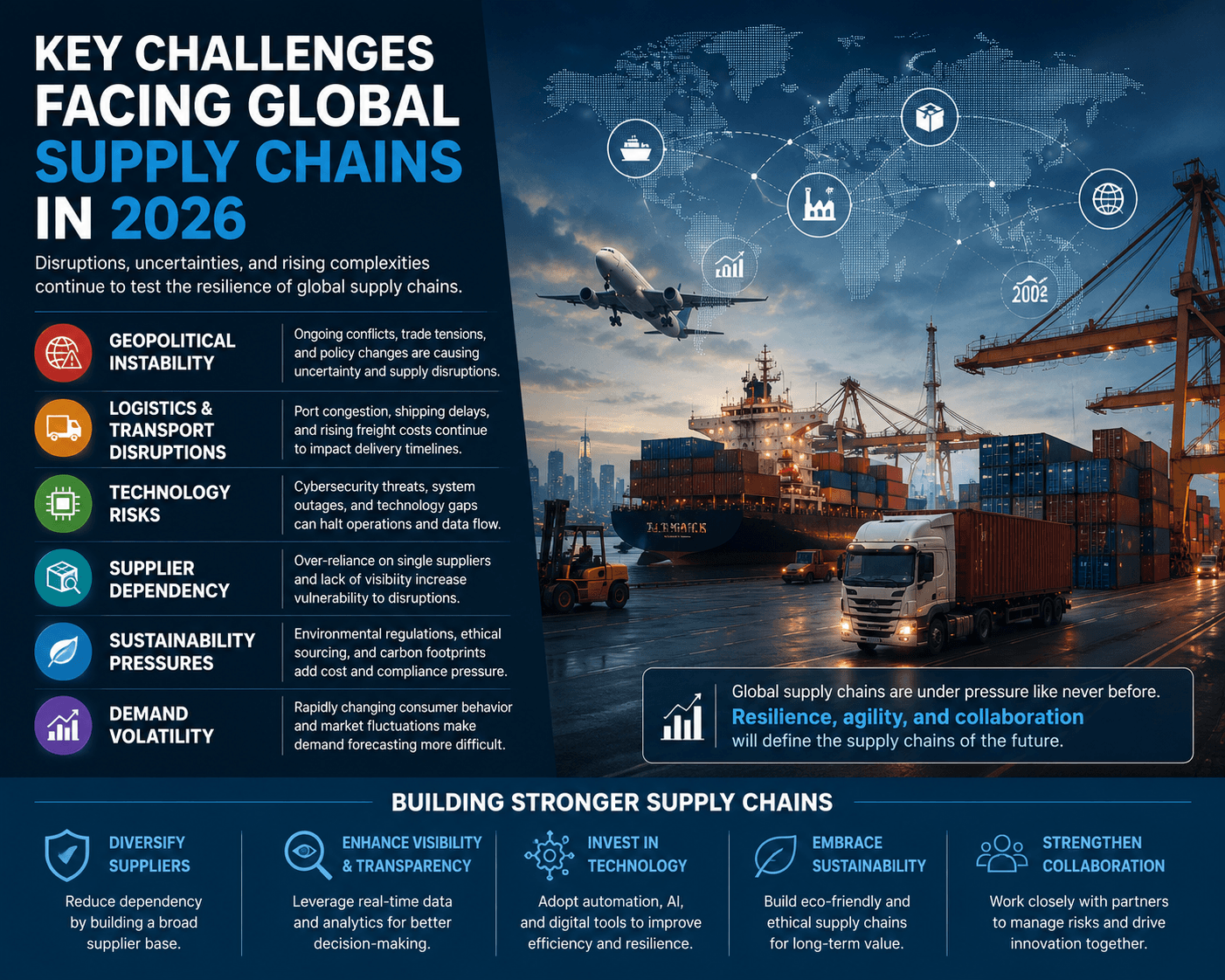
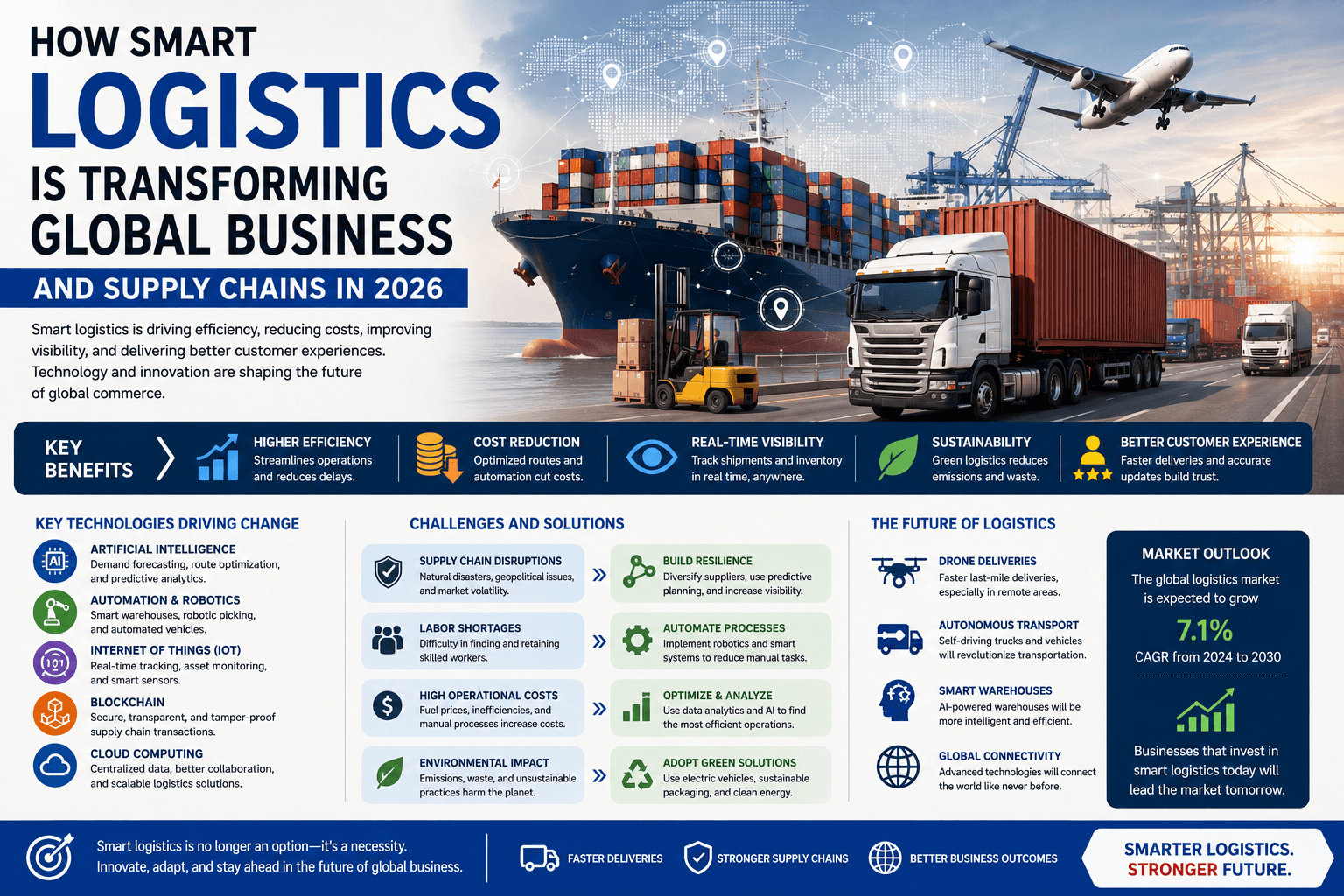
The logistics industry is experiencing one of the biggest transformations in its history. As global commerce continues to expand and customer expectations for faster deliveries increase, businesses are turning to smart warehouses and automated logistics solutions to improve efficiency and remain competitive.
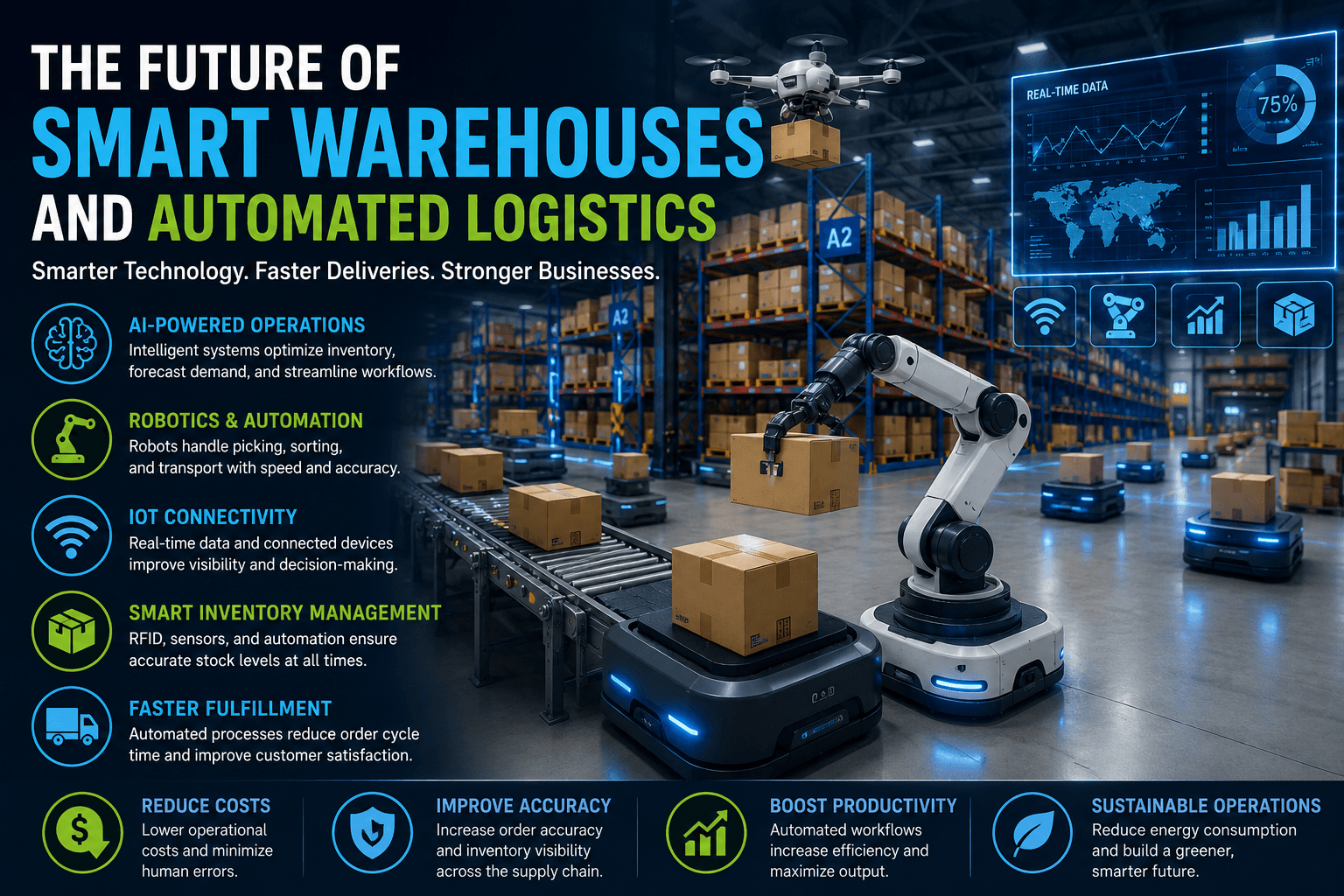
Powered by artificial intelligence (AI), robotics, the Internet of Things (IoT), cloud computing, and advanced analytics, smart warehouses are changing how products are stored, managed, and shipped. These technologies enable businesses to process orders more quickly, reduce operational costs, improve inventory accuracy, and strengthen supply chain resilience.
In 2026, warehouse automation is no longer limited to large multinational companies. Businesses of all sizes are adopting intelligent logistics solutions to streamline operations and meet the growing demands of modern commerce.
What Is a Smart Warehouse?
A smart warehouse is a highly connected facility that uses digital technologies to automate warehouse operations. Unlike traditional warehouses that depend heavily on manual labor, smart warehouses rely on intelligent systems that communicate with each other in real time.
These systems include:
Artificial intelligence
Warehouse Management Systems (WMS)
Autonomous mobile robots (AMRs)
Automated storage and retrieval systems (AS/RS)
IoT sensors
Barcode and RFID technology
Cloud-based inventory management
Together, these technologies create faster, more efficient warehouse operations.
Why Businesses Are Investing in Warehouse Automation
Several factors are driving investment in smart logistics:
Rising labor costs
Growing e-commerce demand
Faster customer delivery expectations
Global supply chain disruptions
Inventory management challenges
Increasing order volumes
Automation enables businesses to process thousands of orders daily with greater speed and accuracy while minimizing operational expenses.
Artificial Intelligence Optimizes Warehouse Operations
AI is becoming the brain of modern warehouse management.
AI systems continuously analyze data from inventory, shipping schedules, customer demand, and transportation networks to improve operational efficiency.
AI can:
Predict inventory shortages
Optimize storage locations
Improve picking routes
Forecast demand
Reduce shipping delays
Improve labor scheduling
Real-time optimization allows warehouses to respond quickly to changing market conditions.
Robotics Increases Productivity
Warehouse robots are transforming logistics operations by handling repetitive and physically demanding tasks.
Modern robots assist with:
Product picking
Shelf replenishment
Package sorting
Order transportation
Pallet movement
Inventory counting
By working alongside employees, robots increase productivity while reducing workplace injuries.
Automated Inventory Management
Inventory accuracy is essential for maintaining customer satisfaction and controlling costs.
Smart warehouses use RFID tags, barcode scanners, and IoT sensors to monitor inventory in real time.
Benefits include:
Accurate stock levels
Faster inventory audits
Reduced human error
Lower inventory losses
Improved order fulfillment
Businesses always know exactly where products are located within the warehouse.
Faster Order Fulfillment
Consumers increasingly expect same-day or next-day delivery.
Automation helps businesses process orders faster by:
Automatically locating products
Optimizing picking routes
Reducing packing time
Coordinating shipping schedules
Improving dispatch efficiency
Shorter fulfillment times improve customer satisfaction and strengthen brand loyalty.
Predictive Maintenance Keeps Equipment Running
Unexpected equipment failures can disrupt warehouse operations.
Predictive maintenance systems monitor equipment performance using sensors and AI analytics.
These systems detect early signs of wear before breakdowns occur.
Advantages include:
Reduced downtime
Lower repair costs
Longer equipment lifespan
Improved operational reliability
Maintenance becomes proactive rather than reactive.
Enhancing Workplace Safety
Automation also contributes to safer working environments.
Robots perform hazardous tasks such as:
Heavy lifting
Repetitive transportation
High-shelf retrieval
Continuous sorting
Employees can focus on supervision, quality control, customer service, and warehouse optimization instead of physically demanding activities.
Sustainability Through Smart Logistics
Modern warehouses are also becoming more environmentally friendly.
Automation supports sustainability by:
Reducing energy consumption
Optimizing transportation routes
Minimizing packaging waste
Improving warehouse space utilization
Lowering carbon emissions
Many companies now integrate sustainability goals into their logistics strategies alongside profitability objectives.
Challenges of Warehouse Automation
Although automation offers substantial benefits, businesses should prepare for several challenges.
Initial Investment
Implementing robotics and automation systems requires significant upfront capital.
Employee Training
Workers need new skills to operate and maintain advanced technologies.
Cybersecurity
Connected warehouse systems require strong protection against cyber threats.
System Integration
Older warehouse infrastructure may require upgrades before implementing intelligent automation.
With careful planning, these challenges can be successfully managed.
Industries Benefiting Most
Smart warehouses are transforming numerous industries, including:
E-commerce
Retail
Manufacturing
Pharmaceuticals
Food and beverage
Automotive
Consumer electronics
Third-party logistics (3PL)
As technology becomes more affordable, adoption continues to accelerate across both large enterprises and small businesses.
The Future of Warehouse Automation
The next generation of logistics will feature even greater levels of automation.
Emerging innovations include:
AI-powered warehouse orchestration
Drone-based inventory inspections
Digital twin warehouse simulations
Autonomous delivery vehicles
Advanced predictive analytics
Human-robot collaboration
Real-time supply chain visibility
These technologies will further improve speed, efficiency, and customer satisfaction while reducing operational costs.
Conclusion
Smart warehouses and automated logistics are redefining supply chain management. By integrating AI, robotics, IoT, and intelligent analytics, businesses can improve productivity, reduce costs, increase inventory accuracy, and deliver faster, more reliable customer service.
As global commerce continues to evolve, companies that invest in warehouse automation will be better positioned to compete in an increasingly digital marketplace. Intelligent logistics is no longer the future—it is becoming the new standard for operational excellence.