TFThe Future of Smart Homes in 2026: AI, Automation & Connected Living
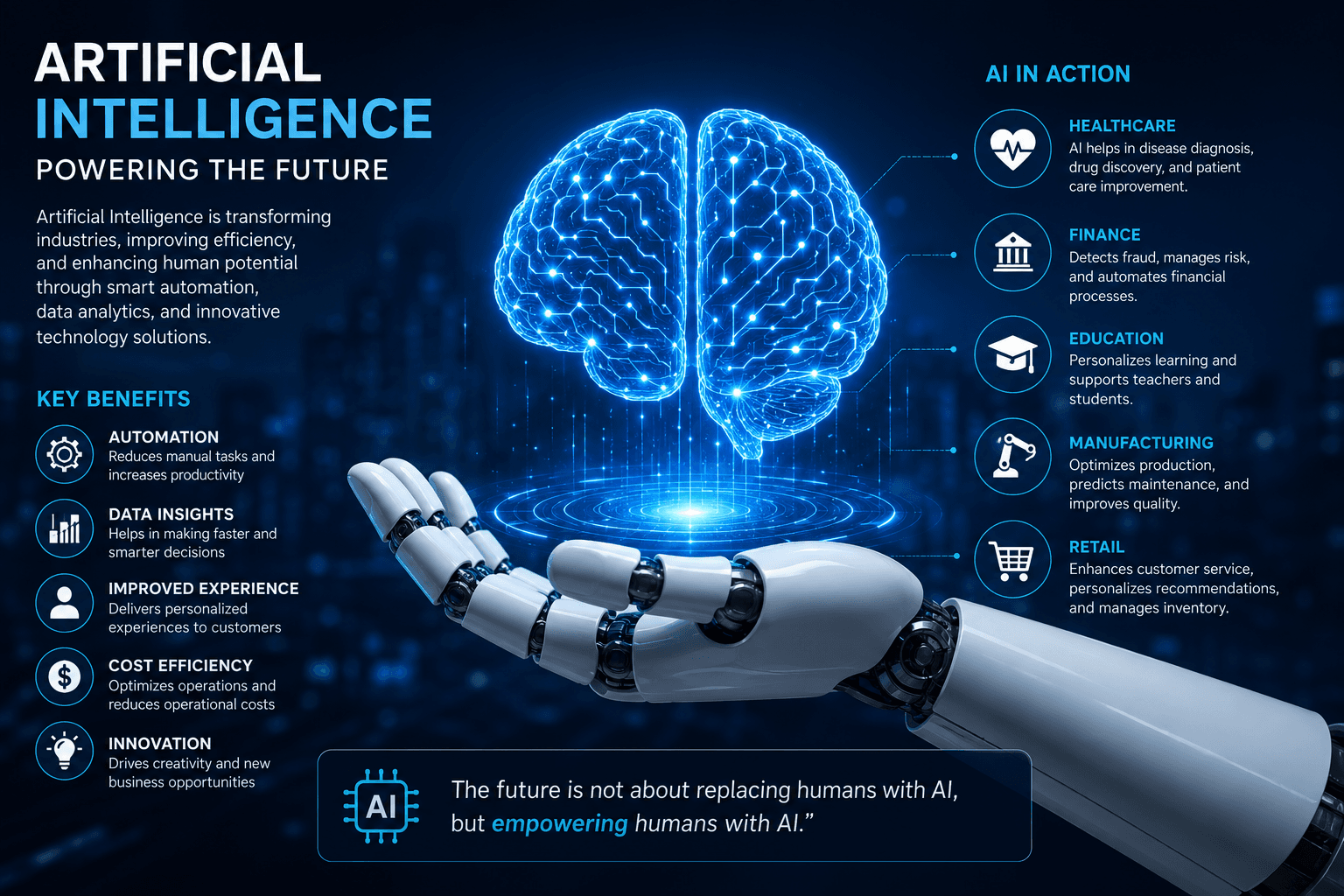
Artificial intelligence (AI) has evolved from a futuristic concept into one of the most influential technologies shaping the modern world. In 2026, AI is powering innovations across nearly every industry, helping businesses automate operations, improve customer experiences, strengthen cybersecurity, accelerate scientific research, and create entirely new products and services. As organizations continue embracing digital transformation, artificial intelligence has become a key driver of competitiveness, efficiency, and sustainable growth.
The rapid advancement of AI is supported by improvements in computing power, cloud infrastructure, machine learning algorithms, and access to massive datasets. These technological developments have enabled AI systems to perform increasingly sophisticated tasks, including natural language processing, image recognition, predictive analytics, and autonomous decision-making. Companies of all sizes are now integrating AI into their daily operations to improve productivity and remain competitive in a rapidly changing marketplace.
One of the most significant advantages of artificial intelligence is its ability to analyze enormous amounts of data in real time. Businesses generate vast quantities of information every day through customer interactions, financial transactions, supply chains, and digital platforms. AI-powered analytics transform this raw data into valuable insights, allowing organizations to identify trends, predict market changes, optimize operations, and make informed strategic decisions. Instead of relying solely on historical reports, business leaders can now access real-time intelligence that improves both speed and accuracy.
Customer service has experienced a remarkable transformation through AI technology. Intelligent virtual assistants and AI-powered chatbots provide instant support around the clock, answering frequently asked questions, processing requests, and resolving common issues without human intervention. These systems reduce response times while allowing customer service representatives to focus on more complex cases. Personalized recommendations based on customer behavior also enhance user experiences, increasing satisfaction and strengthening customer loyalty.
Artificial intelligence has become a valuable asset in marketing and digital advertising. Businesses use AI to analyze consumer preferences, predict purchasing behavior, optimize advertising campaigns, and create personalized content for different audience segments. Marketing teams can now identify the most effective channels, improve campaign performance, and allocate budgets more efficiently. AI-generated content tools also assist with creating blog posts, product descriptions, email campaigns, and social media content, enabling marketers to produce high-quality material more quickly while maintaining consistency across multiple platforms.
Healthcare continues to benefit significantly from AI-driven innovation. Hospitals and medical researchers use artificial intelligence to improve diagnostic accuracy, detect diseases earlier, analyze medical imaging, and support clinical decision-making. AI systems assist physicians by identifying patterns that may not be immediately visible through traditional methods. Researchers are also using machine learning to accelerate drug discovery, analyze genetic data, and develop personalized treatment plans that improve patient outcomes. Remote patient monitoring powered by AI enables healthcare providers to track health conditions continuously, supporting preventive care and reducing hospital admissions.
Education has entered a new era with the adoption of artificial intelligence. Educational institutions are implementing AI-powered learning platforms that personalize educational experiences according to each student's strengths, weaknesses, and learning pace. Intelligent tutoring systems provide instant feedback, recommend additional learning resources, and help students master difficult concepts more effectively. Teachers benefit from AI by automating administrative tasks such as grading assignments and tracking student performance, allowing them to dedicate more time to meaningful classroom interaction and individualized support.
The financial services industry relies heavily on artificial intelligence to improve operational efficiency and strengthen security. Banks use AI to detect fraudulent transactions, assess credit risks, automate regulatory compliance, and provide personalized financial advice. Machine learning algorithms continuously analyze millions of transactions to identify suspicious activities within seconds, reducing financial losses and protecting customers from cybercrime. Investment firms also utilize AI-powered predictive analytics to monitor market trends, evaluate risks, and support investment strategies based on real-time economic data.
Manufacturing companies have embraced AI-driven automation to improve production quality, reduce costs, and increase operational efficiency. Smart factories equipped with intelligent sensors continuously monitor machinery, predict maintenance requirements, and optimize production schedules. Predictive maintenance helps organizations identify potential equipment failures before they occur, reducing costly downtime and extending the lifespan of industrial machinery. AI-powered robots perform repetitive manufacturing tasks with exceptional accuracy, allowing human employees to focus on higher-value responsibilities that require creativity and critical thinking.
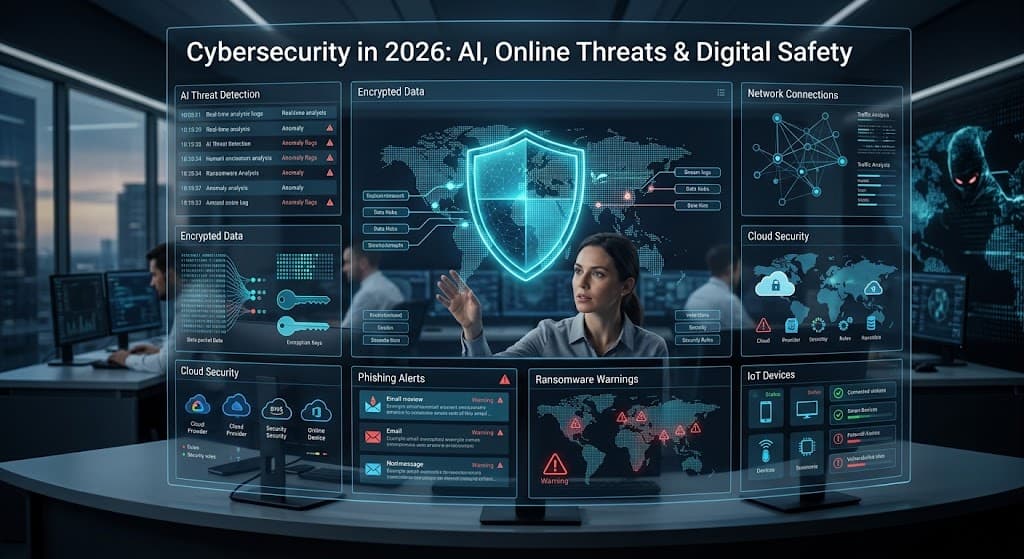
Cybersecurity has become increasingly important as digital threats continue evolving. Artificial intelligence strengthens cybersecurity by continuously monitoring networks, detecting unusual behavior, identifying malware, and responding to potential threats in real time. Traditional security systems often rely on predefined rules, whereas AI adapts by learning from new attack patterns and emerging cyber risks. Organizations use AI-powered security platforms to protect sensitive business information, financial data, and customer records from increasingly sophisticated cyberattacks.
Generative AI represents one of the most significant technological breakthroughs in recent years. Unlike traditional AI systems that primarily analyze existing information, generative AI creates new content, including articles, reports, presentations, software code, images, videos, and audio. Businesses are increasingly using generative AI to accelerate creative workflows, reduce production costs, and improve productivity across marketing, software development, education, media, and customer support. Human oversight remains essential to verify accuracy, maintain quality standards, and ensure responsible use of AI-generated content.
Small and medium-sized enterprises are discovering that artificial intelligence is no longer limited to large corporations. Cloud-based AI platforms and affordable software solutions have made advanced technology accessible to businesses with limited budgets. Small organizations can automate accounting, inventory management, customer relationship management, scheduling, and marketing without investing heavily in complex infrastructure. This democratization of AI enables startups and entrepreneurs to compete more effectively in global markets.
Artificial intelligence is also playing a growing role in environmental sustainability. Companies use AI to monitor energy consumption, optimize transportation routes, reduce industrial waste, improve agricultural productivity, and support climate research. Smart energy management systems analyze electricity usage and recommend efficiency improvements, helping organizations reduce operational costs while lowering carbon emissions. Precision agriculture powered by AI enables farmers to monitor crop health, predict weather conditions, optimize irrigation, and improve food production while minimizing environmental impact.
Despite its enormous potential, artificial intelligence presents several important challenges. Data privacy remains a significant concern as AI systems rely on large volumes of personal and organizational information. Businesses must establish strong cybersecurity measures, transparent data governance policies, and compliance with evolving privacy regulations. Ethical considerations surrounding algorithmic bias, transparency, accountability, and responsible decision-making require careful attention from technology developers, governments, and business leaders alike.
The growing adoption of AI has also sparked discussions about the future workforce. While automation may replace certain repetitive tasks, it is simultaneously creating demand for new skills in data science, AI engineering, cybersecurity, cloud computing, and digital strategy. Organizations are investing in employee training and continuous learning programs to help workers adapt to changing job requirements. Rather than replacing human expertise entirely, AI increasingly functions as a collaborative tool that enhances productivity, creativity, and informed decision-making.
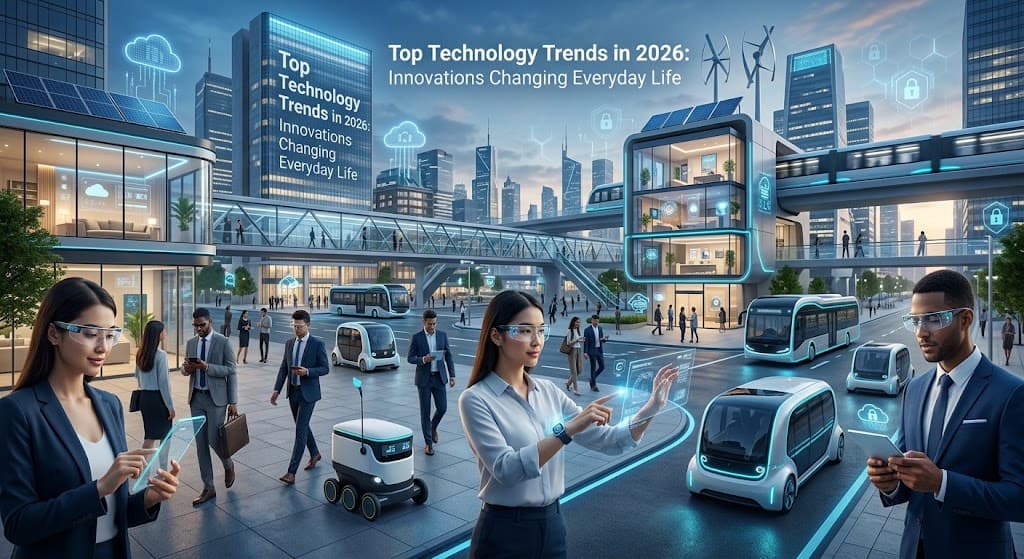
Looking ahead, artificial intelligence will continue expanding into emerging technologies such as autonomous transportation, smart cities, advanced robotics, quantum computing, personalized medicine, and scientific research. Governments and private companies worldwide are investing heavily in AI innovation, recognizing its potential to drive economic growth and improve quality of life. As AI systems become more sophisticated, responsible governance, ethical development, and human oversight will remain essential to ensuring technology benefits society as a whole.
Artificial intelligence is no longer simply an emerging technology—it has become a fundamental component of modern business strategy and technological innovation. Organizations that successfully integrate AI into their operations while maintaining transparency, security, and ethical responsibility will be better positioned to compete in an increasingly digital economy. As industries continue evolving, AI will remain one of the most powerful tools for driving innovation, solving complex challenges, improving operational efficiency, and creating new opportunities for businesses and communities worldwide.