
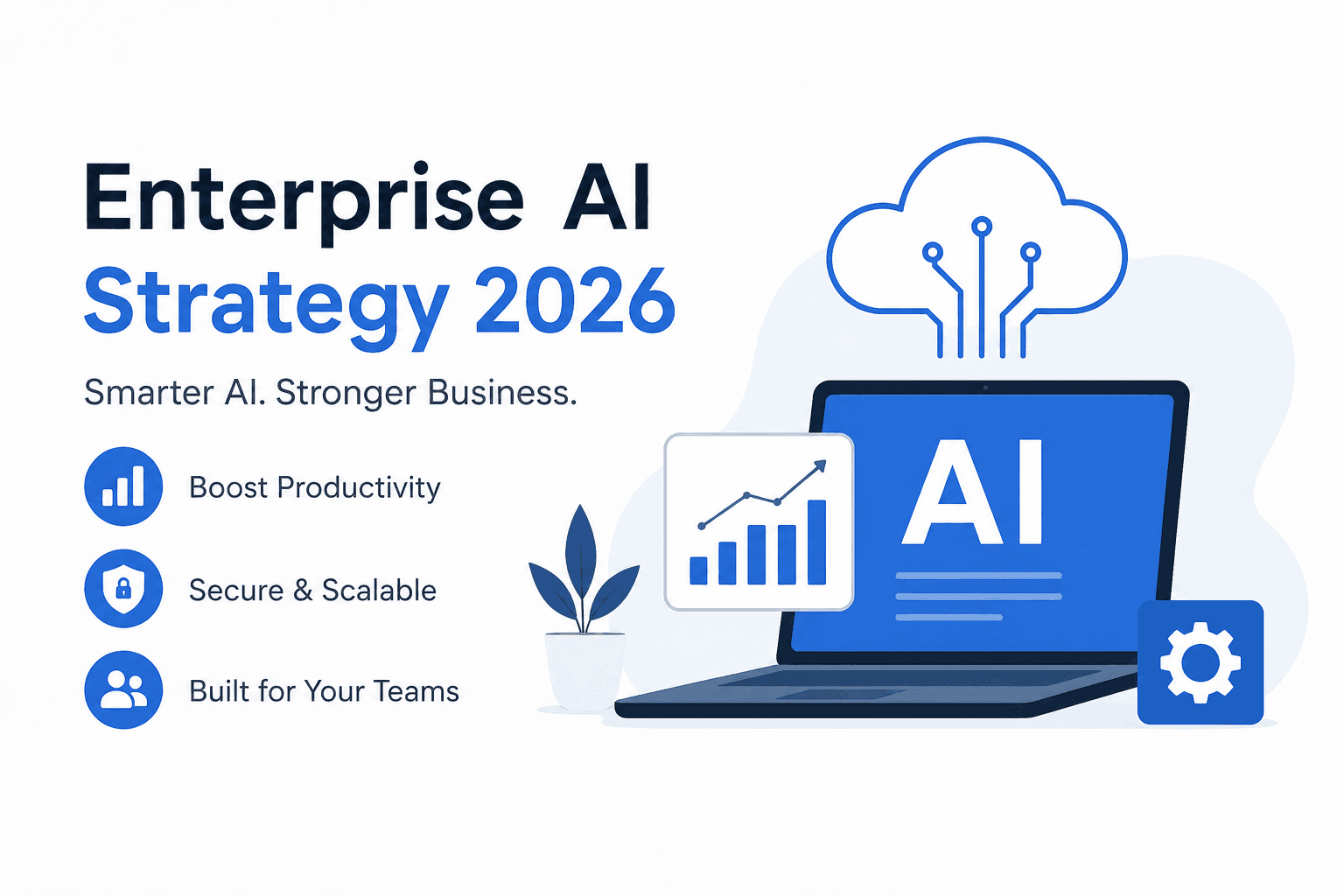
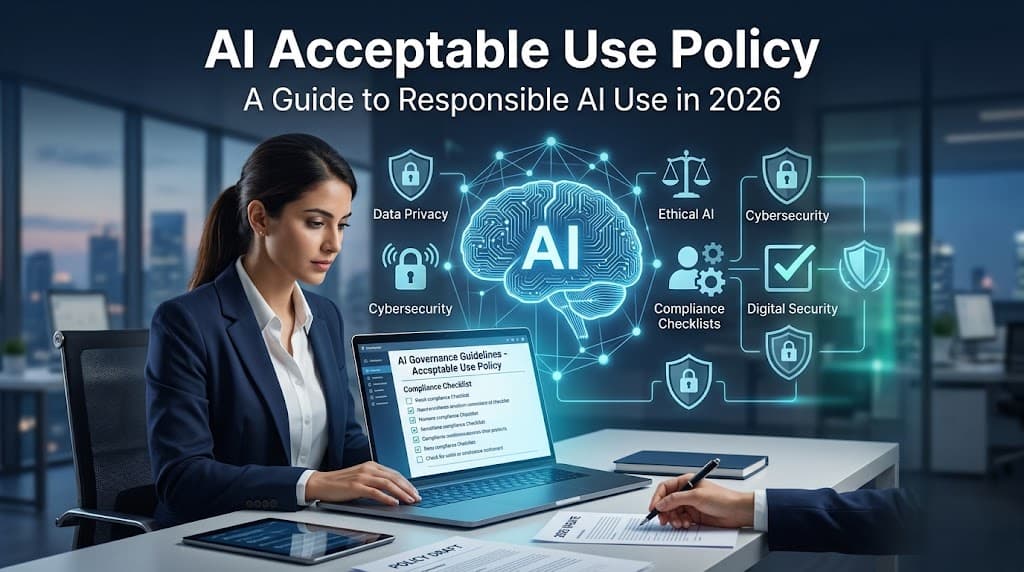
Artificial intelligence has moved beyond experimentation and is now becoming a core business capability. In 2026, organizations are increasingly focused on deploying AI at scale rather than simply testing individual tools. This shift has created growing demand for enterprise AI deployment services that help businesses integrate AI securely, efficiently, and with measurable business outcomes.
OpenAI's latest enterprise strategy reflects this evolution. Instead of offering only AI models, the company is expanding its support for organizations through deployment expertise, implementation guidance, and partnerships with consulting firms. The goal is to help businesses accelerate AI adoption while reducing technical complexity and implementation risks.
As enterprises invest more heavily in artificial intelligence, successful implementation is becoming just as important as choosing the right AI technology.
The Growing Importance of Enterprise AI
Businesses across industries are under pressure to improve efficiency, reduce operational costs, and deliver better customer experiences. AI has emerged as one of the most effective tools for achieving these objectives.
From automating repetitive tasks to generating business insights, AI enables organizations to operate faster and make more informed decisions. However, deploying AI across an enterprise involves far more than purchasing software. Companies must address data integration, security, governance, employee training, and workflow redesign.
This is where enterprise AI deployment services have become increasingly valuable.
OpenAI's Enterprise AI Strategy
OpenAI's enterprise strategy focuses on helping organizations successfully implement artificial intelligence across their operations. Rather than leaving companies to manage complex deployments independently, OpenAI is increasing its emphasis on enterprise support and implementation partnerships.
This strategy includes:
Enterprise AI consulting
Secure AI deployment
Workflow integration
AI governance support
Employee adoption guidance
Scalable AI implementation
These services help organizations move from pilot projects to enterprise-wide AI adoption with greater confidence.
Why AI Deployment Services Matter
Many businesses struggle during AI implementation because they underestimate the complexity of enterprise integration.
Common challenges include:
Poor data quality
Legacy software systems
Security concerns
Compliance requirements
Employee resistance
Lack of AI expertise
Professional AI deployment services help organizations overcome these obstacles by providing structured implementation frameworks, technical expertise, and ongoing optimization.
Benefits for Businesses
Faster AI Adoption
Experienced implementation teams reduce deployment time by following proven methodologies and best practices.
Improved Productivity
AI automates repetitive administrative tasks, allowing employees to focus on strategic initiatives and customer engagement.
Better Decision-Making
AI systems analyze large volumes of business data and deliver actionable insights that improve planning and operational efficiency.
Lower Operational Costs
Automation reduces manual work, minimizes errors, and streamlines business processes.
Enhanced Customer Experience
AI-powered assistants and intelligent support systems provide faster responses, personalized recommendations, and 24/7 customer service.
Industries Leading Enterprise AI Adoption
Several sectors are rapidly expanding their AI investments.
Financial Services
Banks and financial institutions use AI for fraud detection, risk analysis, customer support, and regulatory compliance.
Healthcare
Hospitals leverage AI for clinical documentation, medical imaging analysis, and administrative automation while maintaining strict privacy standards.
Manufacturing
Manufacturers implement AI for predictive maintenance, quality control, supply chain optimization, and production planning.
Retail
Retailers use AI for personalized shopping experiences, inventory forecasting, pricing optimization, and demand prediction.
Professional Services
Law firms, consulting companies, and accounting firms increasingly rely on AI to automate research, document analysis, and routine administrative work.
Enterprise AI Requires Responsible Governance
As AI adoption grows, responsible governance becomes increasingly important.
Organizations must establish policies covering:
Data privacy
Cybersecurity
Model transparency
Regulatory compliance
Human oversight
Ethical AI usage
Strong governance builds trust among employees, customers, and regulators while reducing business risks.
Challenges Organizations Should Prepare For
Despite its advantages, enterprise AI implementation is not without challenges.
Businesses should expect to address:
Integration with legacy infrastructure
Data management issues
Employee training requirements
Change management
AI security risks
Ongoing model monitoring
Organizations that plan carefully and invest in proper implementation are generally better positioned to achieve long-term success.
The Future of Enterprise AI
Enterprise AI is evolving from isolated automation projects into organization-wide business platforms. Over the next several years, businesses are expected to combine generative AI, intelligent agents, workflow automation, and predictive analytics into integrated systems that support nearly every business function.
Companies that develop a clear AI strategy today are likely to gain competitive advantages through greater efficiency, innovation, and customer satisfaction.
OpenAI's focus on enterprise deployment reflects a broader industry trend: businesses increasingly need practical implementation expertise alongside powerful AI technology.
Conclusion
Artificial intelligence is no longer a future technology—it is becoming a critical component of modern business strategy. OpenAI's enterprise AI approach demonstrates that successful AI adoption depends not only on advanced models but also on effective implementation, governance, and organizational readiness.
Businesses that invest in structured AI deployment can improve productivity, reduce operational costs, strengthen decision-making, and create better customer experiences. As AI continues to mature throughout 2026, organizations that embrace responsible and scalable implementation strategies will be better equipped to compete in an increasingly digital economy.
FAQs
What is enterprise AI deployment?
Enterprise AI deployment is the process of integrating artificial intelligence into business operations, systems, and workflows to improve efficiency and decision-making.
Why are AI deployment services important?
They help businesses implement AI securely, integrate it with existing systems, train employees, and maximize return on investment.
Which industries benefit most from enterprise AI?
Financial services, healthcare, manufacturing, retail, logistics, and professional services are among the leading adopters of enterprise AI.
What are the biggest challenges of AI implementation?
Common challenges include data quality, legacy systems, security, compliance, employee adoption, and governance.
How does enterprise AI improve business performance?
Enterprise AI automates repetitive work, provides data-driven insights, improves customer experiences, and helps organizations operate more efficiently.