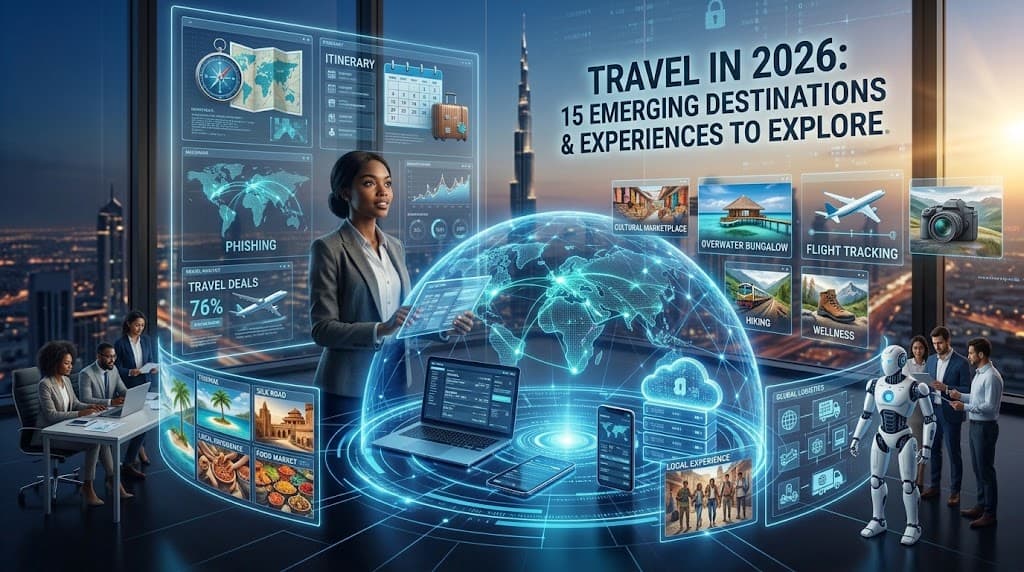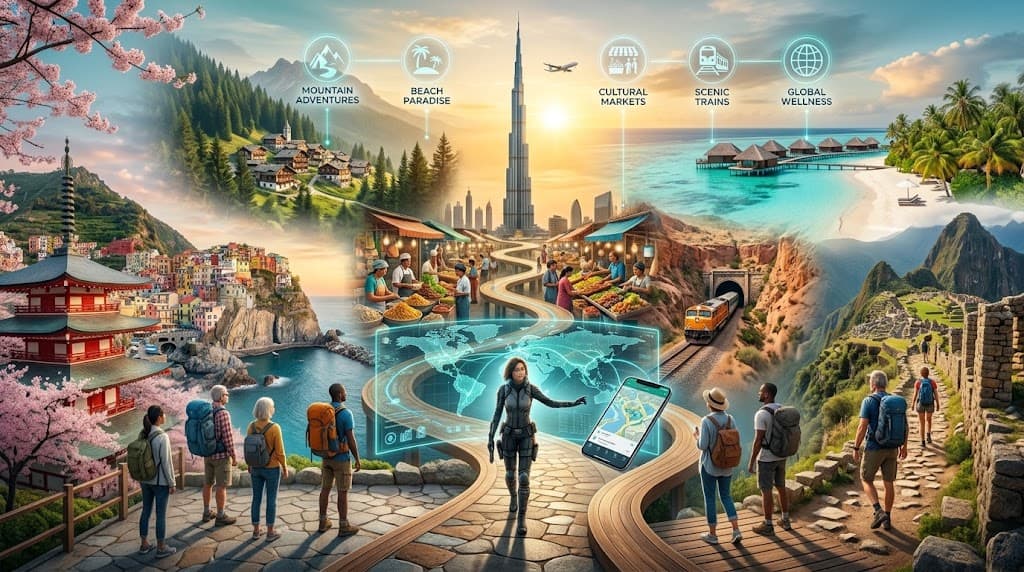
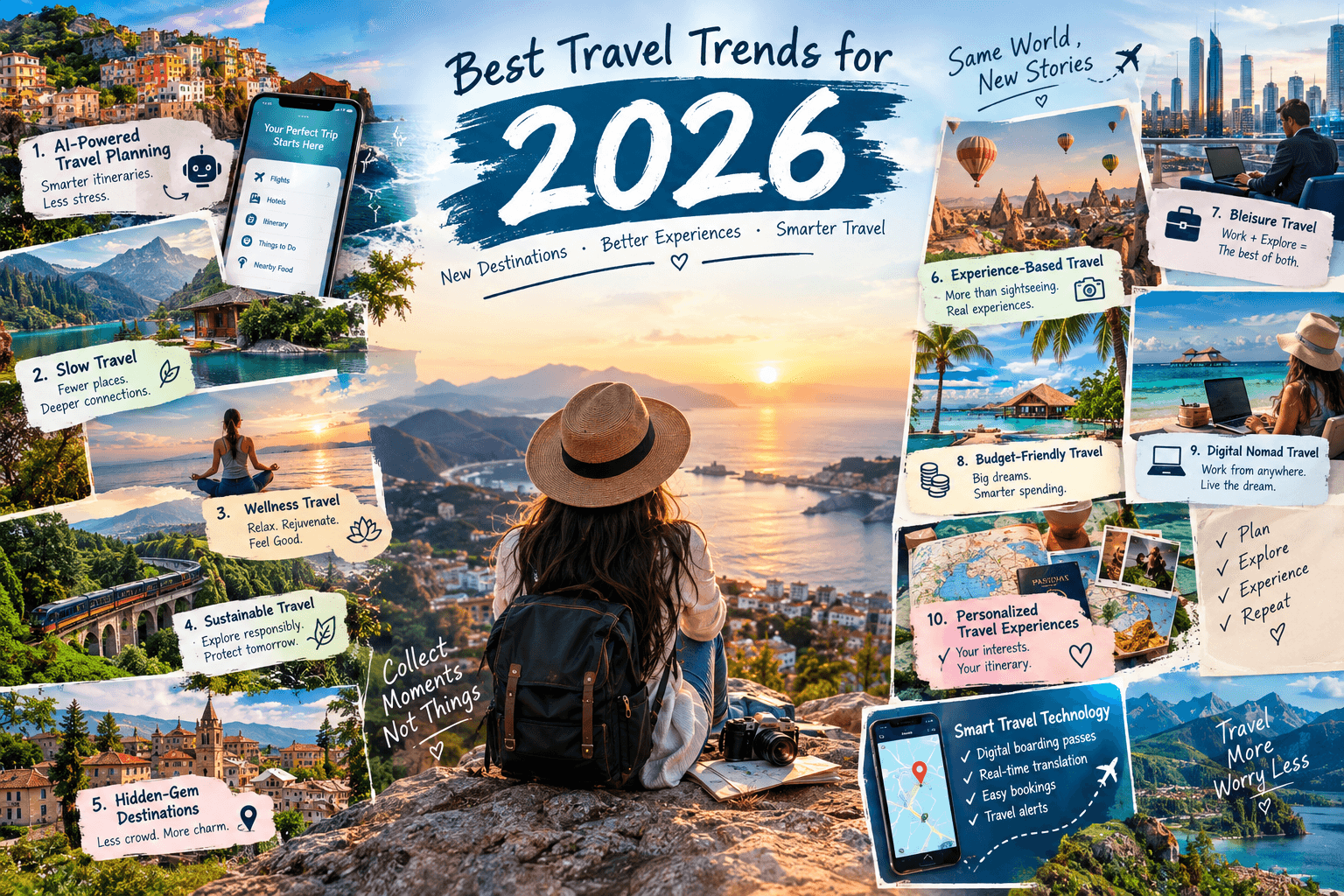
Travel is entering a new era in 2026. Technology, changing traveler preferences, sustainability, and personalized experiences are transforming how people plan, book, and enjoy their journeys.
Travelers are increasingly looking for more than traditional sightseeing. They want convenience, authentic experiences, flexible itineraries, local culture, wellness, and responsible tourism. At the same time, artificial intelligence and digital platforms are making travel planning faster and more personalized.
AI Is Transforming Travel Planning
Artificial intelligence is becoming an important travel companion.
AI-powered tools can help travelers discover destinations, compare options, organize itineraries, and find activities based on their interests and budgets.
Instead of spending hours researching different websites, travelers can increasingly use intelligent platforms to create personalized travel plans.
AI can also adjust itineraries when flights are delayed, weather conditions change, or attractions become unavailable.
Personalized Travel Experiences Are Growing
Travel is becoming more personalized.
Travel platforms can analyze preferences such as budget, interests, travel history, and preferred activities to recommend destinations and experiences.
A traveler interested in food may receive recommendations for culinary destinations, while someone interested in adventure could discover hiking, diving, or outdoor experiences.
This shift from generic packages toward personalized travel can make trips more relevant and enjoyable.
Sustainable Tourism Is Becoming More Important
Environmental awareness is influencing travel decisions.
Many travelers are becoming more interested in destinations, hotels, transportation options, and activities that prioritize sustainability.
Eco-friendly accommodations, public transportation, responsible wildlife tourism, and locally owned businesses can help reduce some of the negative impacts associated with tourism.
Sustainable travel is not only about protecting the environment. It can also support local communities and preserve cultural heritage.
Digital Nomad Travel Continues to Evolve
Remote work has changed the relationship between travel and employment.
Professionals who can work remotely may spend longer periods in different cities and countries instead of taking only short vacations.
This has contributed to the growth of digital-nomad communities and long-stay travel.
Destinations are responding by offering coworking spaces, reliable internet, flexible accommodation, and services designed for remote professionals.
Smart Airports Are Improving the Journey
Airports are increasingly adopting digital technologies to improve passenger experiences.
Biometric identification, automated check-in, digital boarding systems, intelligent baggage tracking, and real-time travel information can reduce waiting times and make airport journeys more efficient.
The goal is to create a smoother experience from arrival at the airport to boarding the aircraft.
Mobile Technology Is Essential for Travelers
Smartphones have become central to modern travel.
Travelers can use mobile devices for boarding passes, maps, translations, hotel reservations, digital payments, transportation, and communication.
Travel applications can also provide real-time notifications about flight changes, weather, traffic, and local events.
This makes it easier for travelers to manage their journeys without carrying large amounts of physical documentation.
Experiential Travel Is Taking Center Stage
Many travelers increasingly value experiences over material purchases.
Instead of simply visiting famous landmarks, they may want to learn local cooking, explore traditional markets, participate in cultural activities, or spend time in nature.
Experiential travel can create deeper connections with destinations and provide memories that extend beyond conventional sightseeing.
Wellness Tourism Is Expanding
Travel and wellness are becoming increasingly connected.
Wellness-focused trips can include spa retreats, yoga programs, nature escapes, fitness experiences, meditation, and healthy culinary experiences.
For people dealing with busy lifestyles, travel can provide an opportunity to disconnect from everyday routines and focus on relaxation and personal well-being.
Local Communities Matter
Responsible tourism increasingly emphasizes the importance of local communities.
Travelers can support local economies by choosing locally owned restaurants, guides, shops, accommodations, and cultural experiences.
Respecting local customs and avoiding overcrowded areas can also contribute to more responsible travel.
Travel Security Is Becoming Smarter
Technology is also improving travel security.
Digital identity systems, fraud detection, emergency notifications, and real-time travel alerts can help travelers and travel companies respond to potential risks.
However, travelers should still take basic precautions, protect personal information, use secure networks, and research local conditions before traveling.
The Future of Travel
The travel industry is moving toward a more connected and personalized experience.
AI can simplify planning, digital tools can improve convenience, and sustainable practices can help protect destinations.
At the same time, travelers are increasingly interested in meaningful experiences, local culture, wellness, and responsible tourism.
Conclusion
Travel in 2026 is becoming more intelligent, personalized, flexible, and sustainability-focused.
Technology is making it easier to plan and manage journeys, while changing traveler expectations are encouraging the industry to offer more authentic and responsible experiences.
The future of travel will not simply be about visiting more places. It will be about traveling smarter, experiencing destinations more deeply, and creating journeys that are better for travelers, communities, and the planet.
FAQs: The Future of Travel in 2026
1. How is technology changing travel in 2026?
Technology is making travel more convenient, personalized, and flexible. AI can help travelers plan itineraries, discover destinations, compare options, and adjust plans when circumstances change. Mobile applications, digital payments, smart airport systems, biometric identification, and real-time notifications are also improving the overall travel experience.
2. How is AI being used in the travel industry?
AI is being used for personalized recommendations, itinerary planning, customer service, travel forecasting, translation, pricing analysis, and operational management. AI-powered travel assistants can understand a traveler's preferences and suggest destinations, hotels, restaurants, and activities that match their interests and budget.
3. What is sustainable tourism?
Sustainable tourism focuses on reducing the negative environmental and social effects of travel while supporting local communities and economies. Travelers can contribute by choosing responsible accommodations, using public transportation when practical, supporting local businesses, reducing waste, and respecting natural and cultural environments.
4. Why is sustainable travel becoming more popular?
Growing awareness of environmental issues and the impact of mass tourism is encouraging travelers to make more responsible choices. Many people want to explore destinations while helping protect natural resources, local cultures, and communities for future generations.
5. What is experiential travel?
Experiential travel focuses on meaningful activities rather than simply visiting famous tourist attractions. Travelers may participate in cooking classes, cultural events, local tours, outdoor adventures, traditional crafts, or community experiences to develop a deeper connection with the destination.
6. How are digital nomads changing the travel industry?
Remote workers can travel while continuing their professional responsibilities, allowing them to stay in destinations for weeks or months rather than taking short vacations. This is encouraging destinations to develop coworking spaces, reliable internet, long-term accommodation, and services designed for remote professionals.
7. How are airports becoming smarter?
Modern airports are increasingly using technologies such as biometric identification, automated check-in, digital boarding passes, baggage tracking, and real-time notifications. These systems can reduce waiting times and make passenger journeys more efficient.
8. Why are mobile apps important for modern travelers?
Mobile apps allow travelers to manage many parts of a trip from one device. They can access boarding passes, hotel reservations, maps, translation tools, transportation services, digital payments, weather information, and travel alerts. This reduces the need for physical documents and makes travel management easier.
9. What is wellness tourism?
Wellness tourism involves traveling with the goal of improving physical or mental well-being. It can include spa retreats, yoga, meditation, fitness activities, nature trips, healthy food experiences, and relaxation-focused vacations.
10. How can travelers support local communities?
Travelers can support local communities by choosing locally owned hotels, restaurants, shops, tour operators, and guides. Purchasing locally produced products and participating respectfully in cultural experiences can also help tourism revenue remain within local economies.
11. How can travelers make their trips more environmentally friendly?
Travelers can consider lower-impact transportation options, avoid unnecessary waste, conserve water and energy, choose environmentally responsible accommodations, and respect wildlife and natural areas. Small decisions throughout a trip can contribute to more responsible tourism.
12. Is personalized travel becoming more important?
Yes. Travelers increasingly want trips that reflect their individual interests, budgets, schedules, and preferences. Digital platforms and AI can analyze these preferences and provide customized recommendations instead of offering the same itinerary to every traveler.
13. How can technology improve travel safety?
Technology can provide real-time travel alerts, digital identity services, emergency notifications, fraud monitoring, and location-based information. Travelers should still use basic safety precautions, protect personal information, and research local conditions before visiting unfamiliar destinations.
14. What are the biggest travel trends in 2026?
Important trends include AI-powered trip planning, sustainable tourism, experiential travel, wellness vacations, digital-nomad travel, smart airports, mobile travel services, personalized experiences, and longer stays focused on local culture.
15. What will the future of travel look like?
The future of travel is likely to become increasingly personalized, connected, sustainable, and technology-driven. AI and digital platforms will simplify planning and travel management, while travelers will continue seeking authentic experiences, wellness, cultural connections, and responsible ways to explore the world.