
In today's competitive business environment, companies increasingly rely on business travel to build partnerships, explore new markets, attend industry events, and strengthen client relationships. While business travel creates valuable opportunities for growth, organizations must also be prepared to manage financial risks, including the possibility of insolvency during periods of economic uncertainty.
Understanding how business travel and financial stability are connected can help companies make smarter decisions and build long-term resilience.
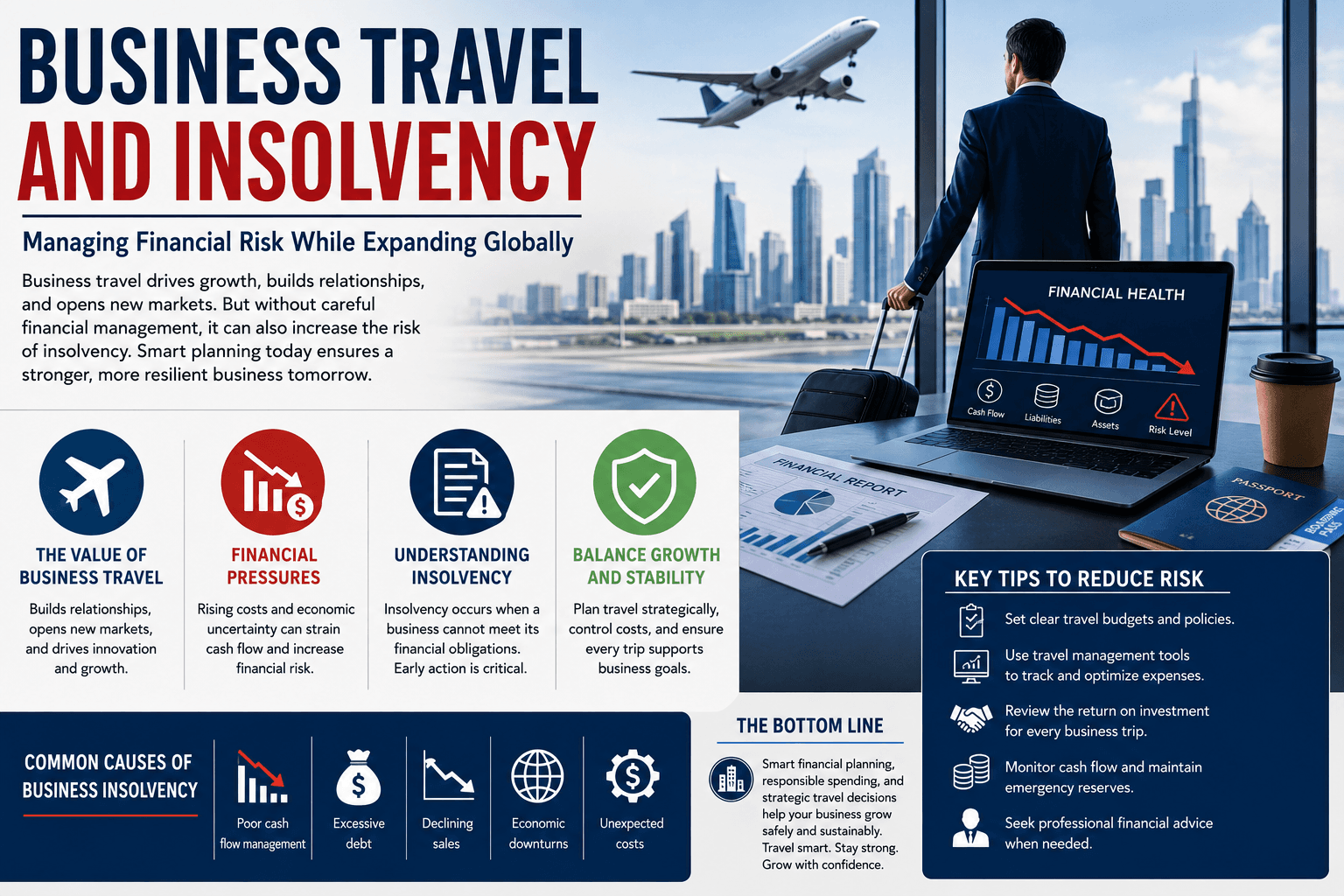
The Importance of Business Travel
Despite the growth of virtual meetings, face-to-face interactions remain essential for many businesses. Corporate travel enables executives to negotiate contracts, attend international trade exhibitions, meet investors, and identify new business opportunities.
Business travel also supports knowledge sharing, innovation, and stronger relationships with customers and suppliers. Companies that invest strategically in travel often gain a competitive advantage by expanding their global presence and improving collaboration.
Rising Financial Pressures
While business travel offers significant benefits, it also represents a major operating expense. Airfare, accommodation, transportation, visas, insurance, and event participation costs can quickly add up.
During periods of inflation, higher interest rates, or economic slowdown, companies may face declining revenue while operating costs continue to increase. Without careful financial planning, excessive spending can contribute to cash flow problems.
Understanding Business Insolvency
Insolvency occurs when a company cannot meet its financial obligations as they become due or when its liabilities exceed its assets. It does not always mean a business must close permanently, but it often requires immediate action to protect creditors, employees, and stakeholders.
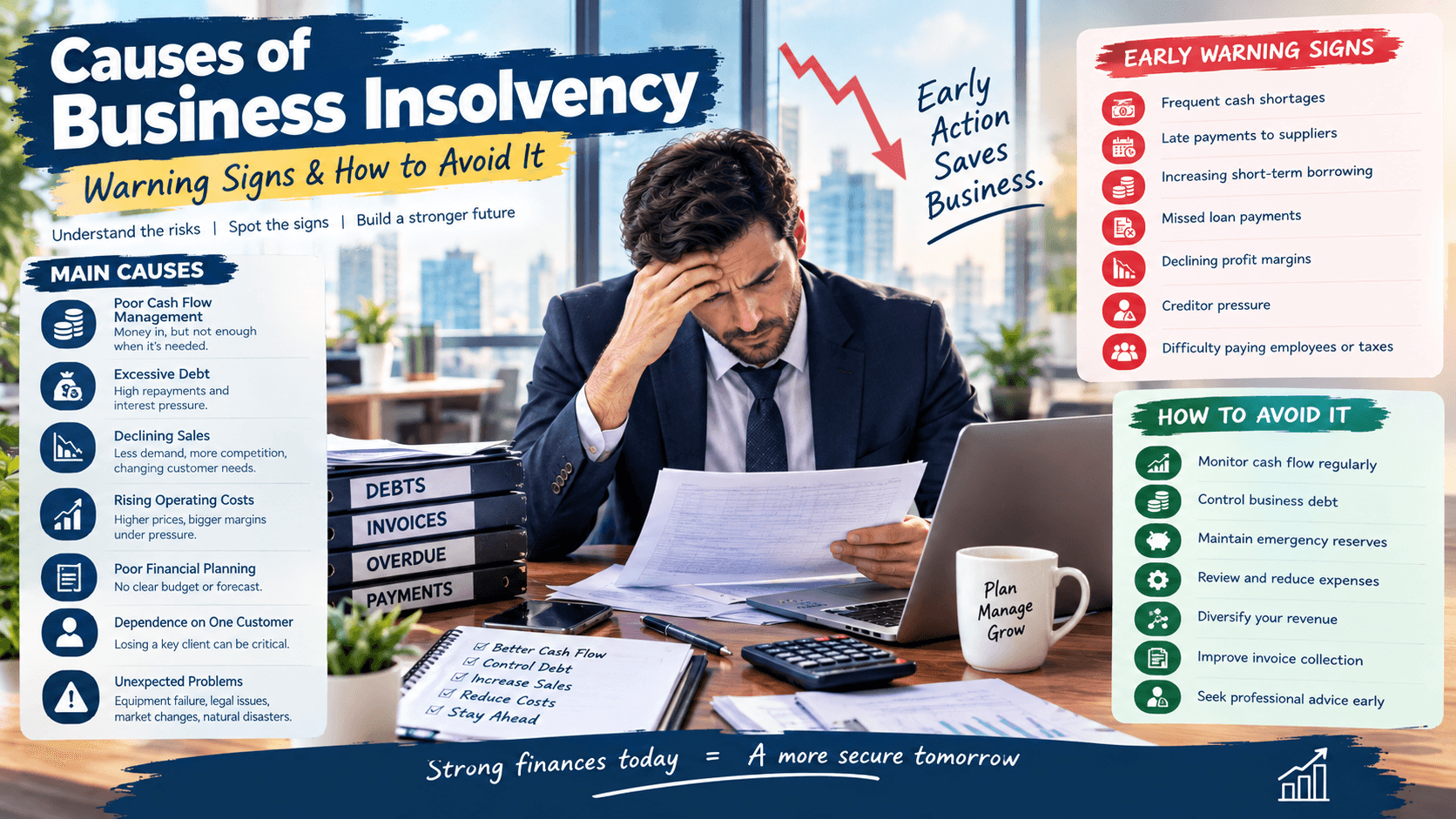
Common causes of business insolvency include:
Poor cash flow management
Excessive debt
Declining sales
Economic downturns
Unexpected operational costs
Weak financial planning
Recognizing warning signs early allows businesses to take corrective action before financial difficulties become severe.
Balancing Growth and Financial Stability
Successful organizations balance expansion with responsible financial management. Before approving business travel, companies should evaluate the expected return on investment and ensure travel aligns with strategic goals.
Businesses can reduce financial risks by:
Setting clear travel budgets
Using corporate travel management systems
Monitoring travel expenses regularly
Negotiating preferred rates with airlines and hotels
Reviewing travel outcomes and business value
These practices help maximize the benefits of business travel while controlling unnecessary costs.
Technology Supports Smarter Travel Decisions
Modern travel management platforms use artificial intelligence and data analytics to optimize bookings, track expenses, and identify cost-saving opportunities. Digital expense management also improves transparency and helps finance teams monitor corporate spending in real time.
Companies that embrace technology can improve efficiency while reducing financial pressure.
Preparing for Financial Challenges
Every business should have a financial contingency plan. Maintaining emergency cash reserves, regularly reviewing cash flow, and seeking professional financial advice when necessary can help organizations respond quickly to changing economic conditions.
If financial difficulties arise, early restructuring or negotiations with creditors may provide alternatives to formal insolvency proceedings.
Looking Ahead
As global business continues to evolve, companies must carefully balance growth ambitions with financial discipline. Business travel will remain an important driver of international expansion, but organizations that combine strategic travel planning with strong financial management will be better positioned to succeed.
Conclusion
Business travel creates opportunities for growth, innovation, and international collaboration. However, sustainable success depends on sound financial management and proactive risk planning. By carefully managing travel expenses, monitoring cash flow, and preparing for economic uncertainty, businesses can reduce insolvency risks while continuing to expand in an increasingly competitive global marketplace.