Introduction
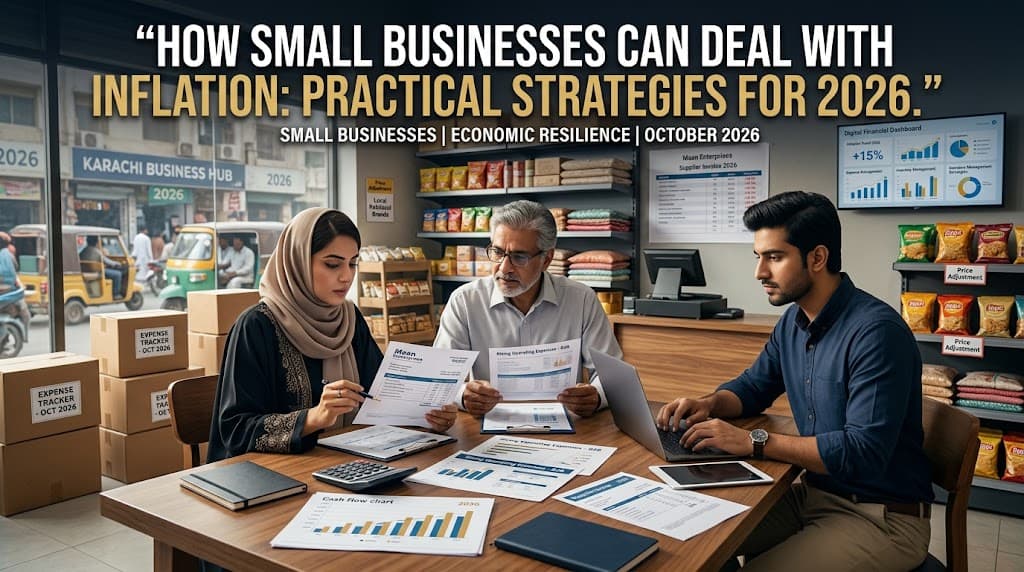
Inflation remains one of the major challenges facing small businesses in 2026. When prices rise across the economy, business owners often pay more for raw materials, inventory, transportation, rent, electricity, and employee wages. At the same time, customers may become more careful with their spending, making it harder for businesses to increase prices without losing sales.
Unlike large corporations, small businesses often have limited financial reserves and less bargaining power with suppliers. Even a modest increase in operating costs can reduce profits and create cash flow problems.
Understanding how inflation affects small businesses is essential for entrepreneurs who want to maintain profitability, protect working capital, and build long-term financial stability. With careful budgeting, strategic pricing, and effective cash flow management, businesses can respond to rising costs and improve their resilience.
What Is Inflation and Why Does It Matter to Small Businesses?
Inflation is the general increase in the prices of goods and services over time. As inflation rises, the purchasing power of money decreases, meaning businesses and consumers must spend more to purchase the same products or services.
For small businesses, inflation affects nearly every part of daily operations. Suppliers may increase prices, landlords may raise rent, utility bills may become more expensive, and employees may request higher wages to keep up with living costs.
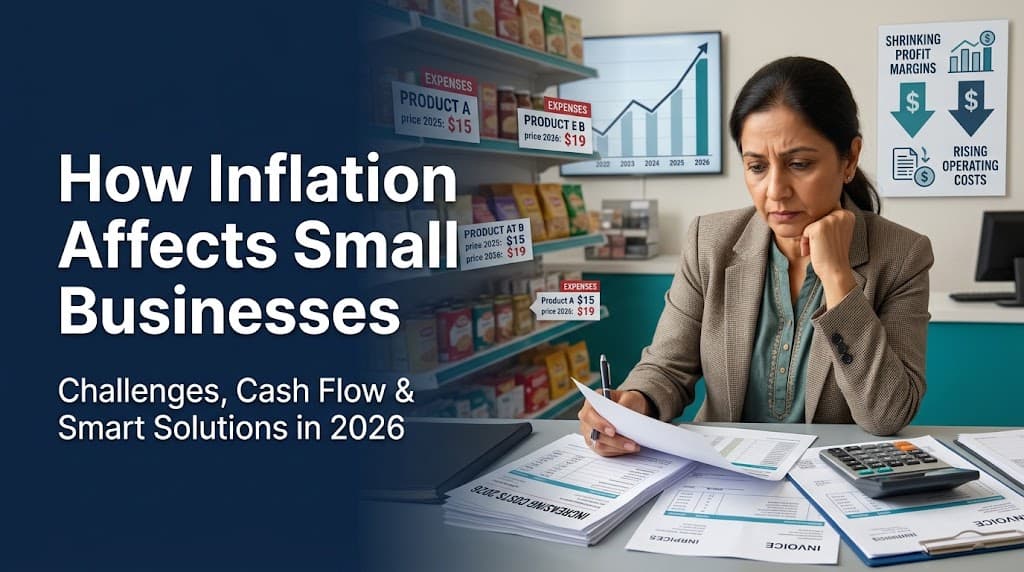
For example, a small grocery store that previously purchased inventory for Rs. 100,000 may need Rs. 115,000 to buy similar stock after a 15% increase in purchasing costs. If the store cannot increase its selling prices or reduce other expenses, its profit margin may shrink.
Inflation does not affect every industry equally. Retailers, restaurants, manufacturers, transport companies, and service providers may experience different levels of pressure depending on their suppliers, customer demand, and operating expenses.
1. Rising Operating Costs Reduce Profit Margins
One of the most immediate effects of inflation is an increase in operating expenses. Small businesses rely on regular purchases of supplies, equipment, packaging, fuel, electricity, and other essential resources.
When these costs rise faster than revenue, businesses earn less profit from each sale.
For example, a bakery may face higher prices for flour, sugar, cooking oil, electricity, and packaging. If it continues selling bread and cakes at the same prices, its profit margin may decline significantly.
Businesses can respond by reviewing supplier contracts, comparing prices, reducing waste, and identifying unnecessary expenses. However, cost-cutting should not damage product quality or customer service.
2. Cash Flow Becomes More Difficult to Manage
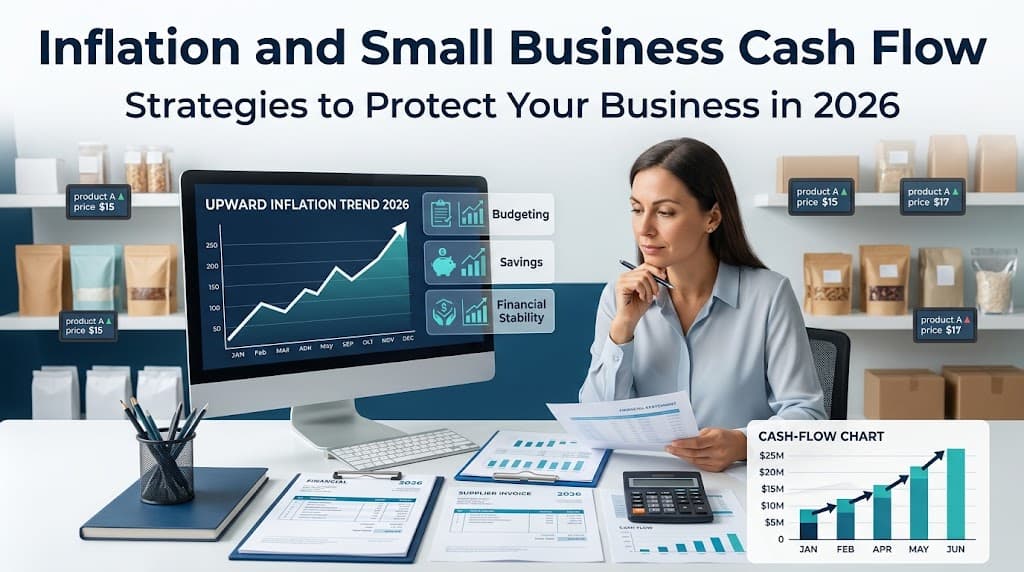
Cash flow is the movement of money into and out of a business. It includes customer payments, supplier invoices, rent, wages, taxes, and other financial obligations.
Inflation can make cash flow management more challenging because businesses need more money to maintain the same level of operations.
A company may remain profitable on paper but still struggle to pay its bills if customers pay late or inventory costs increase before sales revenue arrives.
For example, a retailer may need to pay a supplier immediately to purchase stock but receive revenue gradually over several weeks. If replacement inventory becomes more expensive, the retailer may have insufficient cash to restock its shelves.
To manage this risk, small business owners should prepare regular cash flow forecasts, monitor payment deadlines, follow up on overdue invoices, and maintain an emergency reserve whenever possible.
3. Customers May Reduce Their Spending
Inflation affects consumers as well as businesses. When household expenses increase, customers often have less money available for nonessential purchases.
They may switch to cheaper alternatives, delay buying products, reduce restaurant visits, or cancel subscriptions.
This creates a challenge for businesses that depend on discretionary spending. A clothing boutique, beauty salon, café, or electronics retailer may experience weaker demand even as its own expenses increase.
Businesses can respond by offering products at different price points, introducing practical bundles, improving customer loyalty programs, and communicating the value of their products clearly.
The goal is to help customers continue buying without relying entirely on discounts that weaken profitability.
4. Increasing Supplier and Inventory Costs
Inflation can increase the cost of raw materials, finished products, packaging, and transportation. Suppliers may also change payment terms or require larger minimum orders.
For small businesses, these changes can create difficult decisions. Purchasing inventory in bulk may reduce the unit cost, but it also ties up cash that could be needed for rent, payroll, or other expenses.
Holding too much stock can also increase storage costs and the risk of unsold or outdated products.
Business owners should analyze sales patterns, identify fast-moving items, negotiate with multiple suppliers, and avoid excessive inventory purchases unless the savings justify the financial commitment.
Where possible, maintaining relationships with alternative suppliers can reduce dependence on a single source.
5. Higher Wages and Employee Retention Costs
When living expenses rise, employees may request higher wages to maintain their purchasing power. Small businesses may find it difficult to meet these requests while also paying higher supplier prices and utility bills.
If wages remain unchanged for too long, employees may seek better-paying jobs, leading to recruitment and training costs.
Business owners can review staffing requirements, improve scheduling, automate repetitive administrative tasks, and invest in employee productivity. They should also communicate honestly with employees about business conditions and available compensation options.
Increasing productivity is often more sustainable than making repeated staff cuts that disrupt operations and customer service.
6. Higher Borrowing Costs Can Limit Growth
Some small businesses depend on loans, credit cards, overdrafts, or supplier credit to finance inventory and daily operations.
When borrowing costs increase, businesses with variable-rate debt may face higher repayments. Even when interest rates do not rise, lenders may tighten their lending criteria or businesses may find that their existing credit limits no longer cover increased operating expenses.
This can delay expansion, equipment purchases, hiring, or marketing investment.
Before taking on additional debt, business owners should compare financing costs, review repayment schedules, and estimate whether the investment will generate enough additional cash to justify the expense.
Borrowing should support a clear business need rather than temporarily conceal an unsustainable operating model.
7. Small Businesses May Need to Adjust Prices
Raising prices is one way to respond to inflation, but it requires careful planning.
If a business increases prices too quickly, customers may move to competitors. If it keeps prices unchanged while expenses rise, profitability may suffer.
A sensible pricing strategy begins with understanding the full cost of providing a product or service. Owners should calculate direct costs, overhead expenses, payment fees, delivery charges, and the profit margin required to operate sustainably.
Instead of applying the same increase to every product, businesses can review individual items and identify where modest price changes are justified.
They can also introduce smaller package sizes, optional premium services, or lower-cost alternatives where appropriate. Any changes should be communicated transparently so customers understand what they are paying for.
8. Inflation Makes Financial Planning More Important
Inflation makes historical budgets less reliable because prices and operating requirements can change throughout the year.
A budget created several months earlier may underestimate the cost of inventory, electricity, transportation, insurance, or wages.
Small businesses should review budgets regularly and prepare different financial scenarios.
For example:
Best-case scenario: Sales remain strong and supplier prices rise only slightly.
Expected scenario: Costs increase moderately and sales grow slowly.
Stress scenario: Costs rise sharply while customer demand weakens.
These scenarios help owners identify how much cash they may need, which expenses can be reduced, and when they might need to change pricing or purchasing decisions.
9. Practical Strategies to Protect Small Businesses From Inflation in 2026
Review Expenses Every Month
Examine recurring bills, supplier invoices, subscriptions, delivery charges, and administrative expenses. Look for duplicate services, unused subscriptions, and avoidable waste.
Small savings across several expense categories can improve financial flexibility without reducing product quality.
Improve Cash Flow Forecasting
Prepare a rolling cash flow forecast covering at least the next 8–13 weeks. Estimate when payments will arrive and when expenses are due.
Update the forecast whenever sales change, a major invoice arrives, or a supplier changes prices. This helps business owners identify cash shortages before they become emergencies.
Negotiate With Suppliers
Ask suppliers about volume discounts, more favorable payment terms, scheduled price reviews, or alternative products that meet the same quality standards.
Compare the total cost of purchasing from different suppliers, including shipping, delivery time, reliability, and minimum order quantities.
Review Pricing Strategically
Calculate how rising costs affect each product or service. If price adjustments are necessary, consider gradual changes supported by clear cost calculations rather than arbitrary increases.
Track customer responses and sales volumes after each adjustment.
Reduce Waste and Improve Efficiency
Review production processes, stock management, energy usage, packaging, and staff scheduling. Better planning can reduce waste and lower costs without sacrificing quality.
Digital invoicing, accounting software, and inventory tools may also reduce manual work and improve financial visibility.
Build an Emergency Cash Reserve
Set a realistic savings target based on essential operating expenses. Even a modest reserve can help cover unexpected bills, delayed customer payments, or temporary sales declines.
Build the reserve gradually while meeting essential obligations and avoiding excessive high-cost borrowing.
Strengthen Customer Relationships
Focus on reliable service, consistent quality, transparent pricing, and responsive communication. Repeat customers can provide more predictable revenue and reduce the cost of constantly finding new buyers.
Loyalty programs and relevant product bundles may help retain customers, provided their costs are carefully controlled.
Diversify Revenue Sources
Depending on the business model, owners may explore online sales, delivery services, complementary products, business-to-business contracts, or recurring service packages.
Diversification should be tested carefully. Launching a new revenue stream requires time and money, so businesses should confirm customer demand before making a large investment.
10. How Inflation Affects Small Businesses in Pakistan
Small businesses in Pakistan may face additional pressure from changes in electricity and fuel costs, exchange-rate movements, import prices, financing expenses, and domestic purchasing power.
Businesses that rely on imported machinery, raw materials, packaging, or finished goods may experience higher costs when the Pakistani rupee weakens against relevant foreign currencies. Transport-intensive businesses may also be affected by changes in fuel prices.
Retail shops, small manufacturers, restaurants, online sellers, and home-based businesses may have limited room to absorb these increases.
Practical steps include:
Tracking local supplier prices and utility bills.
Reviewing product margins whenever major costs change.
Keeping accurate records of sales, purchases, and outstanding payments.
Avoiding unnecessary stock purchases that tie up working capital.
Comparing financing options carefully before borrowing.
Offering products at different price points to serve customers with different budgets.
Business owners should monitor official economic releases and current market prices rather than relying on outdated inflation estimates. Inflation rates and individual business costs can change at different speeds.
11. Common Inflation Management Mistakes to Avoid
Some responses to inflation can create additional financial problems.
Cutting essential expenses: Reducing maintenance, quality control, or customer support too aggressively may increase long-term costs.
Raising every price equally: Different products have different cost structures and levels of customer sensitivity.
Buying excessive inventory: Bulk purchases can create cash shortages if products sell slowly.
Ignoring overdue invoices: Delayed collections can leave a business unable to cover routine expenses.
Using expensive debt without a plan: High borrowing costs can make existing cash flow problems worse.
Failing to review financial records: Without updated figures, owners may not recognize shrinking margins until the problem becomes serious.
A better approach combines regular financial reviews, careful decisions, and early action when warning signs appear.
12. Key Financial Indicators Small Business Owners Should Monitor
To understand the effects of inflation, owners should monitor a small set of practical financial indicators.
Financial indicator | Why it matters |
|---|---|
Gross profit margin | Shows how much remains after direct product or service costs |
Operating expenses | Reveals how quickly overhead costs are increasing |
Cash balance | Shows available money for immediate obligations |
Accounts receivable | Tracks money customers still owe |
Inventory turnover | Helps identify slow-moving stock |
Break-even sales | Estimates the sales level needed to cover costs |
Debt repayment obligations | Shows how much cash is committed to borrowing |
Reviewing these indicators monthly can help business owners spot problems early and make informed decisions about prices, expenses, inventory, and financing.
Conclusion
Inflation affects small businesses through rising operating costs, weaker purchasing power, changing customer behavior, tighter cash flow, and pressure on profit margins. These challenges can be particularly difficult for businesses with limited reserves or little ability to negotiate with suppliers.
However, inflation does not automatically mean a business must lose money or stop growing. Owners can strengthen their position by monitoring costs, improving cash flow forecasting, negotiating supplier terms, adjusting prices carefully, reducing waste, and maintaining financial reserves.
In 2026, small businesses that make decisions based on accurate financial information and respond early to changing conditions will be better prepared to manage uncertainty. The key is to protect cash flow while continuing to deliver value to customers.
Frequently Asked Questions (FAQs)
1. How does inflation affect small businesses?
Inflation increases the cost of supplies, inventory, wages, transportation, utilities, and other operating expenses. It can reduce profit margins, create cash flow difficulties, and weaken customer demand when household purchasing power falls.
2. Why is inflation especially challenging for small businesses?
Small businesses often have smaller cash reserves, less bargaining power with suppliers, and fewer financing options than large companies. This can make it harder to absorb sudden increases in costs.
3. How does inflation affect small business cash flow?
Businesses may need to spend more money on inventory and everyday expenses before receiving revenue from customers. This increases working capital requirements and can create cash shortages.
4. Does inflation always reduce business profits?
No. Inflation can reduce profits when expenses rise faster than revenue, but businesses may protect or improve profitability through appropriate pricing, efficiency improvements, cost control, and strong demand.
5. How can small businesses protect themselves from inflation in 2026?
They can forecast cash flow, review budgets regularly, negotiate with suppliers, manage inventory carefully, reduce waste, assess prices, and build an emergency reserve.
6. Should small businesses increase prices during inflation?
Price increases may be necessary when operating costs rise. However, owners should assess product costs, competitor pricing, customer demand, and profit margins before making changes.
7. How can small businesses reduce costs without lowering quality?
They can negotiate supplier agreements, improve inventory planning, reduce energy waste, automate repetitive tasks, review subscriptions, and improve staff scheduling.
8. What is the relationship between inflation and profit margins?
When input costs increase, profit margins may shrink if selling prices remain unchanged. Businesses need to monitor their costs and pricing to preserve sustainable margins.
9. How does inflation affect customer spending?
Higher living costs leave many consumers with less money for discretionary purchases. They may choose cheaper alternatives, delay purchases, or reduce spending on nonessential products and services.
10. How can businesses manage rising inventory costs?
Businesses can forecast demand, prioritize fast-moving products, compare suppliers, negotiate payment terms, and avoid ordering more inventory than they can reasonably sell.