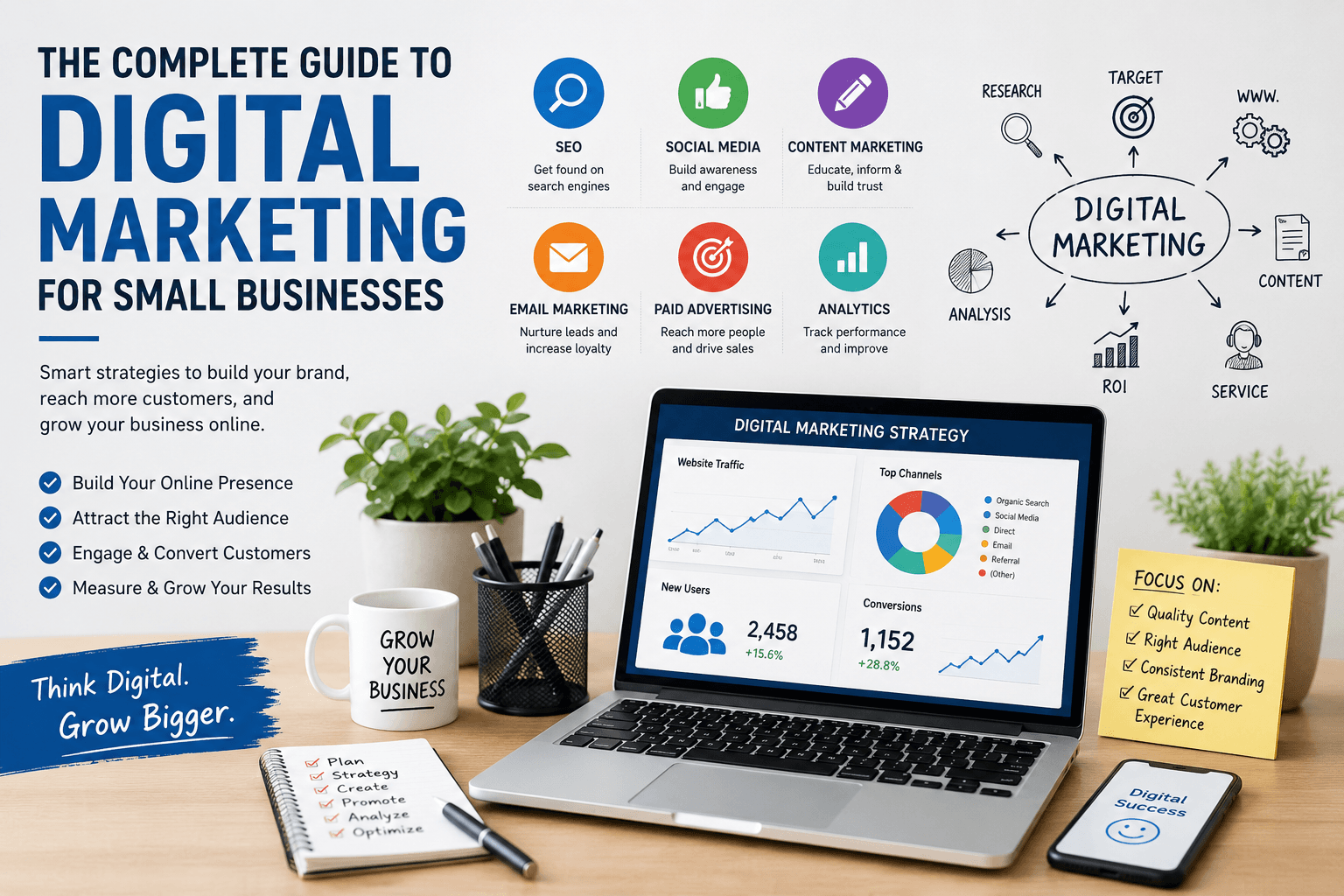

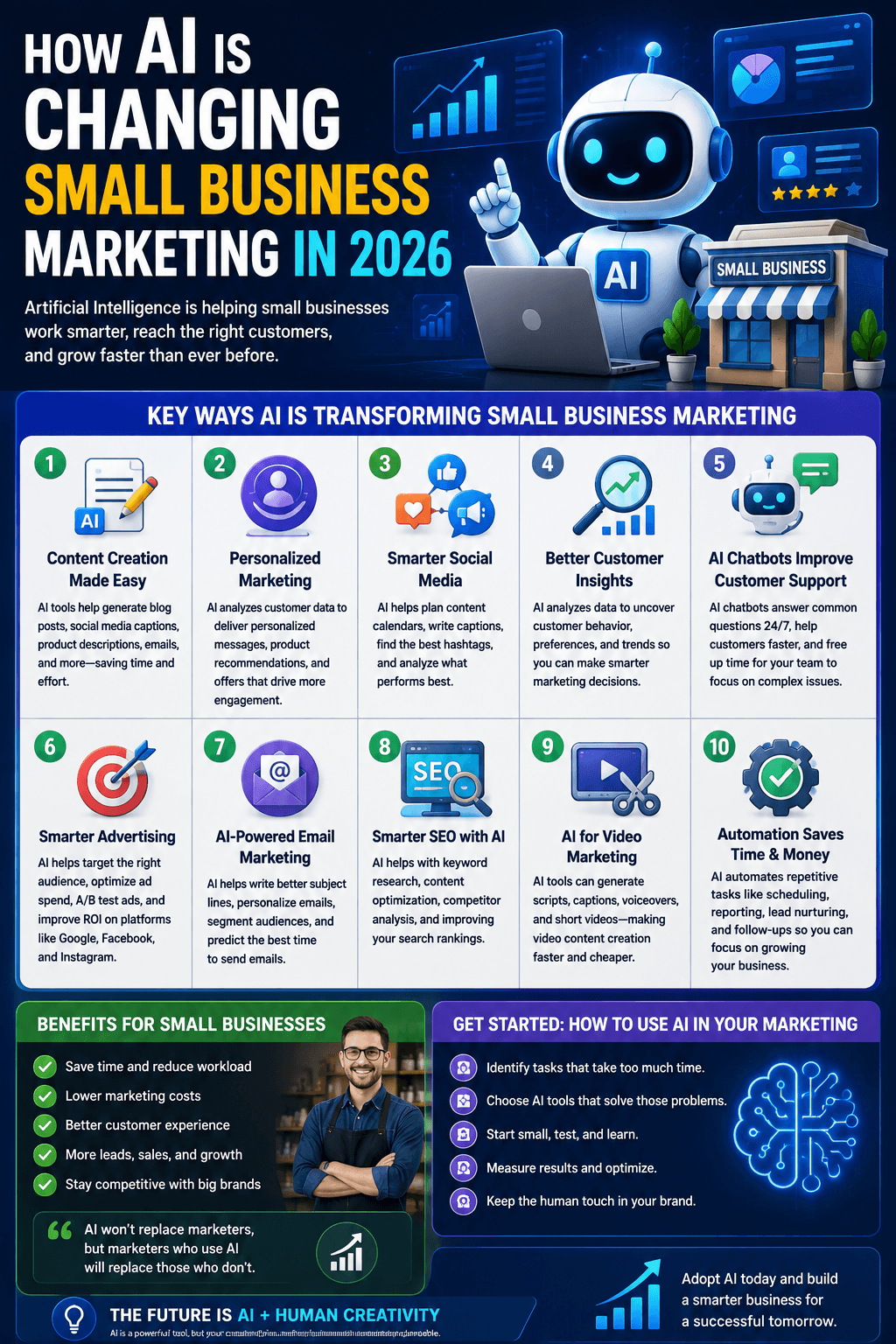
Building a strong online brand is one of the most important steps for businesses that want to succeed in today’s digital marketplace. Whether you are launching a small business, personal brand, online store, or professional service, your online presence can strongly influence how customers perceive and remember you.
A successful brand is more than a logo or attractive website. It is the combination of your identity, message, visual style, customer experience, reputation, and the value you provide. With the right strategy, even a new business can establish a recognizable and trustworthy online brand.
What Is an Online Brand?
An online brand is the identity your business develops across the internet. It includes everything customers experience when they interact with your business digitally.
This can include:
Your website
Logo and visual identity
Social media profiles
Content
Brand voice
Online reviews
Customer service
Email communication
Advertising
Search engine presence
A strong online brand creates a consistent impression across different platforms.
Why Is Online Branding Important?
Customers often research a business online before making a purchase or contacting the company. A professional and consistent online presence can help establish credibility.
Strong branding can help businesses:
Build customer trust
Stand out from competitors
Increase brand recognition
Attract the right audience
Create customer loyalty
Communicate their value clearly
Support long-term business growth
For small businesses, branding can be particularly valuable because it helps create a professional identity even when competing against larger companies.
1. Define Your Brand Purpose
Before designing a logo or creating social media profiles, determine what your brand represents.
Ask yourself:
What does my business offer?
What problem does it solve?
Who does it help?
Why should customers choose it?
What values guide the business?
What makes the business different?
Your answers can become the foundation of your brand strategy.
For example, a business might focus on affordability, innovation, convenience, sustainability, premium quality, or exceptional customer service.
2. Identify Your Target Audience
A brand cannot effectively communicate with everyone.
Identify the people most likely to need your products or services.
Consider factors such as:
Age group
Location
Interests
Needs
Buying behavior
Budget
Common problems
Preferred online platforms
Understanding your audience helps you create better messaging and content.
A brand targeting young professionals, for example, may use a different communication style from a business serving corporate executives.
3. Create a Memorable Brand Name
Your brand name should be easy to remember, pronounce, and associate with your business.
When choosing a name, consider:
Simplicity
Relevance
Memorability
Availability
Future growth
Check whether the name is available as a website domain and on important social media platforms.
Avoid choosing a name that is too restrictive if you may expand your products or services in the future.
4. Design a Consistent Visual Identity
Your visual identity is one of the first things people notice.
It can include:
Logo
Brand colors
Fonts
Photography style
Graphics
Icons
Design layouts
Consistency matters more than complexity.
Use a recognizable visual style across your website, social media profiles, marketing materials, and other customer touchpoints.
5. Develop a Clear Brand Voice
Your brand should sound consistent as well as look consistent.
Your brand voice determines how you communicate with customers.
For example, a brand can be:
Professional
Friendly
Educational
Casual
Inspirational
Premium
Innovative
Choose a tone that fits both your audience and your business.
A technology company may use a knowledgeable and modern tone, while a lifestyle brand may communicate in a more relaxed and conversational way.
6. Build a Professional Website
Your website is often the central hub of your online brand.
It should clearly communicate:
Who you are
What you offer
Who you serve
Why customers should trust you
How customers can contact or buy from you
Important pages may include:
Home
About
Products or Services
Contact
FAQs
Blog
Testimonials
Make sure the website is mobile-friendly, fast, secure, and easy to navigate.
7. Establish a Social Media Presence
Social media can help businesses reach potential customers and build relationships.
Choose platforms based on where your audience spends time instead of trying to maintain accounts everywhere.
Your profiles should use consistent:
Brand name
Logo
Profile image
Description
Colors
Messaging
Publish content that provides value rather than constantly promoting products.
8. Create Valuable Content
Content marketing can help establish your brand as a useful source of information.
Depending on your industry, you can create:
Blog posts
Videos
Tutorials
Guides
Infographics
Case studies
Podcasts
Social media posts
FAQs
For example, a digital marketing company could publish SEO guides, while a clothing brand could create fashion tips and styling content.
The goal is to answer customer questions and demonstrate expertise.
9. Tell Your Brand Story
People often connect with stories more easily than advertisements.
Your brand story can explain:
Why the business was created
What inspired the founders
Problems the company wants to solve
Challenges overcome
Values behind the business
A genuine story can make a brand feel more human and memorable.
Avoid creating an exaggerated story simply for marketing purposes. Authenticity is more valuable in the long term.
10. Build Trust Through Social Proof
Customers are more likely to trust businesses that have evidence of satisfied customers.
Useful forms of social proof include:
Customer reviews
Testimonials
Case studies
Ratings
User-generated content
Industry recognition
Client logos where appropriate
Always use genuine reviews and testimonials. Fake reviews can seriously damage a brand’s reputation.
11. Optimize Your Brand for Search Engines
SEO helps people discover your brand when they search online.
Optimize your website around topics and keywords relevant to your business.
Important SEO elements include:
Useful content
Descriptive page titles
Meta descriptions
Internal links
Mobile optimization
Fast loading pages
Clear website structure
Relevant backlinks
Creating helpful content around customer questions can gradually increase your visibility in search results.
12. Be Consistent Across Every Platform
One of the most common branding mistakes is inconsistency.
Your business should look and sound recognizable across:
Website
Instagram
Facebook
LinkedIn
YouTube
Email
Advertising
Business directories
Customers should be able to recognize that all these profiles belong to the same business.
Create simple brand guidelines that document your logo usage, colors, fonts, tone, and messaging.
13. Focus on Customer Experience
Branding does not stop when someone purchases from you.
Customer experience plays a major role in how people remember a brand.
Focus on:
Fast communication
Helpful support
Clear pricing
Easy purchasing
Reliable delivery
Simple returns
Professional follow-up
A business with excellent branding but poor customer service will struggle to build long-term loyalty.
14. Use Email Marketing
Email is an effective way to maintain relationships with customers.
Businesses can use email to share:
Newsletters
Product updates
Educational content
Special offers
New launches
Personalized recommendations
Keep emails useful and relevant. Avoid sending excessive promotional messages that may cause subscribers to disengage.
15. Collaborate With Relevant Creators
Partnerships with relevant creators or industry experts can help introduce your brand to new audiences.
When choosing collaborators, focus on:
Audience relevance
Credibility
Content quality
Engagement
Brand alignment
A smaller creator with a highly relevant audience may be more valuable than a large account with little connection to your target market.
16. Protect Your Online Reputation
Your online reputation can significantly affect customer decisions.
Monitor mentions, reviews, and customer feedback across relevant platforms.
When someone raises a legitimate concern, respond professionally and attempt to resolve the issue.
Do not engage in unnecessary arguments online. A calm and helpful response can demonstrate professionalism to both the customer and everyone else viewing the conversation.
17. Measure Brand Performance
Brand-building takes time, so track meaningful indicators.
You can monitor:
Website traffic
Direct searches for your brand
Social media engagement
Follower growth
Email subscribers
Customer reviews
Leads
Sales
Returning customers
You can also ask customers how they discovered your business and what influenced their decision to choose you.
Common Online Branding Mistakes
Copying Competitors
Your brand should have its own identity rather than simply imitating another company.
Changing Your Identity Too Often
Constantly changing logos, colors, messaging, or positioning can make a brand difficult to recognize.
Focusing Only on Appearance
A beautiful logo cannot compensate for poor products or customer service.
Posting Without a Strategy
Random social media posts may generate activity without producing meaningful business results.
Ignoring Negative Feedback
Unanswered customer complaints can damage trust. Address legitimate concerns professionally.
Trying to Appeal to Everyone
A clearly defined target audience usually makes branding and marketing more effective.
How Long Does It Take to Build a Strong Brand?
Brand recognition rarely develops overnight.
New businesses may need months or years of consistent communication and customer experiences before becoming widely recognized.
The timeline depends on factors such as:
Industry
Competition
Marketing investment
Product quality
Content strategy
Audience size
Consistency
The important thing is to build steadily rather than expecting immediate recognition.
A Simple Online Branding Strategy
If you are starting from scratch, follow a simple process:
Step 1: Define your purpose and values.
Step 2: Identify your target audience.
Step 3: Choose a memorable brand name.
Step 4: Create your visual identity.
Step 5: Develop your brand voice.
Step 6: Build a professional website.
Step 7: Establish relevant social media profiles.
Step 8: Publish useful content consistently.
Step 9: Collect genuine customer reviews.
Step 10: Measure results and improve your strategy.
Final Thoughts
Building a strong online brand is a long-term investment. It requires more than an attractive logo or an active social media account.
Successful brands combine a clear purpose, recognizable visual identity, consistent communication, useful content, excellent customer experiences, and genuine trust.
Start with a clear understanding of your audience and what makes your business valuable. Then build a consistent presence across your website, search engines, social platforms, email, and other relevant channels.
With patience and consistency, a small business can develop a recognizable online identity, earn customer trust, and create a foundation for sustainable growth.