
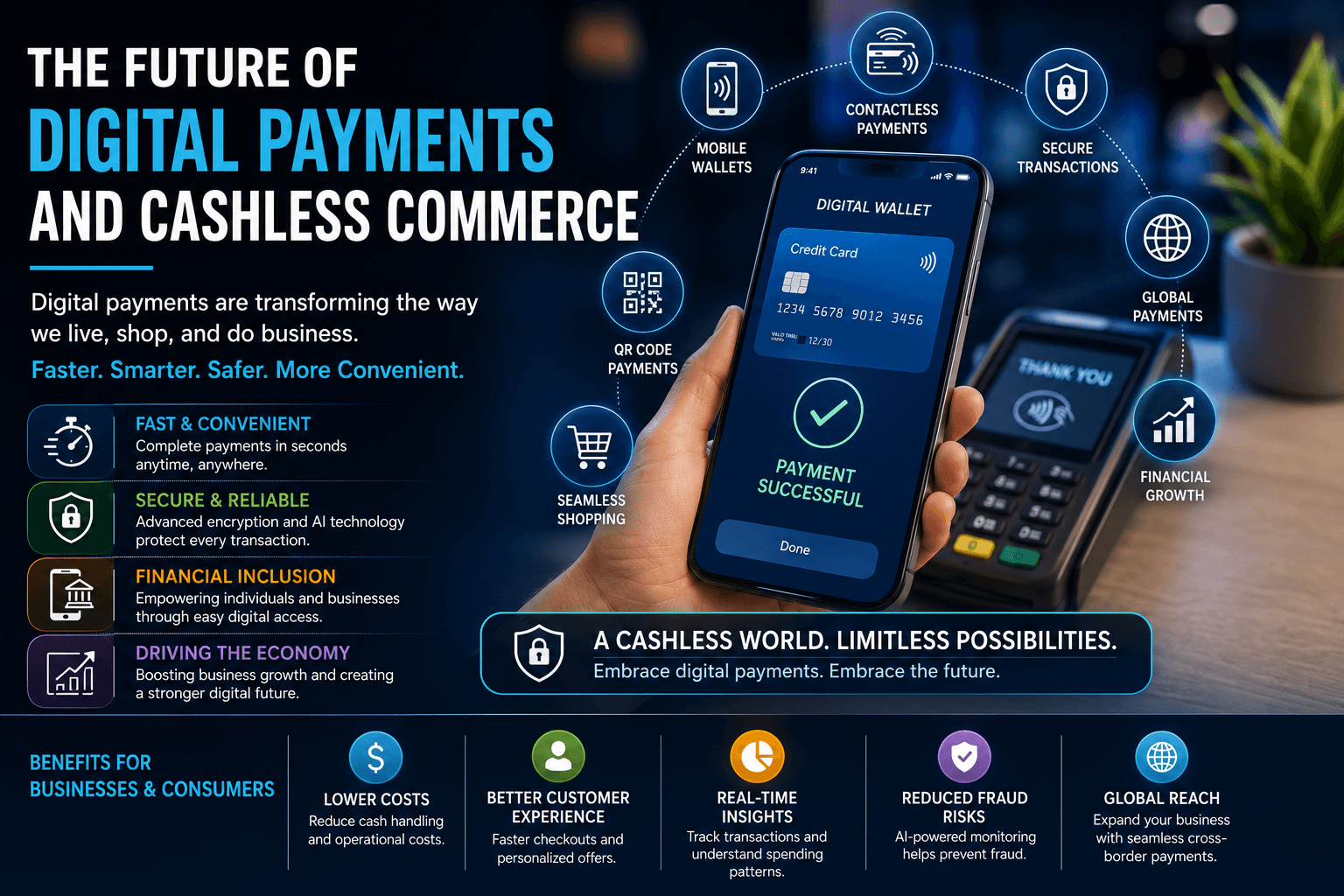
The launch of the State Bank of Pakistan’s Raast instant payment system has dramatically changed the financial landscape for micro, small, and medium enterprises (MSMEs). As financial institutions push for digital inclusion, commercial banking platforms emphasize that Raast P2P (Person-to-Person) transfers remain entirely free of cost. For a bootstrapped startup or a small retail vendor, saving on traditional Inter Bank Fund Transfer (IBFT) fees on every invoice is a significant boost to net margins.
However, many growing business owners make a critical operational mistake: they commercialize personal Raast accounts to handle daily corporate transaction volumes. While the platform itself does not charge fees, continuously running corporate revenues through informal P2P rails can trigger severe automated compliance penalties, transaction velocity flags, and account freezes.
To safeguard corporate cash flow, small enterprises must understand how to standardize their digital payment workflows correctly.
P2P vs. P2M: The Structural Boundaries of Raast
The Raast ecosystem is divided into distinct operational tiers designed for different financial behaviors.
• Raast P2P (Person-to-Person): Built strictly for individual use, allowing users to link their Mobile Number or National Identity Card (CNIC) as a Raast Alias for instant, free transfers.
• Raast P2M (Person-to-Merchant): Built explicitly for commercial entities, enabling retail businesses, e-commerce stores, and corporate services to accept digital payments seamlessly via dynamic QR codes, merchant aliases, and standardized APIs.
The core problem arises when a small business treats a personal P2P alias as a permanent merchant setup. Commercial banking algorithms monitor account behavior rather than just the type of registry. If a personal account suddenly begins receiving dozens of low-value inbound transfers daily from completely unrelated CNICs, the banking backend marks the pattern as anomalous.
3 Hidden Pitfalls of Using Personal Raast Accounts for Business Sales
- Automated Transaction Velocity Flags
Commercial banks are legally mandated to enforce strict Anti-Money Laundering (AML) and Counter-Terrorism Financing (CFT) regulations. Personal accounts are expected to show personal financial behavior—such as monthly salaries, utility payments, and casual family transfers. High-frequency inbound velocity from unique, non-linked senders flags the account for "unauthorized commercial activity," which can lead to immediate compliance locks without warning.
- SBP Daily and Monthly Velocity Threshold Restrictions
Personal accounts come with predefined daily and monthly debit and credit limits imposed by the State Bank of Pakistan (SBP) and individual bank policies. Hitting these transaction ceilings in the middle of a busy sales week will freeze your incoming revenue stream. Unlocking these limits typically requires visiting a physical branch and presenting corporate registry documents, leaving your business cash-strapped during the verification period.
- Reconciliation Crises and Data Isolation
When customers send money to a personal Raast alias, the payment description field is often left blank or filled with generic text like "Funds Transfer". For a business handling twenty or thirty orders a day, matching these arbitrary bank notifications against physical stock orders becomes an administrative nightmare. Data isolation slows down order fulfillment and increases customer friction.
The FBR Alignment: Tax Tracking & Merchant Audits
Operating a business through personal digital channels creates severe complications during tax season. The Federal Board of Revenue (FBR) is increasingly monitoring bank account flows to track undocumented retail sales.
When a personal bank statement shows massive, unexplained inbound turnover that does not align with the individual's declared income tax returns, it triggers automated income tax audits. Standardizing your business payments via formal commercial account setups ensures that your digital sales footprint matches your corporate financial declarations, protecting your enterprise from sudden regulatory penalties.
Step-by-Step Roadmap: Transitioning Your Startup Safely
Transitioning to a secure, professional financial workflow does not require a large budget. Small enterprises can protect their operations by executing three straightforward steps:
-
Acquire a Corporate or Sole Proprietor IBAN: Do not mix personal funds with business revenue. Upgrade your banking tier to a formal Business Account or a Sole Proprietor account using your business name and National Tax Number (NTN).
-
Transition to Raast P2M Frameworks: Speak with your commercial bank provider about registering for an official merchant tier. This allows you to generate official business QR codes and payment aliases that can handle high volume seamlessly without compliance penalties.
-
Enforce Clean Transaction References: Instruct clients to use specific invoice numbers in the Raast transfer reference field. This simple habit ensures transparent record-keeping for both internal bookkeeping and external tax audits.
Conclusion: Safeguarding Corporate Cash Flow
Raast is one of the most powerful tools available to Pakistani entrepreneurs, offering an elite alternative to fee-heavy interbank options. However, the key to scaling a business lies in professional compliance. By moving away from personal P2P accounts and standardizing commercial collections through formal business payment structures, small enterprises can eliminate transaction risk, satisfy regulatory audits, and ensure their cash flow remains uninterrupted.