
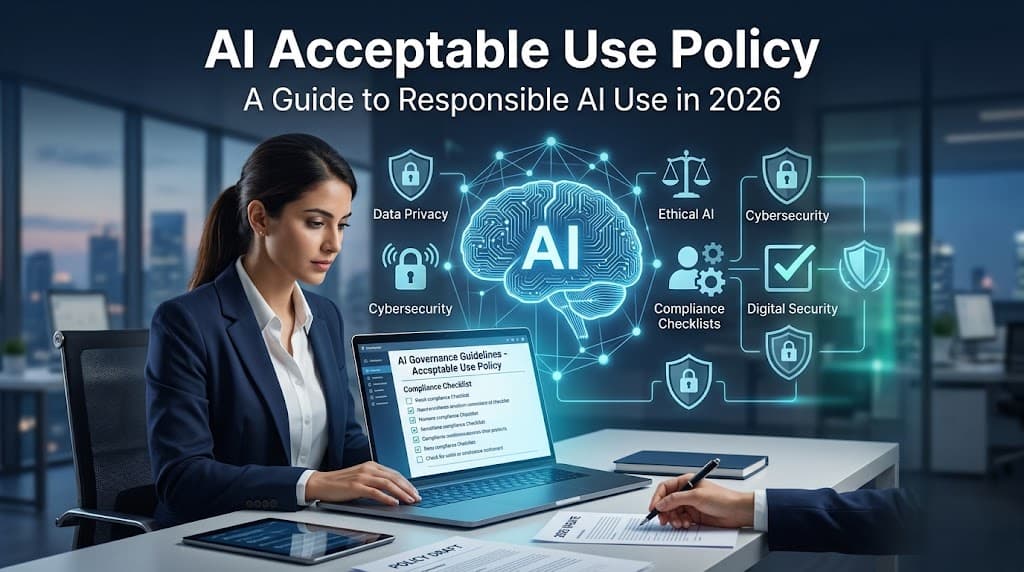
Artificial intelligence is entering a new phase. After years of using AI primarily for predictions, chatbots, and content generation, businesses are now embracing Agentic AI—a new generation of intelligent systems capable of making decisions, planning tasks, collaborating with other AI agents, and completing complex workflows with minimal human intervention.
Unlike traditional AI tools that wait for user instructions, Agentic AI can independently analyze objectives, determine the best course of action, execute multiple tasks, and continuously improve its performance. This shift is transforming how organizations operate, but it also introduces new infrastructure requirements.
Many enterprises are discovering that their existing IT environments were never designed to support autonomous AI systems. Modern AI agents require scalable cloud computing, high-performance GPUs, real-time data processing, secure APIs, and intelligent orchestration platforms. Without these capabilities, organizations may struggle to unlock the full potential of Agentic AI.
What Is Agentic AI?
Agentic AI refers to autonomous artificial intelligence systems that can reason, plan, make decisions, and execute tasks on behalf of users or organizations. Instead of responding to a single prompt, AI agents can work toward larger goals by breaking them into smaller steps and coordinating actions across multiple systems.
For example, an AI sales agent can analyze customer data, prepare personalized proposals, schedule meetings, follow up with leads, and update the CRM automatically. A finance agent can monitor expenses, detect anomalies, generate reports, and recommend cost-saving opportunities without waiting for manual instructions.
This ability to act independently makes Agentic AI one of the most significant technology trends of 2026.
Why Businesses Are Investing in Agentic AI
Organizations across industries are investing heavily in Agentic AI because it improves productivity, reduces operational costs, and enables faster decision-making.
Key drivers include:
Business process automation
Rising labor costs
Demand for real-time insights
Faster customer service
Increased operational efficiency
Better data-driven decision-making
Continuous business operations
By automating repetitive and complex workflows, AI agents allow employees to focus on strategic and creative tasks.
How Agentic AI Differs from Traditional AI
Traditional AI typically performs one task at a time, such as generating text, recognizing images, or predicting outcomes.
Agentic AI goes much further by:
Planning multi-step workflows
Making autonomous decisions
Learning from previous actions
Coordinating with other AI agents
Using external software and APIs
Monitoring results and adjusting strategies
Instead of simply answering questions, Agentic AI becomes an active participant in business operations.
Infrastructure Challenges
Although Agentic AI offers enormous benefits, it also places significant demands on enterprise infrastructure.
High-Performance Computing
Autonomous AI systems continuously process large volumes of information.
Organizations require:
GPU clusters
AI accelerators
High-memory servers
Distributed computing
Low-latency networking
Without sufficient computing power, AI agents may become slow or unreliable.
Cloud-Native Architecture
Most enterprises are moving Agentic AI workloads to cloud environments because cloud platforms provide flexible scalability and high availability.
Cloud infrastructure enables businesses to deploy thousands of AI agents simultaneously while paying only for the resources they use.
Data Integration
AI agents rely on accurate and accessible data.
Organizations must integrate data from:
CRM systems
ERP software
Cloud storage
Business intelligence platforms
Customer databases
Financial systems
IoT devices
Unified data infrastructure allows AI agents to make informed decisions.
Security and Governance
As AI agents gain greater autonomy, cybersecurity and governance become increasingly important.
Businesses should implement:
Identity and access management
Zero Trust security
Data encryption
Continuous monitoring
Audit logging
AI governance frameworks
Compliance monitoring
Strong governance ensures AI systems operate responsibly while protecting sensitive information.
Business Applications of Agentic AI
Customer Service
AI agents provide 24/7 customer support, resolve issues, process refunds, and escalate complex cases when necessary.
Sales
Sales agents identify prospects, qualify leads, generate proposals, schedule meetings, and maintain customer relationships.
Human Resources
HR teams use AI agents to screen resumes, schedule interviews, onboard employees, and answer policy questions.
Finance
Financial AI agents automate budgeting, forecasting, fraud detection, expense management, and compliance reporting.
Supply Chain
AI agents monitor inventory, predict demand, optimize logistics, and respond automatically to supply chain disruptions.
Benefits of Agentic AI
Organizations implementing Agentic AI experience numerous advantages:
Increased productivity
Faster business decisions
Reduced operational costs
Continuous automation
Improved customer satisfaction
Better resource utilization
Enhanced scalability
Stronger competitive advantage
Higher employee efficiency
Greater innovation
These benefits make Agentic AI a strategic investment for modern enterprises.
Challenges Businesses Must Address
Despite its advantages, Agentic AI introduces several challenges.
Data Privacy
AI agents often access sensitive customer and business information, making robust privacy controls essential.
Infrastructure Costs
Deploying autonomous AI requires investments in computing hardware, cloud services, networking, and storage.
Skills Gap
Organizations need professionals with expertise in AI engineering, cloud computing, cybersecurity, and data science.
Governance
Clear policies are necessary to define how AI agents make decisions and ensure accountability.
The Future of Agentic AI
Agentic AI is expected to become a core component of enterprise operations over the next decade.
Future developments may include:
Autonomous digital employees
AI-powered executive assistants
Self-managing IT infrastructure
Intelligent manufacturing systems
Collaborative multi-agent ecosystems
AI-driven business strategy platforms
As technology advances, AI agents will become more capable, secure, and deeply integrated into everyday business processes.
Conclusion
Agentic AI represents a major evolution in artificial intelligence. Rather than simply assisting employees, autonomous AI agents can perform complex tasks, coordinate workflows, and make intelligent decisions that improve productivity and efficiency.
However, realizing these benefits requires modern infrastructure, secure cloud platforms, scalable computing resources, and effective governance. Organizations that invest in these foundations today will be well-positioned to thrive in the AI-driven economy of tomorrow.
Businesses that embrace Agentic AI in 2026 are not just adopting another technology—they are redefining how work gets done.
Frequently Asked Questions
What is Agentic AI?
Agentic AI refers to autonomous AI systems capable of planning, making decisions, and executing tasks with minimal human intervention.
How is Agentic AI different from traditional AI?
Traditional AI responds to prompts, while Agentic AI can independently plan workflows, collaborate with other systems, and complete complex objectives.
Why do businesses need new infrastructure for Agentic AI?
Agentic AI requires high-performance computing, cloud-native architecture, secure data integration, and scalable infrastructure to operate efficiently.
Image Alt Text:
Futuristic business environment showing autonomous AI agents, cloud infrastructure, interconnected digital networks, and enterprise dashboards powering intelligent business automation in 2026.