
Introduction
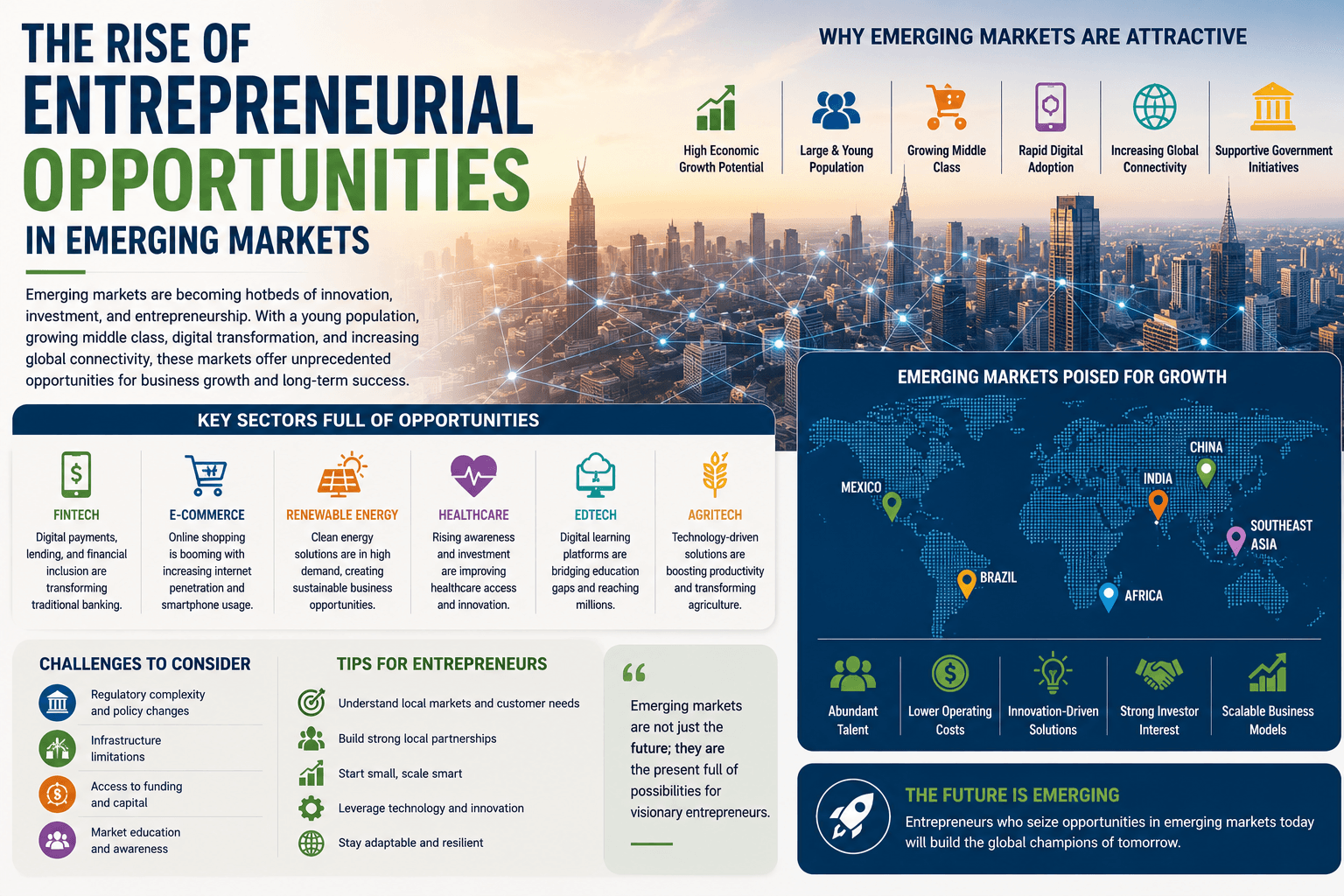
Entrepreneurship is no longer concentrated in the world's largest economies. Across Asia, Africa, Latin America, the Middle East, and parts of Eastern Europe, emerging markets are becoming powerful engines of innovation and business growth. Rapid digital transformation, expanding internet access, growing middle-class populations, and supportive government policies are creating an environment where startups and small businesses can thrive.
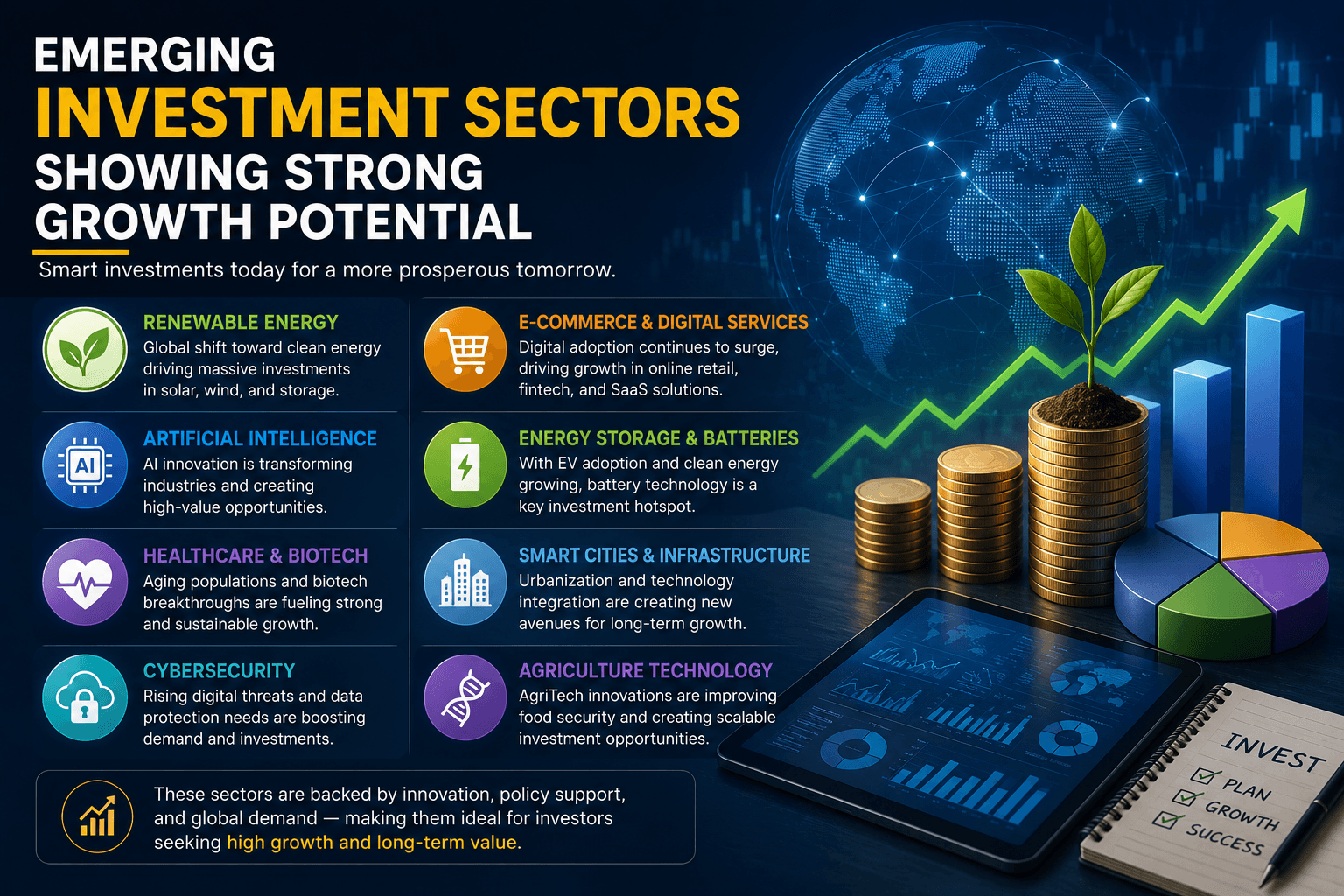
For entrepreneurs and investors, these markets represent significant opportunities to solve real-world problems while building scalable and profitable businesses. From fintech and e-commerce to renewable energy, healthcare, and agricultural technology, emerging markets are producing innovative companies that compete on both regional and global levels.
As technology continues to reduce barriers to entry, entrepreneurship in emerging markets is expected to play an increasingly important role in shaping the future of the global economy.
What Are Emerging Markets?
Emerging markets are countries experiencing rapid economic growth, industrial development, and increasing integration into the global economy. While they may not yet have the economic maturity of developed nations, they often demonstrate higher growth potential and expanding consumer demand.
Common characteristics of emerging markets include:
Rapid urbanization
Growing middle-class populations
Increasing smartphone and internet adoption
Expanding digital payment systems
Rising foreign investment
Young and entrepreneurial workforces
These factors create fertile ground for startups and businesses seeking long-term growth opportunities.
Why Entrepreneurship Is Growing in Emerging Markets
Several economic and technological trends are fueling entrepreneurship across developing economies.
One major driver is digital accessibility. Affordable smartphones and expanding internet connectivity allow entrepreneurs to launch online businesses with relatively low startup costs. Cloud computing, digital marketing, and e-commerce platforms have made it easier than ever to reach customers locally and internationally.
Another important factor is the growing demand for innovative solutions. Many emerging markets still face challenges in healthcare, education, transportation, agriculture, and financial services. Entrepreneurs are creating businesses that address these gaps while generating sustainable revenue.
Government initiatives, startup incubators, and international investment programs are also encouraging innovation by providing funding, mentorship, and business support.
Digital Transformation Is Creating New Business Models
Digital transformation has dramatically changed how businesses operate in emerging markets.
Today, entrepreneurs can build companies without investing heavily in physical infrastructure. Instead, they rely on digital platforms, cloud-based software, online marketplaces, and mobile applications to serve customers efficiently.
Examples include:
Online education platforms
Digital consulting services
Software-as-a-Service (SaaS) businesses
Mobile marketplaces
Remote work platforms
Subscription-based digital products
These technology-driven models allow startups to scale quickly while reducing operational costs.
As internet access continues to improve, digital entrepreneurship will remain one of the strongest drivers of economic development.
Fintech Is Expanding Financial Inclusion
Financial technology, commonly known as fintech, has become one of the fastest-growing sectors in emerging markets.
Millions of people in developing economies have historically lacked access to traditional banking services. Entrepreneurs are solving this challenge by introducing innovative financial solutions such as:
Mobile banking applications
Digital wallets
Peer-to-peer payment platforms
Online lending services
AI-powered credit scoring
International remittance platforms
These innovations are making financial services more accessible, affordable, and efficient for individuals and businesses alike.
Fintech startups are also attracting significant venture capital investment due to their strong growth potential.
E-Commerce Continues to Expand
Consumer shopping habits are changing rapidly across emerging markets.
As internet penetration increases, more customers are purchasing products online rather than visiting traditional retail stores.
This creates opportunities for entrepreneurs in:
Online retail
Social commerce
Direct-to-consumer brands
Cross-border e-commerce
Last-mile delivery
Digital payment services
Small businesses can now reach national and international audiences through online marketplaces without investing heavily in physical storefronts.
The continued growth of digital commerce is expected to create millions of new business opportunities over the coming years.
Renewable Energy Offers Long-Term Business Potential
Energy demand continues to grow across emerging economies, making renewable energy one of the most promising entrepreneurial sectors.
Businesses are developing innovative solutions including:
Solar energy installations
Wind energy projects
Battery storage systems
Energy-efficient technologies
Electric vehicle charging infrastructure
Waste recycling solutions
Renewable energy startups not only generate commercial value but also contribute to environmental sustainability and energy security.
Governments and international investors increasingly support clean energy projects through grants, partnerships, and financing programs.
Healthcare Innovation Is Improving Access
Healthcare systems in many emerging markets continue to face resource constraints, creating opportunities for entrepreneurs to introduce affordable and accessible solutions.
Technology is transforming healthcare through innovations such as:
Telemedicine platforms
Mobile health applications
Digital patient records
AI-assisted diagnostics
Wearable health devices
Online pharmacy services
These solutions help improve healthcare access, particularly in rural and underserved communities.
Healthcare technology is expected to remain one of the fastest-growing industries as demand for quality medical services continues to rise.
AgriTech Is Modernizing Agriculture
Agriculture remains a major contributor to many emerging economies, yet farmers often face challenges related to productivity, climate change, and market access.
AgriTech startups are using technology to improve farming efficiency through:
Smart irrigation systems
Precision agriculture
Drone-based crop monitoring
Weather forecasting tools
Farm management software
Digital marketplaces connecting farmers with buyers
These innovations increase productivity while reducing costs and environmental impact.
As global food demand grows, agricultural technology will become increasingly important for sustainable development.
Young Entrepreneurs Are Driving Innovation
Many emerging markets have young populations with growing digital skills and entrepreneurial ambitions.
This generation is highly adaptable and comfortable using technology to solve business challenges.
Young entrepreneurs are launching startups in industries including:
Artificial intelligence
Digital marketing
Cybersecurity
Software development
E-commerce
Online education
Creative industries
Their ability to identify local problems and develop scalable digital solutions is accelerating innovation across multiple sectors.
Government Support Strengthens Startup Ecosystems
Recognizing the economic value of entrepreneurship, many governments are implementing policies to encourage startup growth.
Support often includes:
Startup grants
Business incubators
Innovation hubs
Tax incentives
Simplified business registration
Entrepreneurship training programs
Universities, private investors, and international organizations also contribute by providing mentorship, networking opportunities, and access to capital.
These initiatives help entrepreneurs overcome early-stage challenges and increase their chances of long-term success.
Challenges Entrepreneurs Should Consider
Although opportunities are abundant, entrepreneurship in emerging markets also presents challenges.
Some common obstacles include:
Limited access to startup funding
Infrastructure limitations
Regulatory complexity
Currency fluctuations
Inflation
Talent shortages
Cybersecurity risks
Successful businesses address these challenges through careful planning, technology adoption, strategic partnerships, and continuous innovation.
Building resilient business models is essential for long-term growth.
Future Trends Shaping Entrepreneurship
The future of entrepreneurship in emerging markets looks increasingly promising.
Several trends are expected to drive growth over the coming years:
Expansion of artificial intelligence solutions
Increased adoption of cloud computing
Growth of digital financial ecosystems
Cross-border e-commerce expansion
Sustainable business models
Green technology investments
Automation and smart manufacturing
Greater venture capital participation
As these trends continue, startups from emerging markets will play a larger role in the global innovation landscape.
Businesses that embrace digital transformation and customer-focused innovation will be best positioned for long-term success.
Conclusion
Entrepreneurship in emerging markets is transforming the global business landscape. Rapid technological advancement, expanding digital infrastructure, increasing investment, and growing consumer demand are creating unprecedented opportunities for startups and established businesses alike.
From fintech and e-commerce to renewable energy, healthcare innovation, and agricultural technology, entrepreneurs are solving complex challenges while building scalable businesses with global potential.
Although challenges such as infrastructure gaps and funding constraints remain, the overall outlook is highly positive. Organizations that understand local market needs, leverage digital technologies, and invest in innovation will be well positioned to capitalize on the tremendous growth opportunities emerging markets have to offer.
As these economies continue to evolve, entrepreneurship will remain one of the strongest drivers of economic development, job creation, and sustainable global growth.
Frequently Asked Questions
What are emerging markets?
Emerging markets are developing economies experiencing rapid economic growth, industrialization, and increasing participation in global trade.
Why are emerging markets attractive for entrepreneurs?
They offer expanding consumer markets, growing digital adoption, government support, and opportunities to solve unmet needs through innovation.
Which industries offer the biggest opportunities?
Fintech, e-commerce, healthcare technology, renewable energy, AgriTech, artificial intelligence, logistics, and digital services are among the fastest-growing sectors.
What challenges do entrepreneurs face?
Common challenges include limited access to funding, infrastructure gaps, regulatory complexity, inflation, and talent shortages.
How can businesses succeed in emerging markets?
Success depends on understanding local customer needs, adopting digital technologies, building strategic partnerships, and maintaining flexibility in changing market conditions.Entrepreneurship in Emerging Markets: Growth Opportunities for Global Businesses.