
The financial landscape is changing faster than ever. Advances in artificial intelligence, digital banking, blockchain technology, sustainable investing, and private capital are transforming how businesses raise money, manage risk, and plan for future growth.
In 2026, companies that understand emerging financial trends will be better positioned to improve profitability, attract investors, and remain competitive in a rapidly evolving global economy.
From startups to multinational corporations, financial innovation is becoming a key driver of long-term success. This article explores the most important financial trends shaping business in 2026 and what they mean for investors and business leaders.
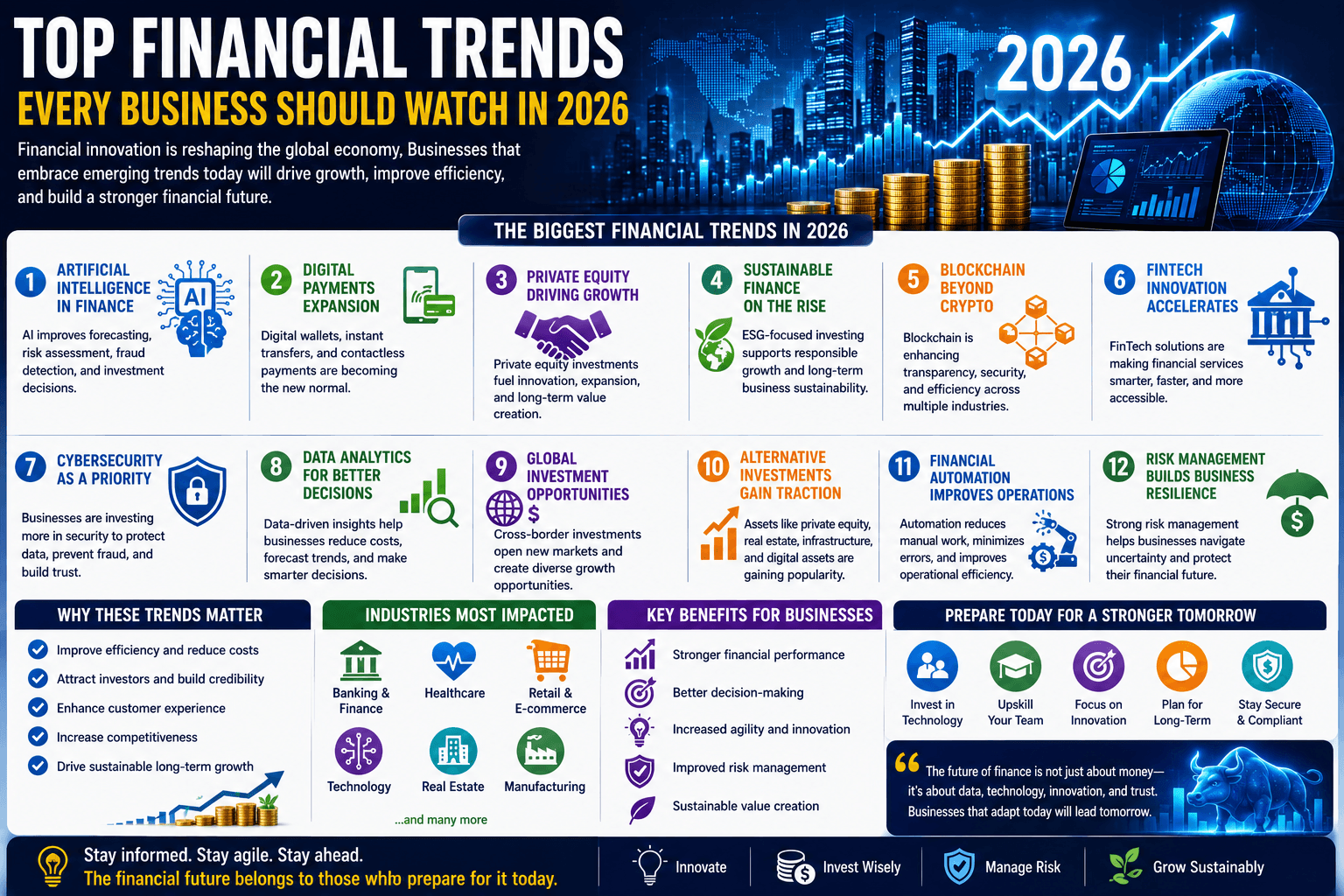
Artificial Intelligence Is Transforming Finance
Artificial intelligence has become one of the biggest drivers of financial innovation.
Businesses are increasingly using AI to:
Analyze financial data
Improve forecasting
Detect fraud
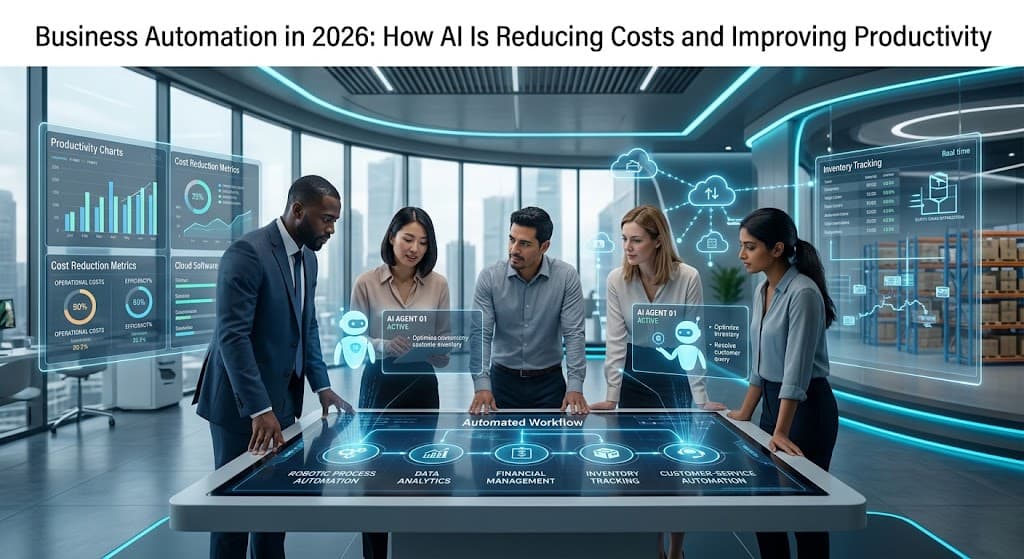
Automate accounting
Optimize investment decisions
Enhance customer service
AI-powered financial systems allow companies to process large amounts of information faster while reducing operational costs and improving decision-making.
Digital Payments Continue Expanding
Consumers and businesses increasingly expect fast, secure, and convenient payment solutions.
Digital payment technologies now include:
Mobile wallets
Contactless payments
Instant bank transfers
QR code payments
Cross-border payment platforms
Businesses adopting modern payment systems often improve customer experience while reducing transaction delays.
Private Equity Supports Business Expansion
Private equity firms continue investing in high-growth companies across multiple industries.
Popular investment sectors include:
Artificial Intelligence
Healthcare
Financial Technology
Cybersecurity
Renewable Energy
Enterprise Software
Private equity funding helps businesses expand operations, enter new markets, and accelerate innovation.
Sustainable Finance Gains Momentum
Environmental, social, and governance (ESG) considerations continue influencing investment decisions.
Businesses increasingly invest in:
Renewable energy
Energy-efficient operations
Sustainable supply chains
Carbon reduction initiatives
Responsible corporate governance
Investors increasingly evaluate long-term sustainability alongside financial performance.
Blockchain Technology Moves Beyond Cryptocurrency
Blockchain is no longer limited to digital currencies.
Businesses now use blockchain for:
Supply chain management
Digital identity verification
Smart contracts
Secure payments
Asset tokenization
Financial recordkeeping
Blockchain improves transparency, security, and operational efficiency across multiple industries.
Financial Technology Continues Innovating
FinTech companies continue transforming traditional financial services.
Major innovations include:
Digital banking
Online lending
Investment platforms
Wealth management applications
Automated financial planning
Businesses benefit from improved efficiency while consumers enjoy greater convenience.
Cybersecurity Becomes a Financial Priority
As digital finance expands, cybersecurity remains essential.
Businesses continue investing in:
Data protection
Fraud prevention
Identity verification
Network security
AI-powered threat detection
Protecting financial information has become a critical business responsibility.
Data Analytics Improves Decision-Making
Modern businesses increasingly rely on financial analytics.
Advanced data analysis helps organizations:
Forecast revenue
Identify spending patterns
Improve profitability
Reduce operational costs
Evaluate investment opportunities
Better data often leads to better business decisions.
Global Investment Continues Growing
Businesses increasingly seek international investment opportunities.
Cross-border investment allows companies to:
Access new customers
Diversify revenue
Expand operations
Reduce geographic risk
Global financial integration continues creating opportunities for businesses of all sizes.
Alternative Investments Gain Popularity
Investors increasingly diversify beyond traditional stocks and bonds.
Growing alternative investments include:
Private Equity
Infrastructure
Real Estate
Venture Capital
Digital Assets
Alternative investments may provide additional diversification within long-term portfolios.
Automation Improves Financial Operations
Financial automation continues reducing manual work.
Businesses now automate:
Payroll
Invoicing
Expense management
Financial reporting
Budget monitoring
Automation improves efficiency while reducing operational errors.
Managing Financial Risk
Economic uncertainty remains part of every business environment.
Companies increasingly strengthen risk management by:
Diversifying revenue
Maintaining cash reserves
Monitoring debt
Improving forecasting
Investing in cybersecurity
Strong financial planning improves resilience during market fluctuations.
Preparing for the Future
Businesses preparing for long-term success continue investing in:
Artificial Intelligence
Cloud Computing
Financial Technology
Digital Infrastructure
Employee Development
Innovation
Technology and financial discipline remain essential competitive advantages.
Conclusion
The financial trends shaping 2026 reflect a rapidly changing business environment driven by innovation, digital transformation, and global connectivity. Artificial intelligence, digital payments, private equity, blockchain, sustainable finance, and advanced data analytics are creating new opportunities for organizations willing to adapt.
Companies that embrace these financial trends while maintaining strong governance, disciplined investment strategies, and effective risk management will be better positioned for long-term growth.
As the global economy continues evolving, staying informed about financial innovation will remain one of the most valuable advantages for business leaders and investors alike.