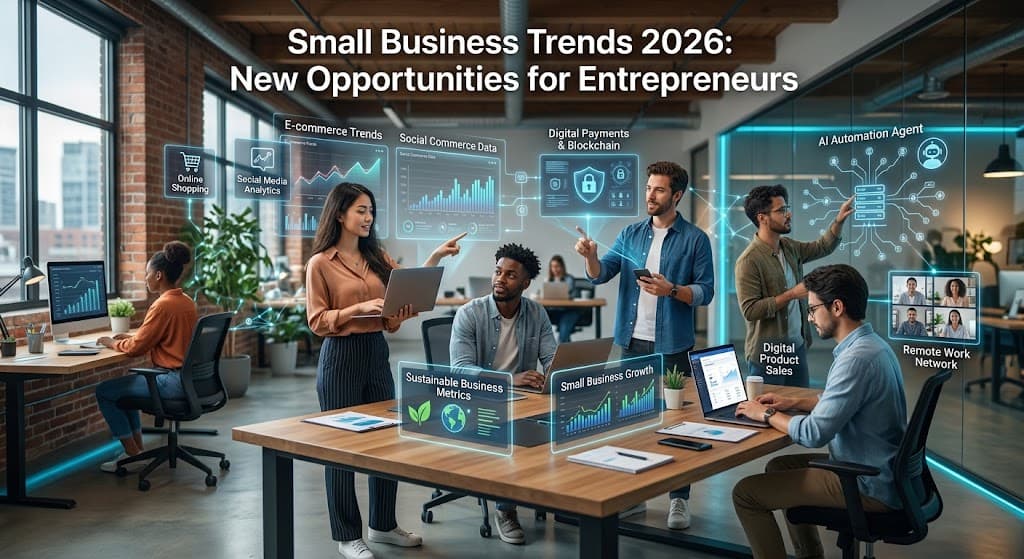
The global business environment is evolving faster than ever. Rapid technological innovation, shifting consumer expectations, economic uncertainty, and digital transformation are creating both new opportunities and significant challenges for businesses around the world.
Entrepreneurs who stay informed about emerging trends are better positioned to innovate, improve efficiency, and remain competitive. In 2026, success depends not only on offering quality products or services but also on embracing technology, adapting to changing markets, and responding quickly to customer needs.
Here are the most important global business trends every entrepreneur should watch this year.
1. Artificial Intelligence Becomes a Business Essential
Artificial intelligence (AI) is no longer an experimental technology. Businesses across industries are integrating AI into daily operations to improve productivity and decision-making.
Companies are using AI to:
Automate repetitive tasks
Analyze customer behavior
Improve financial forecasting
Personalize marketing campaigns
Enhance customer support
Optimize supply chains
Businesses that adopt AI strategically are gaining a significant competitive advantage.
2. Digital Transformation Continues to Accelerate
Organizations continue investing in cloud computing, automation, digital platforms, and advanced analytics.
Digital transformation helps businesses:
Improve efficiency
Reduce operational costs
Increase flexibility
Strengthen customer experiences
Make faster business decisions
Companies that delay digital modernization risk falling behind more agile competitors.
3. Sustainability Drives Business Strategy
Environmental responsibility has become a major priority for businesses and consumers alike.
Organizations are investing in:
Renewable energy
Green manufacturing
Sustainable packaging
Carbon reduction initiatives
Circular economy practices
Sustainability is increasingly influencing purchasing decisions, investor confidence, and long-term business value.
4. Hybrid and Remote Work Remain Important
Flexible work arrangements continue to reshape workplaces worldwide.
Businesses are adopting hybrid models that combine office collaboration with remote productivity.
Benefits include:
Higher employee satisfaction
Reduced operating costs
Access to global talent
Improved work-life balance
Increased productivity
Companies continue investing in collaboration technologies that support distributed teams.
5. Data-Driven Decision Making
Modern businesses generate enormous amounts of data every day.
Advanced analytics allow organizations to understand:
Customer preferences
Sales trends
Market opportunities
Operational performance
Financial risks
Data-driven organizations often make faster and more accurate strategic decisions.
6. Cybersecurity Remains a Top Priority
As businesses become increasingly digital, cybersecurity has become a critical investment.
Companies are strengthening protection through:
Multi-factor authentication
Cloud security
Employee awareness training
AI-powered threat detection
Zero-trust security models
Protecting customer information helps maintain trust and business continuity.
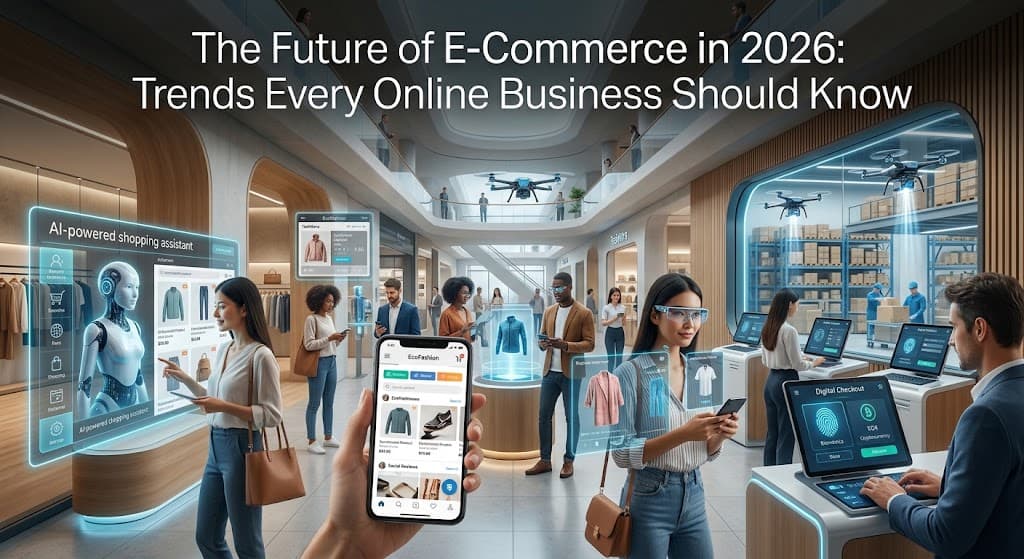
7. E-Commerce Continues Global Expansion
Online commerce continues growing across both developed and emerging markets.
Businesses are expanding through:
Mobile shopping
Social commerce
International marketplaces
Direct-to-consumer models
AI-powered product recommendations
Consumers increasingly expect seamless digital shopping experiences.
8. Supply Chain Resilience
Recent global disruptions have highlighted the importance of flexible supply chains.
Businesses are improving resilience by:
Diversifying suppliers
Increasing inventory visibility
Using predictive analytics
Investing in logistics automation
Nearshoring critical operations
Greater resilience helps organizations respond more effectively to unexpected disruptions.
9. Digital Payments Become the Standard
Cashless transactions continue replacing traditional payment methods.
Businesses are adopting:
Contactless payments
Digital wallets
Instant bank transfers
Cross-border payment solutions
AI-powered fraud prevention
Fast and secure payment systems improve customer convenience and operational efficiency.
10. Customer Experience Becomes a Competitive Advantage
Today's consumers expect personalized, fast, and consistent service.
Businesses are investing in:
AI-powered customer support
Personalized recommendations
Omnichannel communication
Self-service platforms
Customer loyalty programs
Exceptional customer experiences encourage repeat business and strengthen brand reputation.
11. Workforce Reskilling
Technology is changing the skills businesses require.
Organizations are investing in employee development through:
AI training
Digital skills programs
Leadership development
Cybersecurity education
Data analytics training
Continuous learning helps businesses remain competitive in a rapidly changing economy.
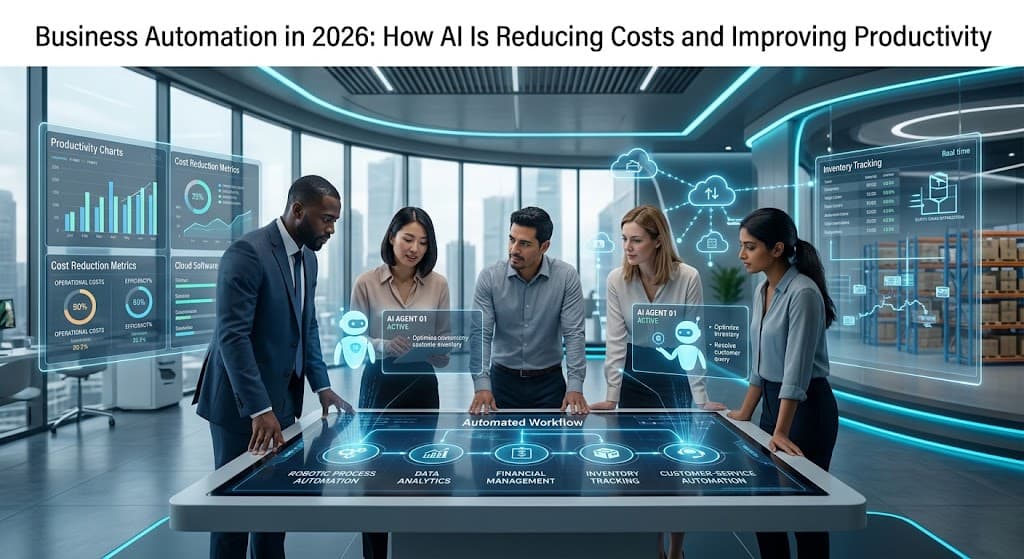
12. Automation Improves Efficiency
Automation is streamlining operations across industries.
Businesses automate:
Accounting
Customer service
Inventory management
Marketing
Manufacturing
Logistics
Automation reduces costs while allowing employees to focus on strategic work.
Challenges Businesses Must Address
While these trends create opportunities, they also present challenges.
Business leaders should prepare for:
Economic uncertainty
Rising cybersecurity risks
Rapid technological change
Talent shortages
Regulatory compliance
Global market competition
Companies that remain flexible and invest in innovation are better positioned for long-term success.
The Future of Global Business
Looking ahead, the global economy will become increasingly digital, connected, and technology-driven.
Businesses that embrace AI, automation, sustainability, and digital transformation will be more resilient, efficient, and competitive. Entrepreneurs who continuously adapt to changing market conditions will be best prepared to seize new opportunities and achieve sustainable growth.
Conclusion
The business landscape in 2026 is defined by innovation, agility, and digital transformation. Artificial intelligence, sustainability, automation, data analytics, cybersecurity, and customer experience are no longer optional—they are essential components of long-term success.
Entrepreneurs who understand these global trends and act on them today will be better equipped to navigate future challenges, strengthen their businesses, and build lasting competitive advantages in the years ahead.