B&Bitcoin & Crypto Market Update 2026: Key Trends, Risks & What Investors Should Watch
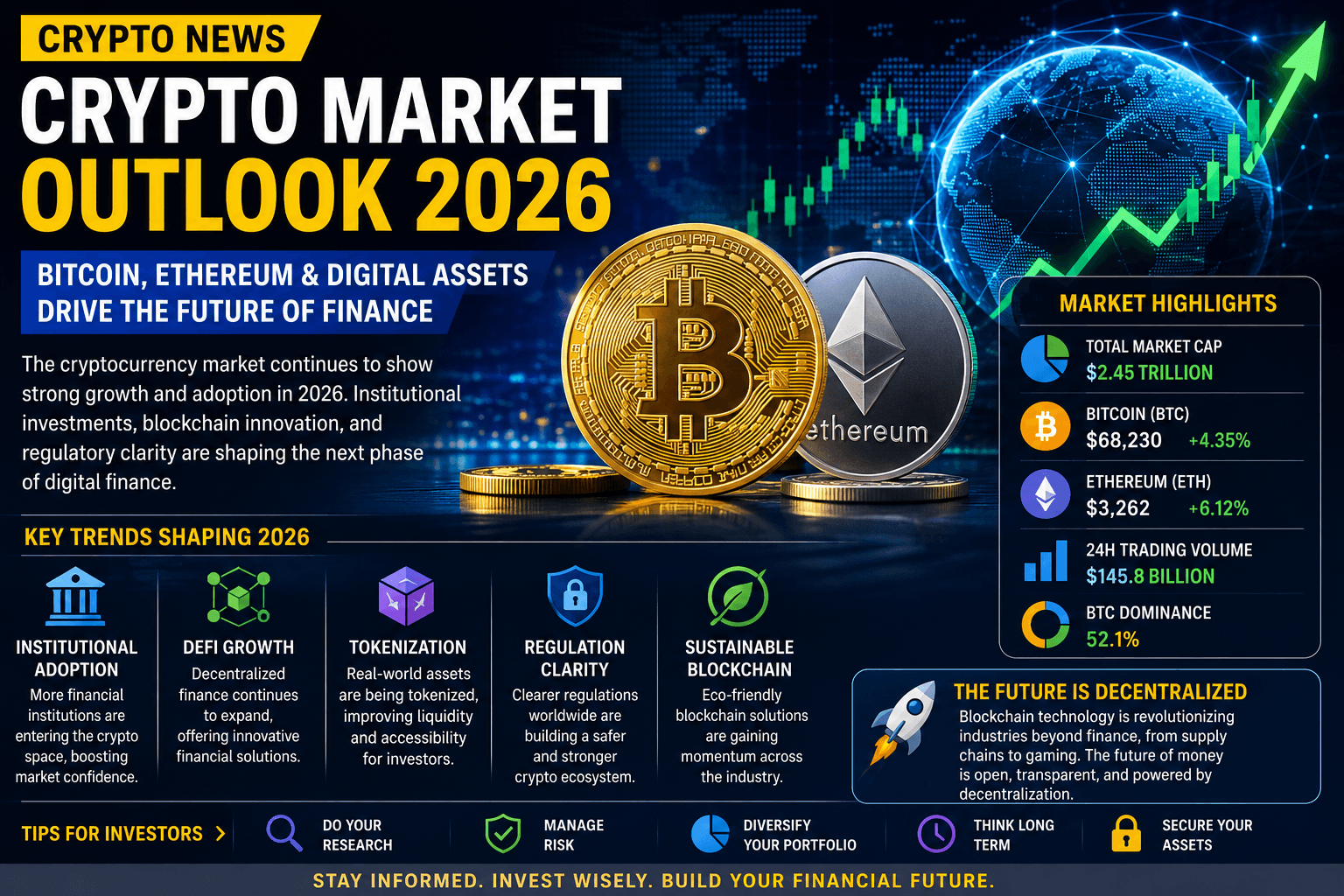
The cryptocurrency industry continues to evolve rapidly in 2026, with digital assets becoming an increasingly important part of the global financial system. What began as an experimental technology has matured into an ecosystem that includes decentralized finance (DeFi), tokenized assets, blockchain-based payments, and growing institutional participation.
While the crypto market remains known for its volatility, it has also demonstrated remarkable resilience. Investors, businesses, and governments are paying closer attention to blockchain technology and digital assets as innovation expands across financial services, supply chains, gaming, healthcare, and cross-border payments.
This article explores the key developments shaping the cryptocurrency market in 2026, examines emerging investment trends, and highlights the opportunities and challenges facing the digital asset industry.
Bitcoin Maintains Its Position as the Leading Digital Asset
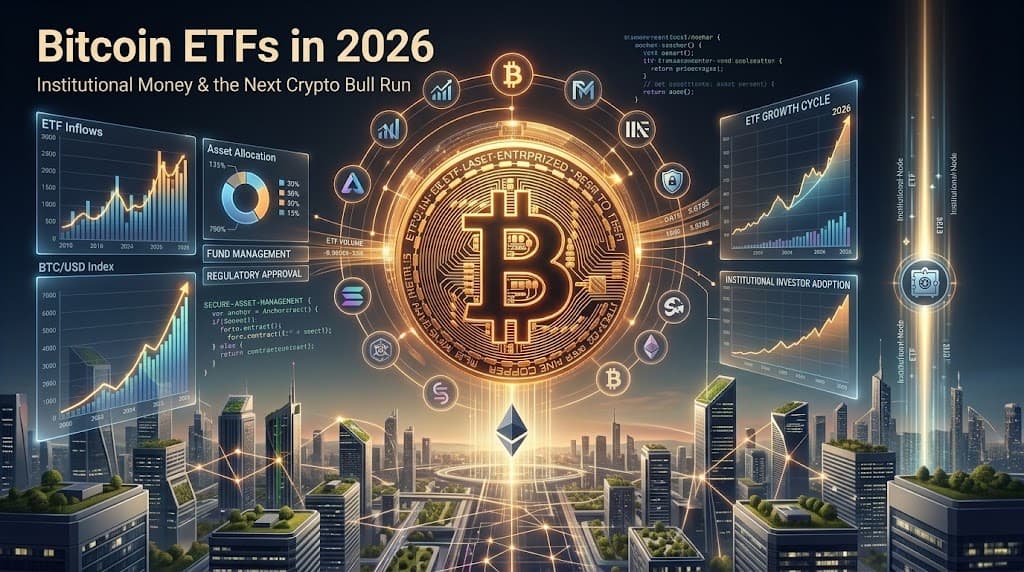
Bitcoin remains the world's largest cryptocurrency by market capitalization and continues to be viewed by many investors as a long-term digital asset. Institutional adoption has expanded over recent years as investment firms, wealth managers, and financial institutions increase exposure through regulated investment products.
Many investors view Bitcoin as a long-term portfolio diversification asset due to its limited supply and global accessibility. Although short-term price movements remain unpredictable, its role within the broader financial ecosystem continues to grow.
As regulatory frameworks become clearer in many regions, confidence among institutional participants has strengthened, contributing to greater market maturity.
Ethereum Continues to Drive Blockchain Innovation
Ethereum remains one of the most influential blockchain networks due to its smart contract capabilities.
Developers continue building decentralized applications across sectors including finance, gaming, digital identity, and supply chain management. The Ethereum ecosystem also supports thousands of decentralized finance protocols and tokenized assets.
Network improvements focused on scalability, transaction efficiency, and lower fees continue attracting developers and businesses seeking blockchain-based solutions.
As adoption grows, Ethereum remains central to many blockchain innovations shaping the digital economy.
Institutional Investment Continues to Expand
One of the most significant developments in recent years has been increasing institutional participation.
Asset managers, pension funds, family offices, and publicly traded companies are exploring digital assets as part of diversified investment strategies.
Improved custody solutions, stronger compliance standards, and expanding regulatory clarity have helped reduce barriers for institutional investors entering the crypto market.
This growing participation has contributed to increased market liquidity and broader acceptance of cryptocurrencies as a recognized asset class.
Stablecoins Support Digital Payments
Stablecoins continue playing an essential role within the cryptocurrency ecosystem.
Unlike highly volatile cryptocurrencies, stablecoins are designed to maintain relatively stable value by referencing reserve assets or established mechanisms. They are widely used for digital payments, international transfers, decentralized finance, and trading activity.
Businesses increasingly recognize stablecoins as an efficient method for reducing settlement times while lowering transaction costs compared with traditional payment systems.
Decentralized Finance Continues to Mature
Decentralized Finance, commonly known as DeFi, remains one of blockchain's most innovative sectors.
DeFi platforms allow users to lend, borrow, trade, and earn returns without relying entirely on traditional financial intermediaries.
Although the industry continues improving security and user experience, investors remain focused on understanding smart contract risks and platform governance before participating.
As infrastructure becomes more robust, DeFi is expected to remain an important driver of blockchain adoption.
Tokenization Is Transforming Financial Markets
Tokenization is becoming one of the fastest-growing areas of digital finance.
Real-world assets such as real estate, investment funds, artwork, commodities, and financial securities can increasingly be represented through blockchain-based digital tokens.
Tokenization may improve liquidity, increase accessibility, reduce administrative costs, and simplify asset ownership.
Financial institutions worldwide continue exploring tokenized assets as part of future investment infrastructure.
Blockchain Adoption Extends Beyond Cryptocurrency
Although cryptocurrencies receive significant public attention, blockchain technology is expanding across multiple industries.
Organizations are using blockchain to improve transparency, security, and efficiency in areas including:
Supply chain management
Healthcare records
International trade
Identity verification
Digital documentation
Intellectual property protection
Government services
These practical applications demonstrate blockchain's growing value beyond speculative investment.
Regulation Continues to Shape Market Growth
Governments around the world continue developing regulatory frameworks for digital assets.
Clear regulations may improve consumer protection while encouraging responsible innovation and institutional participation.
Many jurisdictions are focusing on:
Anti-money laundering compliance
Consumer safeguards
Tax reporting
Digital asset licensing
Stablecoin oversight
Exchange transparency
Balanced regulation has the potential to strengthen long-term confidence within the cryptocurrency market.
Cybersecurity Remains a Top Priority
As digital assets gain popularity, cybersecurity continues to be essential.
Crypto exchanges, wallet providers, and blockchain developers invest heavily in improving security infrastructure to protect users from hacking attempts and fraud.
Investors are encouraged to use strong passwords, multi-factor authentication, hardware wallets when appropriate, and trusted platforms to reduce security risks.
Education remains one of the most effective tools for improving digital asset security.
Artificial Intelligence Meets Blockchain
Artificial intelligence and blockchain technologies are increasingly being combined to create innovative financial solutions.
AI assists with fraud detection, market analytics, smart contract monitoring, automated compliance, and blockchain data analysis.
The integration of AI and blockchain could improve efficiency while supporting more intelligent decentralized applications in the coming years.
Opportunities for Investors
The cryptocurrency market continues offering opportunities across multiple segments.
Popular areas attracting investor attention include:
Bitcoin
Ethereum
Layer-2 blockchain solutions
Blockchain infrastructure
Tokenization platforms
Web3 applications
Decentralized finance
Blockchain cybersecurity
Digital payment technologies
However, investors are encouraged to conduct thorough research and understand risk before investing.
Risks Remain Part of the Crypto Market
Despite continued growth, cryptocurrency markets remain highly volatile.
Prices can fluctuate significantly due to economic conditions, investor sentiment, technological developments, or regulatory announcements.
Investors should avoid making decisions based solely on social media trends or short-term market excitement.
Diversification, research, and disciplined risk management remain essential principles for long-term investing.
The Future of Digital Finance
Experts believe blockchain technology will continue transforming financial infrastructure over the coming decade.
Central bank digital currencies, tokenized securities, decentralized identity systems, programmable payments, and blockchain-powered financial services are expected to expand further.
Rather than replacing traditional finance entirely, many analysts expect digital assets and conventional financial systems to coexist, creating a more connected and efficient global economy.
Innovation, regulation, and responsible adoption will likely determine the pace of future industry growth.
Conclusion
The cryptocurrency industry has entered a new phase of maturity in 2026. While market volatility continues, the underlying technology is increasingly being adopted by financial institutions, governments, and global businesses.
Bitcoin and Ethereum remain central to the digital asset ecosystem, while innovations in decentralized finance, tokenization, blockchain infrastructure, and digital payments continue creating new opportunities for investors and organizations alike.
For those interested in cryptocurrency, success depends on continuous education, careful research, prudent risk management, and maintaining a long-term perspective. As blockchain technology continues reshaping finance, the digital asset market is expected to remain one of the most closely watched sectors of the global economy.