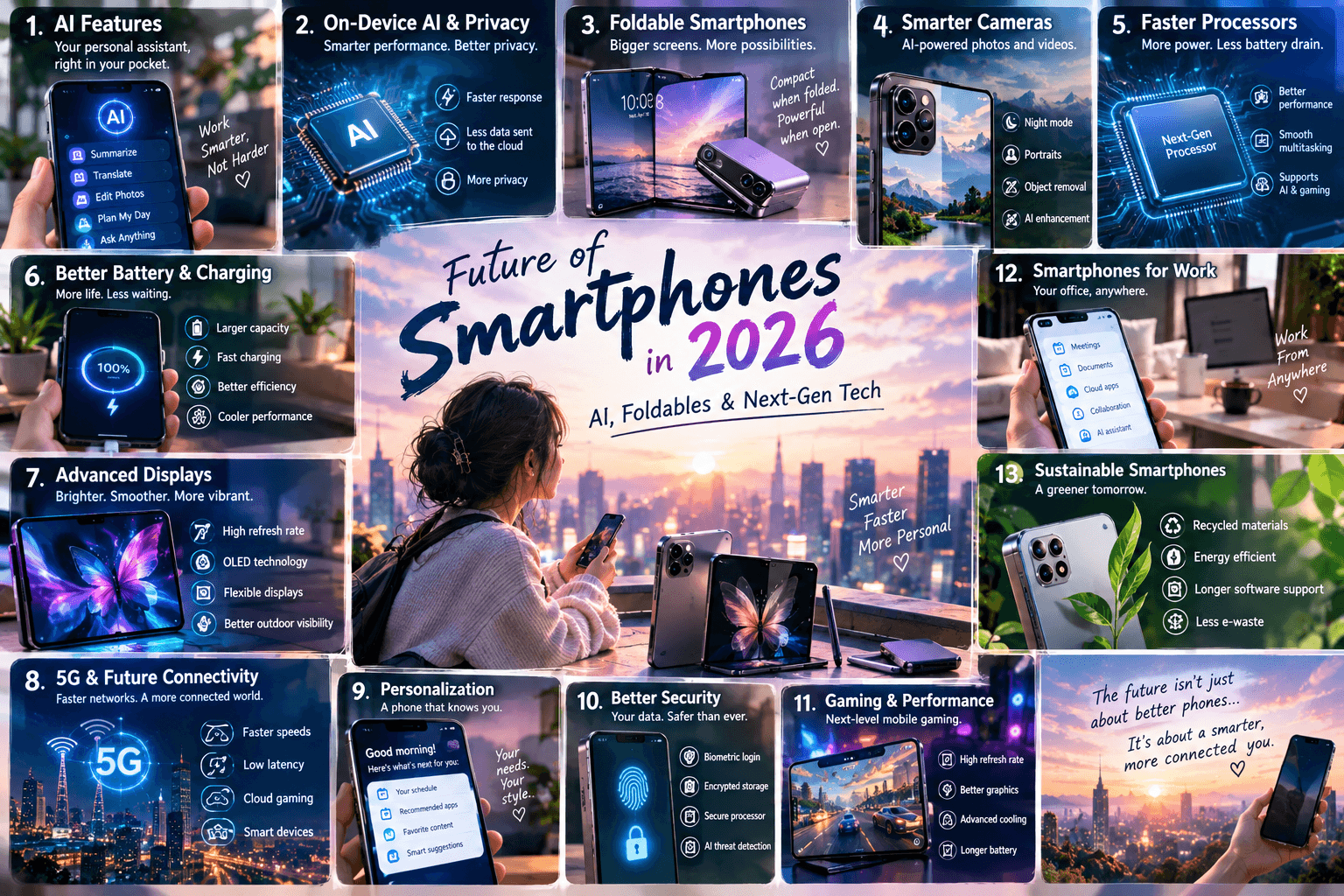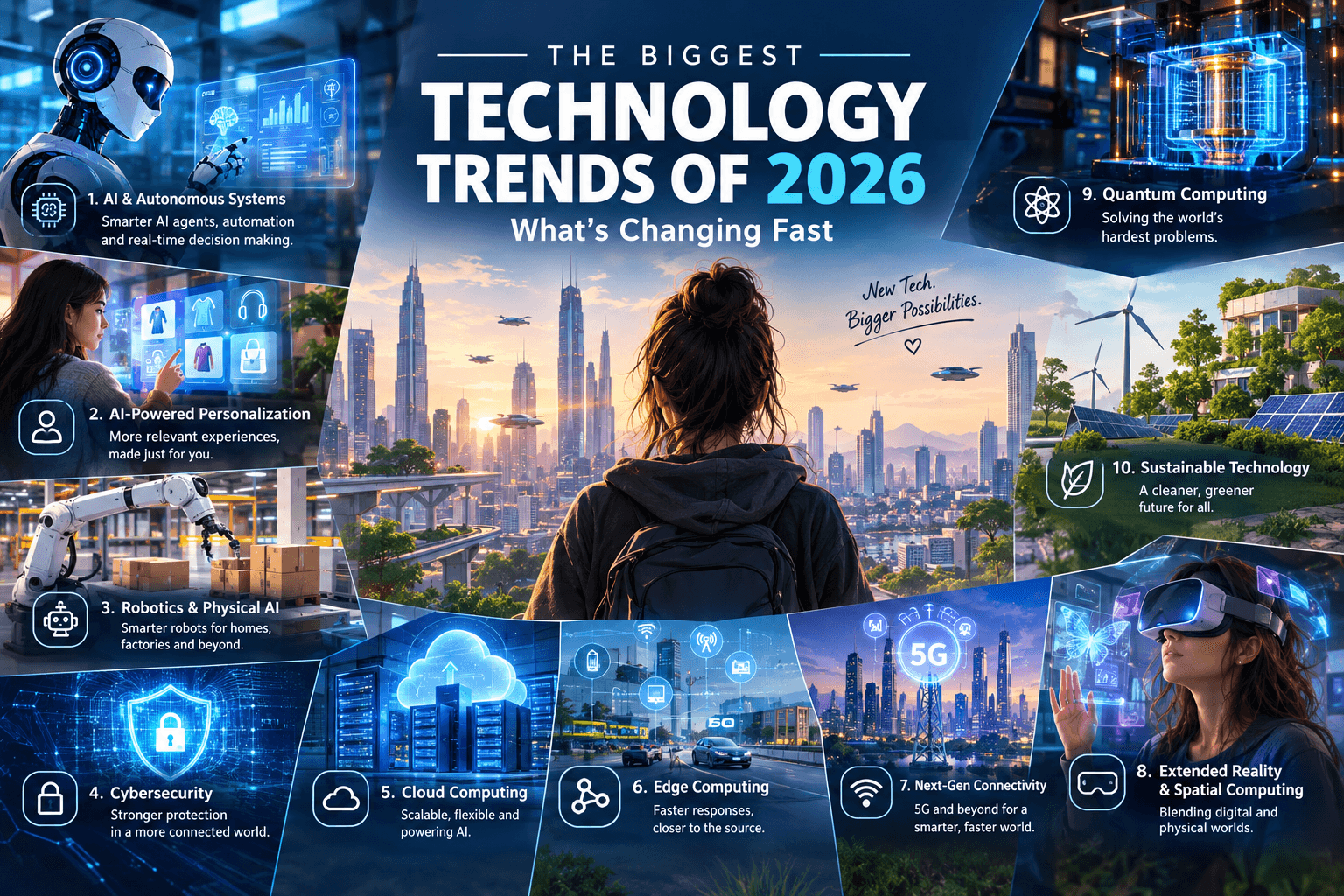

Technology has become an essential part of everyday life. From smartphones and online banking to artificial intelligence, smart homes, and digital healthcare, technology is changing how people work, communicate, shop, learn, and entertain themselves.
While these innovations offer major benefits, they also create challenges involving privacy, cybersecurity, screen time, employment, and digital dependence. Understanding both the opportunities and risks can help people use technology more effectively.
Technology Makes Communication Easier
One of the biggest changes technology has brought to everyday life is the ability to communicate instantly.
Messaging applications, video calls, social networks, and collaboration platforms allow people to stay connected regardless of geographical distance.
Families can communicate across countries, businesses can work with international teams, and students can participate in online communities and classrooms.
Artificial Intelligence Is Becoming Part of Daily Life
Artificial intelligence is increasingly appearing in everyday products and services.
AI can help people search for information, translate languages, generate content, recommend products, organize schedules, and automate repetitive tasks.
Voice assistants and AI-powered applications can make technology easier to use, while businesses are using AI for customer service, marketing, data analysis, and productivity.
As AI becomes more capable, understanding how to use it responsibly will become an increasingly valuable digital skill.
Smart Homes Are Growing
Smart home technology allows household devices to connect to the internet and communicate with one another.
Smart lights, security cameras, thermostats, appliances, and voice-controlled devices can provide convenience and automation.
For example, homeowners can remotely monitor their property, adjust temperature settings, or automate lighting.
However, connected devices can also create privacy and cybersecurity concerns, making secure passwords and regular software updates important.
Technology Is Transforming Education
Digital technology has made educational resources more accessible.
Students can access online courses, digital libraries, educational videos, interactive applications, and AI-powered learning tools.
Teachers can use technology to create interactive lessons and provide digital resources to students.
However, excessive dependence on technology can create distractions. Digital learning works best when technology supports rather than completely replaces effective teaching and human interaction.
Healthcare Is Becoming More Digital
Technology is changing healthcare through electronic health records, telemedicine, wearable devices, medical imaging, and AI-assisted research.
Wearable devices can track information such as activity levels and heart rate, while telehealth platforms can allow patients to communicate with healthcare professionals remotely where available.
These technologies can improve convenience and access, but sensitive health information must be protected carefully.
Digital Payments Are Changing Shopping
Cashless payments and online banking have made financial transactions faster and more convenient.
People can pay for products using smartphones, cards, digital wallets, and online platforms.
E-commerce has also changed shopping by allowing customers to compare products and purchase items from businesses around the world.
At the same time, consumers need to remain alert to scams, fraudulent websites, and identity theft.
Technology Is Changing the Workplace
Remote work, cloud computing, collaboration software, and AI-powered tools have transformed many workplaces.
Employees can collaborate from different locations and access important documents through cloud platforms.
Automation can handle repetitive tasks, allowing workers to spend more time on creative, analytical, and strategic activities.
This shift also increases the importance of digital skills and continuous learning.
Transportation Is Becoming Smarter
Technology is transforming transportation through navigation applications, electric vehicles, connected vehicles, automated systems, and intelligent traffic management.
GPS technology helps people find efficient routes, while electric vehicles are changing the automotive industry.
Future transportation systems may become increasingly connected and automated.
The Risks of Digital Technology
Despite its benefits, technology creates several challenges.
Cybersecurity threats, online scams, misinformation, privacy concerns, excessive screen time, and digital addiction can affect individuals and organizations.
Companies also collect significant amounts of user data, making responsible data management increasingly important.
The Importance of Digital Literacy
Digital literacy means understanding how to use technology effectively and safely.
People should know how to identify suspicious messages, protect accounts, evaluate online information, manage privacy settings, and use digital tools responsibly.
As technology continues to evolve, digital literacy will become increasingly important in education, employment, and everyday life.
What Does the Future Hold?
Future technologies could further transform everyday experiences.
AI agents may perform more complex digital tasks, smart cities could improve transportation and energy management, robotics may become more common, and augmented and virtual reality could create new ways to work and communicate.
However, technological progress should be accompanied by responsible development, strong cybersecurity, privacy protection, and appropriate human oversight.
Conclusion
Technology has fundamentally changed modern life and will continue to do so.
From communication and healthcare to education, finance, transportation, and entertainment, digital innovation offers enormous opportunities. At the same time, people must understand the risks that accompany increased connectivity.
The goal should not simply be to adopt every new technology. Instead, individuals and organizations should use technology thoughtfully, securely, and purposefully to improve everyday life while protecting privacy and human well-being.
FAQs: How Technology Is Changing Everyday Life
1. How is technology changing everyday life?
Technology is changing communication, education, healthcare, shopping, transportation, entertainment, banking, and work. Digital tools make many activities faster and more convenient while also creating new challenges.
2. How is AI affecting everyday activities?
AI can help with searching for information, writing, translation, recommendations, scheduling, customer support, and automation. AI is increasingly being integrated into smartphones, software, websites, and other everyday services.
3. What are the biggest benefits of technology?
Major benefits include faster communication, easier access to information, improved productivity, convenient digital services, remote work, online education, and new healthcare and entertainment options.
4. What are the risks of using technology?
Potential risks include cybersecurity attacks, privacy loss, misinformation, online scams, excessive screen time, digital dependence, and the misuse of personal data.
5. How can people protect their privacy online?
Use strong and unique passwords, enable multi-factor authentication, limit unnecessary data sharing, review privacy settings, keep software updated, and be cautious about suspicious links and websites.
6. How is technology changing education?
Online courses, digital resources, interactive learning platforms, virtual classrooms, and AI tools provide students with new ways to access information and practice skills. Technology can complement traditional teaching when used effectively.
7. How is technology changing the workplace?
Cloud computing, video conferencing, automation, collaboration platforms, and AI tools allow employees to work more efficiently and collaborate from different locations.
8. Are smart home devices safe?
Smart home devices can provide convenience but may introduce privacy and cybersecurity risks. Using strong passwords, updating device software, and purchasing devices from reputable manufacturers can improve security.
9. How is technology improving healthcare?
Telemedicine, digital records, wearable devices, medical imaging, and AI-assisted tools can improve access, monitoring, research, and healthcare efficiency. Medical decisions should still involve qualified healthcare professionals.
10. What is digital literacy?
Digital literacy is the ability to use digital technologies effectively, safely, and responsibly. It includes understanding online security, privacy, information quality, and appropriate technology use.
11. Is technology making people less social?
Technology can both strengthen and weaken social connections. Digital communication helps people stay connected across distances, but excessive screen use can reduce face-to-face interaction and meaningful engagement.
12. How can technology improve productivity?
Digital calendars, task-management tools, cloud platforms, automation, AI assistants, and collaboration software can help people organize work, reduce repetitive tasks, and manage information more efficiently.
13. How is technology changing shopping?
E-commerce, digital payments, personalized recommendations, mobile shopping, and AI-powered search have made it easier to discover, compare, and purchase products online.
14. How is technology affecting transportation?
GPS navigation, electric vehicles, connected cars, ride-sharing platforms, traffic-management systems, and emerging autonomous technologies are transforming how people and goods move.
15. Will technology replace human workers?
Some tasks are likely to become automated, but technology can also create new roles and increase demand for new skills. Many future jobs are likely to involve collaboration between people and technology.
16. How can parents help children use technology responsibly?
Parents can establish age-appropriate boundaries, encourage offline activities, discuss online safety, monitor usage when appropriate, and teach children how to recognize unreliable or harmful online content.
17. What role will AI play in the future?
AI is likely to become more integrated into software, workplaces, healthcare, education, transportation, and consumer products. Its future impact will depend on technological progress, regulation, safety practices, and how responsibly it is deployed.
18. Why is cybersecurity becoming more important?
As more personal, financial, and business activities move online, there are more opportunities for cybercriminals to target accounts and data. Strong security practices are therefore increasingly important.
19. Can technology improve quality of life?
Yes. Technology can save time, improve accessibility, connect people, provide educational resources, support healthcare, simplify financial transactions, and offer new forms of entertainment and communication.
20. What will everyday technology look like in the future?
Everyday technology is likely to become more intelligent, connected, personalized, and automated. AI assistants, smart devices, robotics, immersive technologies, and connected infrastructure may become increasingly common in homes, workplaces, and cities.