ETE-commerce Trends in 2026: How Online Stores Can Attract Customers and Increase Sales
Introduction
Starting an online store in 2026 can be an exciting opportunity for aspiring entrepreneurs, small business owners, and people looking to build an additional source of income. With customers shopping online for clothing, electronics, beauty products, home essentials, and personalized gifts, e-commerce offers businesses a way to reach buyers beyond their local communities.
However, launching a successful online store requires more than uploading products to a website. Business owners must understand their target audience, choose suitable products, calculate costs, select a reliable sales platform, and develop a marketing strategy that attracts customers.
The good news is that beginners can start small, test their ideas, and expand as they learn what works. You do not necessarily need a large investment or advanced technical knowledge to begin. A clear plan, consistent effort, and a focus on customer needs can help you build a stronger foundation.
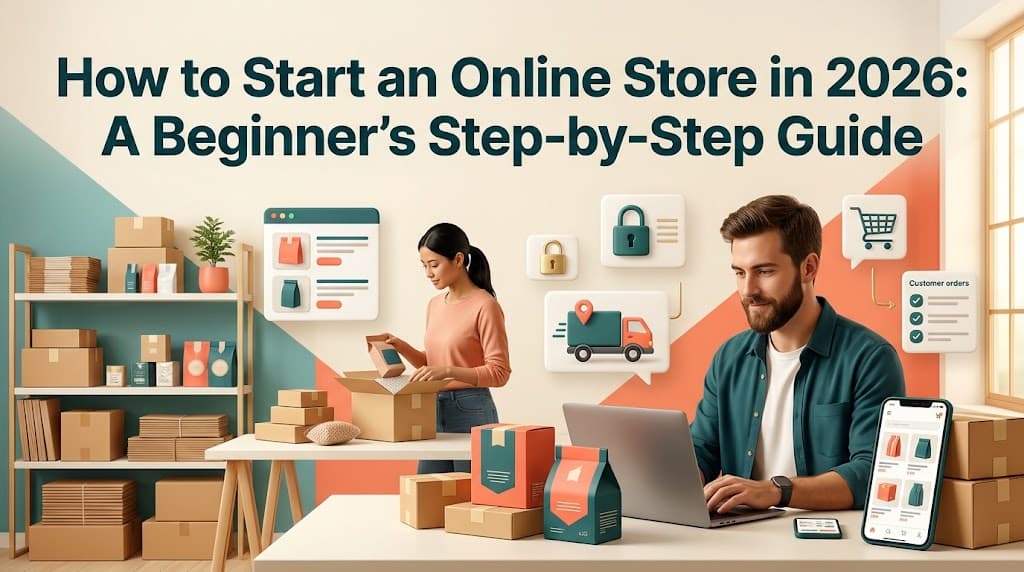
This guide explains how to start an online store in 2026, from choosing a profitable product idea to managing orders and growing your business.
1. Choose a Product to Sell Online
The first step is deciding what your store will sell. Your products influence your target audience, startup costs, marketing strategy, and potential profit margins.
Rather than choosing a product simply because it is popular, look for a balance between customer demand, competition, supplier reliability, and affordability.
Product ideas for beginners
Some categories worth researching include:
Clothing, accessories, and modest fashion
Beauty accessories and personal care products
Home organization and decorative items
Stationery, journals, and educational supplies
Personalized gifts and handmade products
Pet accessories
Reusable household products
Digital products, such as templates and downloadable planners
These are possible product categories, not guaranteed profitable opportunities. Research local and international demand before investing money.
How to validate your product idea
Start by identifying a problem your product solves or a specific audience it serves. Research search suggestions, marketplace listings, customer reviews, social media discussions, and competitor prices.
Pay particular attention to complaints customers repeatedly mention. For example, buyers may want better product quality, clearer sizing information, more attractive packaging, or faster delivery.
You can also test interest by showing sample products to potential customers or launching a small collection before ordering large quantities.
2. Research Your Target Audience
An online store is more likely to succeed when it serves a clearly defined group of customers.
Consider who will purchase your products, why they need them, how much they can spend, and where they usually shop.
For example, a stationery store could target students who want affordable study planners, colorful notebooks, and exam preparation supplies. A home décor store might serve renters looking for attractive, budget-friendly ways to improve small living spaces.
Create a simple customer profile that includes:
Age range and general customer needs
Location and delivery requirements
Typical spending budget
Shopping preferences
Problems your products can solve
Avoid assuming that everyone is your customer. A focused audience makes product selection, branding, and advertising easier.
3. Study Competitors and Market Demand
Before launching, examine businesses already selling similar products.
Look at their product ranges, prices, photographs, shipping policies, customer reviews, and social media content. Identify what they do well and where customers appear dissatisfied.
Your goal should not be to copy competitors. Instead, find a meaningful way to differentiate your store.
You might offer more detailed product descriptions, helpful buying guides, personalized customer service, carefully selected products, or convenient bundles.
Also calculate whether your proposed prices can cover the costs of running the business. High demand does not automatically translate into high profits, particularly in crowded markets.
4. Create a Realistic Startup Budget
One of the most important steps is understanding how much money you need to launch and operate your store.
Your expenses may include:
Initial inventory or product samples
Website hosting and domain registration
E-commerce platform fees
Packaging and shipping supplies
Payment processing fees
Advertising and promotional materials
Returns, refunds, and damaged products
Business registration and applicable taxes
The total depends on your business model. A small digital-product shop may have lower inventory costs than a store selling physical goods. Dropshipping can reduce the need to hold inventory, but it does not eliminate supplier, advertising, customer service, or refund costs.
Calculate your profit margin
Consider a product sold for $30. Suppose the product and packaging cost $12, shipping costs $5, and payment processing and other variable costs total $2.
Your remaining amount before advertising, fixed expenses, taxes, and other overhead is $11.
This simple calculation helps you understand why sales revenue is not the same as profit.
Prepare a basic spreadsheet to track expenses, sales, refunds, and cash flow. Review it regularly and avoid spending your entire budget on inventory before testing demand.
5. Choose the Right E-commerce Platform
Your online store needs a place where customers can discover products, learn about your business, and complete purchases.
Build your own online store
Hosted e-commerce platforms can help beginners create a website using ready-made templates and integrated store management tools. Other options include self-hosted website systems that offer greater flexibility but may require additional technical maintenance.
Compare platforms based on pricing, payment options, customization, shipping integrations, customer support, and ease of use.
Sell through online marketplaces
Marketplaces can provide access to existing shoppers, which may help beginners test products without building a complete website immediately.
However, marketplace fees, seller rules, competition, and restrictions can affect your business. Read the terms carefully before choosing a platform.
Start through social commerce
Some small businesses begin by showcasing products on social media and accepting orders through supported shopping tools or messaging channels.
This approach can help validate demand, but you should establish clear ordering, payment, delivery, and return procedures. As your business grows, consider a dedicated website or another system that makes order management easier.
Choose a platform that fits your current budget and customer needs rather than paying for features you do not yet require.
6. Find Reliable Suppliers
If you sell physical products, supplier quality can determine whether customers return or leave negative reviews.
Research several suppliers and compare product quality, minimum order quantities, prices, delivery times, return arrangements, and communication.
Whenever possible, order samples before purchasing in bulk. Inspect the materials, sizing, packaging, durability, and consistency with the supplier's photographs.
Ask about stock availability and how the supplier handles defective products or unexpected delays.
For dropshipping businesses, investigate shipping times and product quality particularly carefully. Customers will generally hold your store responsible for the buying experience, even when another company ships the product.
Avoid relying entirely on unverified suppliers or investing heavily in a product you have not inspected.
7. Build a Professional Online Store
Your website should help customers find information and purchase products without confusion.
Create clear product pages
Each product page should include:
A descriptive product title
Clear, high-quality photographs
Accurate product details and specifications
Price and available options
Delivery estimates
Return and refund information
Answers to common customer questions
Use your own product photographs when possible, or ensure that you have permission to use the images you publish.
Write descriptions that explain real benefits without exaggerating product performance. Accurate information helps customers make informed decisions and reduces avoidable returns.
Make checkout simple
Avoid unnecessary checkout steps. Display shipping costs, payment options, and relevant policies before the customer completes an order.
Ensure your website works properly on mobile devices, as many customers browse and shop using smartphones.
Test the entire purchase process before launching, including confirmation emails, payment processing, inventory updates, and order notifications.
8. Set Up Payments, Shipping, and Returns
Customers need reliable ways to pay and receive their purchases.
Choose payment methods appropriate for your target market. Depending on the country and platform, options may include cards, digital wallets, bank transfers, or cash on delivery.
If you operate in Pakistan, investigate locally supported payment gateways, bank payment options, and reputable courier services. Confirm current eligibility, fees, settlement times, and business requirements directly with each provider.
For shipping, decide how orders will be packaged, dispatched, tracked, and delivered. Communicate realistic delivery estimates and explain how customers can contact you about delayed parcels.
Create a clear return and refund policy that complies with applicable consumer protection laws. Explain which items can be returned, the time limits, and how refunds are processed.
Reliable fulfillment and honest communication can make a small business appear more professional and trustworthy.
9. Market Your Online Store
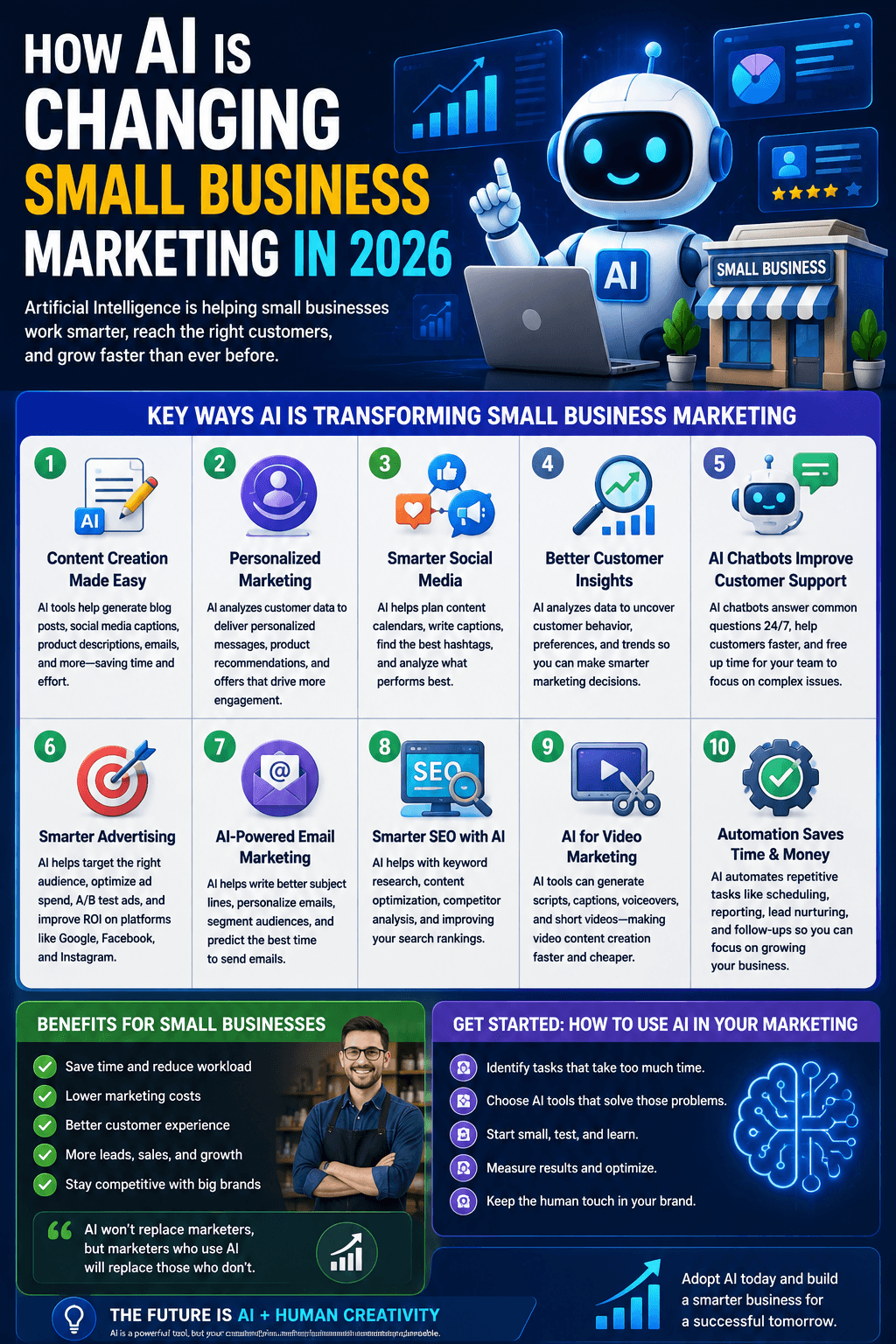
A new store rarely attracts consistent customers without promotion. Your marketing strategy should focus on reaching people who are likely to need your products.
Search engine optimization
SEO helps search engines understand your pages and can bring relevant visitors over time.
Use descriptive product titles, useful product information, logical categories, and clear URLs. Publish helpful articles that answer customer questions related to your products.
For example, a home organization store could publish a guide about organizing a small bedroom on a budget.
Avoid keyword stuffing or publishing large quantities of repetitive, low-value content. Focus on information that genuinely helps shoppers.
Social media marketing
Choose social platforms based on where your target customers spend time. Share product demonstrations, styling ideas, tutorials, customer questions, behind-the-scenes content, and new product announcements.
Use real photographs and videos when possible. Make it easy for interested viewers to find product details and understand how to place an order.
Email marketing
Email can help you communicate with customers who have chosen to hear from your business.
Send useful updates, product announcements, order-related information, and occasional promotions. Obtain appropriate consent and provide a clear way to unsubscribe from marketing messages.
Paid advertising
Paid search and social media campaigns can help you test demand, but advertising costs can rise quickly.
Start with a small, controlled budget. Measure sales, conversion rates, customer acquisition costs, and the profit remaining after product and fulfillment expenses.
Do not increase advertising spending solely because website traffic is rising. Focus on whether that traffic produces sustainable results.
10. Deliver Excellent Customer Service
Customer service plays an important role in building a recognizable and trustworthy brand.
Respond to questions clearly, communicate delivery delays, resolve complaints fairly, and provide accurate information about products.
Make contact details easy to find. Establish a consistent process for handling refunds, damaged items, incorrect orders, and delivery problems.
After a purchase, request feedback respectfully and use recurring complaints to improve your products and processes.
Never purchase fake reviews or publish fabricated customer testimonials. Honest feedback is more useful for building long-term credibility.
11. Measure Performance and Improve Gradually
Once your store is operating, monitor its performance instead of making decisions based on assumptions.
Useful metrics include:
Conversion rate: The percentage of visitors who complete a purchase.
Average order value: The average amount spent per order.
Customer acquisition cost: The average cost of acquiring a customer.
Return rate: The proportion of orders or products returned.
Gross profit margin: The portion of revenue remaining after the direct cost of goods sold.
Repeat purchase rate: The percentage of customers who purchase again during a defined period.
Review these figures regularly to identify opportunities for improvement.
If many visitors leave without buying, examine product information, delivery costs, checkout usability, and customer trust signals. If sales are growing but cash is tight, review inventory spending, payment settlement times, and operating expenses.
Expand your product range only when you have enough evidence that additional products are likely to serve your customers and support your finances.
Frequently Asked Questions (FAQs)
1. How do I start an online store in 2026?
Choose a product category, research your audience, estimate startup costs, select a sales platform, find reliable suppliers, set up payments and shipping, and promote your products. Begin with a manageable range and improve the store using customer feedback.
2. How much money do I need to start an online store?
The cost varies depending on the product, country, business model, platform, and marketing plan. Digital products and small social-commerce experiments may require less upfront spending than businesses purchasing large amounts of physical inventory.
3. What are the best products to sell online?
Potential options include clothing, accessories, stationery, home organization products, personalized gifts, and digital downloads. Research demand, competition, product costs, shipping requirements, and customer needs before deciding.
4. Can I start an online store with no inventory?
Yes. Options include dropshipping, print-on-demand, affiliate marketing, and selling digital products. Each model has different costs, responsibilities, margins, and risks, so review the terms carefully.
5. Is an online store profitable?
An online store can be profitable, but success is not guaranteed. Profitability depends on demand, pricing, product costs, advertising, shipping, returns, and operating expenses.
6. Do I need a website to sell online?
Not necessarily. You may begin through a marketplace or supported social-commerce channel. A dedicated website can provide more control over branding and the customer experience as your business grows.
7. Which e-commerce platform is best for beginners?
The best option depends on your budget, technical skills, location, payment requirements, and desired features. Compare total costs and supported integrations before committing.
8. How can I find reliable suppliers?
Compare several suppliers, request samples, check references where possible, verify delivery times, and review their policies for defective products and returns. Avoid placing large orders before assessing product quality.
9. How can I attract customers to a new online store?
Use useful SEO content, relevant social media posts, email marketing with appropriate consent, partnerships, and carefully measured advertising. Make your product pages informative and your checkout process simple.
10. Is dropshipping a good option for beginners?
Dropshipping can reduce upfront inventory costs, but it introduces risks involving product quality, supplier reliability, delivery times, and profit margins. Order samples and calculate the full cost of each sale before launching.
11. How do I price my products?
Calculate product costs, packaging, shipping, payment fees, expected returns, advertising, and overhead. Then compare the resulting price with customer expectations and competing products. Ensure the final price supports a sustainable margin.
12. How important is SEO for an online store?
SEO can attract people searching for relevant products and information. Clear product pages, helpful content, descriptive titles, logical site structure, and a good mobile experience can support discoverability over time.
13. How can I make my online store trustworthy?
Provide accurate product information, clear contact details, transparent delivery and refund policies, secure checkout options, and prompt customer service. Never use fake reviews or misleading claims.
14. Can I run an online store from home?
Yes. Many online businesses begin at home. Check applicable registration, tax, zoning, and product-specific requirements, and organize a suitable space for inventory, packaging, or business administration.
15. What mistakes should beginners avoid?
Common mistakes include choosing products without research, buying excessive inventory, underestimating shipping costs, copying competitors, ignoring customer feedback, and spending too much on advertising before testing demand.
16. How do I handle returns and refunds?
Publish a clear policy, follow applicable laws and platform rules, explain the return process, and respond promptly to customer requests. Track return reasons to identify recurring product or fulfillment problems.
17. How can I protect an online store from fraud?
Use reputable payment providers, strong unique passwords, multifactor authentication, updated software, and limited account permissions. Verify suspicious orders and payment claims through official systems.
18. Should I advertise immediately after launching?
You can test small campaigns after checking that your products, checkout, shipping, and customer support are ready. Start with a controlled budget and measure profitable sales rather than traffic alone.
19. How long does it take to succeed in e-commerce?
There is no fixed timeline. Results depend on demand, competition, product quality, marketing, available resources, and how effectively the business adapts. Treat early sales as opportunities to learn rather than guaranteed signs of future growth.
20. What is the first step toward launching a successful online store?
Start by identifying a specific customer need and testing whether people are willing to pay for your proposed solution. Validating demand before investing heavily can reduce unnecessary costs and improve your chances of building a sustainable business.
Conclusion
Starting an online store in 2026 is more accessible than ever, but building a sustainable business requires research, planning, and consistent improvement.
Begin by choosing a product category that meets a genuine customer need. Understand your audience, calculate your costs, select an appropriate platform, and establish reliable payment and delivery processes. Then attract customers through useful content, relevant marketing, and excellent service.
You do not need to build a huge store on your first day. Start with a focused product range, test your assumptions, measure your results, and expand when the evidence supports it.
The best first step is simple: identify a product people need, understand the costs involved, and test your idea before making a large investment.