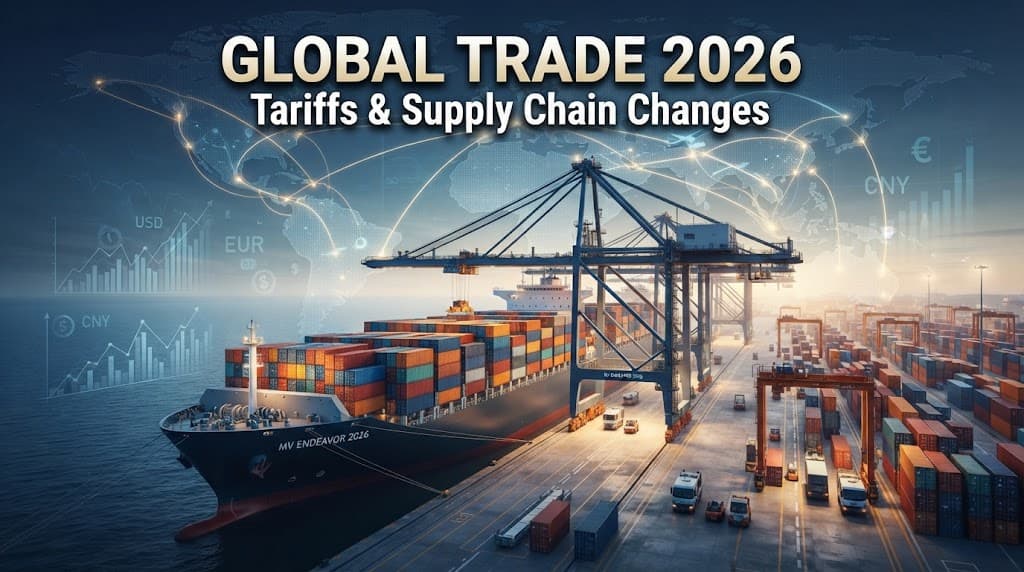
Cross-border trade plays a central role in the global technology industry. Smartphones, computers, networking equipment, semiconductors, batteries, software hardware, and countless electronic components often cross several borders before reaching the final customer.
This interconnected system has helped technology companies reduce costs, access specialized suppliers, and expand into new markets. However, it also creates vulnerabilities. Shipping delays, customs procedures, geopolitical tensions, changing trade policies, transportation costs, and shortages of critical components can quickly disrupt regional technology markets.
For businesses operating across borders, understanding these risks has become increasingly important. Companies are now looking beyond the cheapest supplier and considering reliability, geographic diversification, inventory planning, and supply chain resilience.
Why Cross-Border Trade Matters to Regional Tech Sectors
Technology manufacturing rarely takes place entirely in one country. A device may be designed in one region, use chips manufactured elsewhere, contain components from several countries, and eventually be assembled and sold in another market.
This international structure allows businesses to specialize. One country may have strong semiconductor capabilities, while another provides electronics assembly, logistics services, software expertise, or raw materials.
The result is a highly connected technology ecosystem.
However, greater connectivity also means that a disruption in one part of the supply chain can affect companies thousands of miles away.
The Rising Cost of Supply Chain Disruptions
Supply chain disruptions can increase business costs in several ways.
The most obvious expense is transportation. When normal shipping routes become unavailable or unreliable, companies may need to use faster but more expensive transportation methods.
Businesses can also face:
Higher freight costs
Increased warehouse expenses
Production delays
Component shortages
Higher insurance costs
Customs-related expenses
Emergency sourcing costs
Lost sales
Increased working-capital requirements
These costs may eventually affect consumers through higher product prices.
Semiconductor Supply Chains Remain Critical
Semiconductors are among the most important components in modern technology products. They are used in smartphones, vehicles, computers, industrial equipment, telecommunications systems, and consumer electronics.
Because semiconductor manufacturing requires specialized facilities and significant investment, production is concentrated in certain regions.
A disruption affecting semiconductor production or transportation can therefore have consequences across multiple technology markets.
Companies are responding by building relationships with multiple suppliers and increasing visibility into their component inventories.
Shipping Delays and Transportation Challenges
International technology supply chains depend heavily on reliable transportation.
Delays at ports, changes in shipping routes, limited transportation capacity, extreme weather, and higher fuel costs can affect delivery schedules.
For businesses that operate with very low inventories, even a relatively short delay can create production problems.
Some companies are responding by keeping additional inventory of critical components. While this can improve resilience, it also increases storage and financing costs.
Customs and Border Procedures
Cross-border technology trade involves more than simply moving products from one country to another.
Companies must comply with customs requirements, product standards, documentation rules, tariffs, import regulations, and other trade procedures.
Delays can occur when documentation is incomplete or when products require additional inspections.
For smaller technology businesses, managing these requirements can be particularly challenging because they may not have large international trade teams.
Tariffs and Changing Trade Policies
Trade policies can significantly influence the cost of technology products.
Tariffs on electronics, components, raw materials, or machinery can increase the cost of importing goods. Companies may respond by changing suppliers, adjusting product prices, moving assembly operations, or redesigning their supply chains.
Frequent policy changes can make long-term planning more difficult.
Businesses therefore need to monitor trade regulations in every major market where they manufacture, purchase, or sell products.
Geopolitical Risks and Technology Supply Chains
Geopolitical developments can influence international trade almost immediately.
Political tensions may affect shipping routes, export controls, investment decisions, and access to specific technologies or materials.
Technology companies are particularly exposed because many products depend on specialized components that cannot easily be replaced.
Diversification has consequently become an important supply chain strategy.
Regional Manufacturing Is Gaining Attention
One response to international supply chain risk is regional manufacturing.
Instead of relying heavily on one distant production center, companies may establish or expand manufacturing capabilities closer to their customers.
Regional production can reduce transportation distances and potentially improve delivery reliability.
However, it may also involve higher labor, infrastructure, or operating costs.
The goal is therefore not necessarily to eliminate global trade but to create a more balanced supply network.
Supply Chain Diversification
Diversification means avoiding excessive dependence on a single supplier, country, transportation route, or production facility.
For example, a technology manufacturer might source important components from multiple suppliers in different regions.
This approach can increase procurement complexity, but it can reduce the impact of a single disruption.
Companies are increasingly evaluating suppliers based on both price and resilience.
The Role of Inventory Management
Inventory management has become an important part of supply chain strategy.
Traditional just-in-time models helped companies reduce storage costs by keeping inventories relatively low. However, major disruptions demonstrated the risks of having insufficient reserves.
Many businesses now use a more balanced approach.
They may maintain larger inventories for critical components while keeping lower stock levels for products that are easier to replace.
How Technology Can Improve Supply Chain Visibility
Digital tools can help companies monitor their supply chains more effectively.
Data platforms can track shipments, inventory levels, supplier performance, and demand patterns. Predictive analytics can also help businesses identify potential shortages before they become serious problems.
Automation can support purchasing and logistics teams by providing faster access to supply chain information.
The objective is not simply to collect more data but to make better decisions when conditions change.
The Impact on Small and Medium-Sized Technology Businesses
Large technology companies often have the financial resources to negotiate with multiple suppliers or absorb temporary increases in transportation costs.
Smaller businesses may have fewer options.
A delayed shipment or unexpected increase in component prices can have a much larger effect on a small company's cash flow.
Small and medium-sized businesses can reduce risk by developing relationships with alternative suppliers, improving demand forecasting, and understanding their most critical components.
How Supply Chain Disruptions Affect Consumers
Consumers may notice supply chain problems through product availability and pricing.
When a popular electronic product becomes difficult to manufacture or transport, retailers may experience shortages.
Businesses may then face pressure to increase prices or delay product launches.
Supply chain resilience therefore affects not only manufacturers but also retailers and consumers.
Building More Resilient Technology Supply Chains
Resilience does not necessarily mean maintaining large inventories everywhere.
A stronger strategy involves identifying the most important risks and preparing alternatives.
Businesses can focus on:
Identifying critical suppliers
Developing alternative sourcing options
Monitoring transportation routes
Improving inventory visibility
Reviewing trade regulations
Building stronger supplier relationships
Using technology for supply chain monitoring
Creating contingency plans
These measures can help companies respond more effectively when disruptions occur.
The Future of Cross-Border Technology Trade
Global trade is unlikely to disappear from the technology industry. International specialization remains economically valuable.
However, future supply chains may look different from those of the past.
Companies are likely to place greater emphasis on resilience, regional production, supplier diversification, and real-time visibility.
Governments may also encourage domestic or regional production of strategically important technologies.
The result could be a technology supply chain that remains global but is less dependent on a limited number of locations.
What Businesses Should Watch
Technology companies should pay attention to several factors when planning their international supply chains:
Trade policy changes
Transportation costs
Semiconductor availability
Currency movements
Energy prices
Supplier financial health
Geopolitical developments
Customs regulations
Consumer demand
Regional manufacturing capacity
Monitoring these factors can help businesses identify risks before they become costly disruptions.
Frequently Asked Questions
1. What is cross-border trade in the technology sector?
Cross-border trade refers to the movement of technology products, components, equipment, raw materials, and related goods between countries. It allows technology companies to access international suppliers and customers.
2. Why are technology supply chains vulnerable to disruptions?
Technology products often depend on specialized components sourced from multiple countries. A problem affecting one supplier, transportation route, or manufacturing region can therefore affect the wider supply chain.
3. How do supply chain disruptions increase technology costs?
Disruptions can increase freight expenses, storage costs, procurement costs, labor expenses, and inventory requirements. Companies may also lose revenue because of delayed production or unavailable products.
4. Why are semiconductors important to global technology trade?
Semiconductors are essential components in many modern products. Because semiconductor production requires specialized technology and facilities, disruptions can have significant effects across several industries.
5. Can companies completely avoid supply chain disruptions?
Complete protection is difficult. Companies can reduce their exposure by diversifying suppliers, maintaining appropriate inventory levels, monitoring risks, and developing contingency plans.
6. What is supply chain diversification?
Supply chain diversification involves using multiple suppliers, production locations, or transportation routes instead of relying heavily on a single source.
7. How do tariffs affect technology companies?
Tariffs can increase the cost of imported products and components. Businesses may respond by changing suppliers, relocating production, redesigning products, or adjusting prices.
8. Why is regional manufacturing becoming more important?
Regional manufacturing can reduce dependence on distant suppliers and shorten transportation routes. It may also improve delivery reliability during international disruptions.
9. Do higher supply chain costs always lead to higher consumer prices?
Not necessarily. Companies may absorb some additional costs, negotiate with suppliers, improve efficiency, or change sourcing strategies. However, prolonged cost increases can put upward pressure on prices.
10. How can small technology businesses manage supply chain risks?
Small businesses can identify critical components, maintain relationships with alternative suppliers, improve inventory planning, and monitor changes in transportation and trade conditions.
11. What role does inventory play in supply chain resilience?
Inventory provides a buffer when shipments are delayed or supplies become temporarily unavailable. However, excessive inventory can increase storage and financing costs.
12. What is the difference between just-in-time and resilient inventory strategies?
Just-in-time strategies focus on minimizing inventory and receiving supplies when needed. Resilient strategies may maintain additional stock of critical products to protect against unexpected disruptions.
13. How does geopolitics affect technology supply chains?
Geopolitical developments can influence trade restrictions, export controls, transportation routes, investment decisions, and access to important technologies or materials.
14. Can technology improve supply chain management?
Yes. Digital platforms, tracking systems, analytics, and forecasting tools can improve visibility into inventory, shipments, supplier performance, and demand.
15. Why are customs procedures important for technology companies?
Customs procedures determine how imported and exported products are documented, inspected, classified, and processed. Errors or missing documentation can cause delays and additional costs.
16. What should companies consider when selecting international suppliers?
Companies should consider price, quality, delivery reliability, financial stability, production capacity, geographic risk, regulatory compliance, and the supplier's ability to respond during disruptions.
17. How do transportation costs affect technology businesses?
Higher transportation costs can increase the cost of components and finished products. They may also influence decisions about manufacturing locations, inventory levels, and product pricing.
18. Is global trade becoming less important for technology?
Global trade remains important because technology production depends on international specialization. However, businesses are increasingly balancing global sourcing with regional and diversified supply networks.
19. What industries are most affected by technology supply chain disruptions?
Industries including electronics, telecommunications, automotive technology, consumer devices, industrial equipment, and data infrastructure can be particularly sensitive to component shortages and logistics problems.
20. What is the future of technology supply chains?
The future is likely to involve greater diversification, stronger regional manufacturing capabilities, improved digital monitoring, strategic inventory planning, and continued international trade.
Conclusion
Cross-border trade remains essential to the regional technology sector, but it also creates exposure to transportation problems, trade policy changes, geopolitical risks, component shortages, and other disruptions.
The most resilient businesses are not necessarily those with the lowest supply costs. They are often the companies that understand their vulnerabilities and prepare alternatives before problems occur.
By diversifying suppliers, improving supply chain visibility, carefully managing inventory, and monitoring international trade conditions, technology businesses can better manage uncertainty while continuing to benefit from global markets.
As technology supply chains continue to evolve, resilience is becoming an increasingly important part of long-term business planning.