Why Data Privacy Is Becoming a Competitive Advantage for Businesses in 2026
R
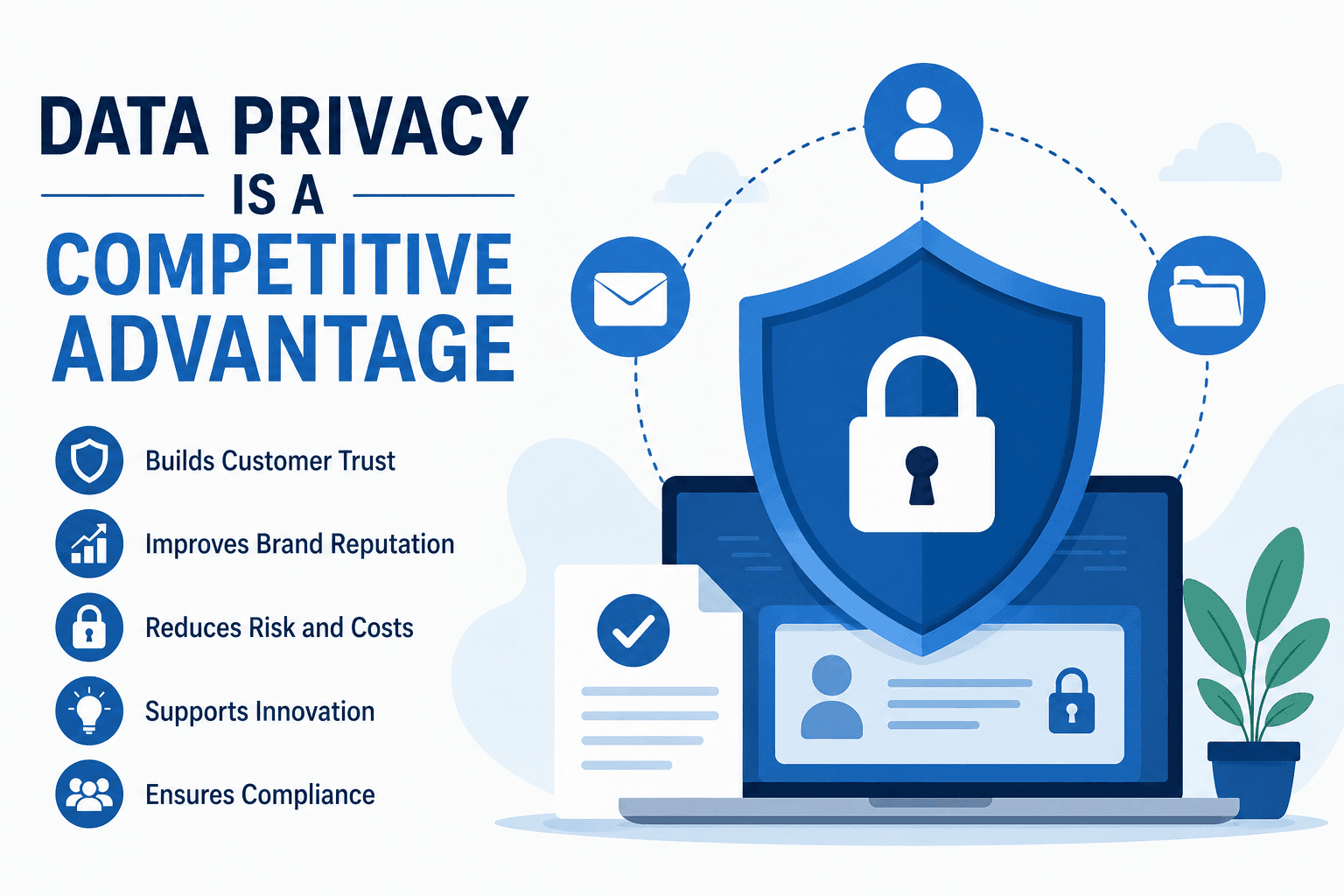
As digital transformation accelerates, businesses are collecting more customer and operational data than ever before. From online transactions and mobile applications to cloud platforms and artificial intelligence, data has become one of the world's most valuable business assets. However, with growing concerns about cyber threats and misuse of personal information, organizations are discovering that protecting data is no longer just a legal obligation—it has become a competitive advantage.
In 2026, customers expect companies to safeguard their information with transparency, accountability, and strong security practices. Businesses that prioritize data privacy are strengthening customer relationships, improving brand reputation, reducing regulatory risks, and differentiating themselves in increasingly competitive markets.
The Growing Importance of Data Privacy
Consumers are becoming more aware of how businesses collect, store, and use personal information. High-profile cyberattacks and data breaches have increased public concern, making trust a key factor in purchasing decisions.
Organizations now manage a wide range of sensitive information, including:
Customer profiles
Payment information
Business contracts
Employee records
Financial data
Healthcare information
Intellectual property
AI-generated insights
Protecting this information is essential for maintaining business continuity and long-term success.
Why Data Privacy Creates Business Value
Many organizations once viewed privacy as a compliance requirement. Today, it is increasingly recognized as a strategic business asset.
Builds Customer Trust
Customers are more likely to engage with businesses that clearly explain how their information is collected, used, and protected. Transparency encourages long-term loyalty and repeat business.
Strengthens Brand Reputation
Companies known for responsible data practices often enjoy stronger public confidence. A reputation for protecting customer information can become a key differentiator in competitive markets.
Reduces Financial Risk
Strong privacy practices help minimize the likelihood of costly data breaches, legal disputes, operational disruptions, and regulatory penalties.
Supports Digital Innovation
Organizations with well-managed data governance can confidently adopt artificial intelligence, cloud computing, and advanced analytics while maintaining customer trust.
Data Privacy and Artificial Intelligence
AI systems depend on large volumes of data to generate accurate insights. As AI adoption grows, organizations must ensure that data is collected and processed responsibly.
Businesses should focus on:
Secure data storage
Responsible AI governance
Data minimization
Access control
Encryption
Transparent AI policies
Regular security audits
Responsible AI and strong privacy practices work together to create trustworthy digital services.
Best Practices for Protecting Business Data
Successful organizations implement privacy throughout their operations rather than treating it as an afterthought.
Key best practices include:
Encrypt Sensitive Information
Encryption protects valuable business and customer data even if unauthorized access occurs.
Limit Data Access
Only authorized employees should have access to sensitive information required for their roles.
Educate Employees
Regular cybersecurity and privacy training help reduce human error, one of the leading causes of data breaches.
Monitor Security Continuously
Businesses should use real-time monitoring tools to detect unusual activity and respond quickly to potential threats.
Update Privacy Policies
Privacy policies should remain transparent, accurate, and aligned with changing business practices and legal requirements.
Conduct Regular Risk Assessments
Routine privacy reviews help identify vulnerabilities before they become serious security incidents.
Challenges Organizations Face
Despite increasing investment, businesses continue to face several privacy challenges.
Common obstacles include:
Expanding cyber threats
Complex regulatory environments
Third-party vendor risks
Cloud security management
Cross-border data transfers
Employee awareness
Rapid AI adoption
Addressing these challenges requires collaboration across technology, legal, compliance, and business leadership teams.
The Future of Business Privacy
Data privacy will become even more important as digital ecosystems expand. Businesses will increasingly adopt privacy-by-design principles, AI-powered security monitoring, zero-trust cybersecurity frameworks, and automated compliance tools.
Customers will continue choosing organizations that demonstrate accountability, transparency, and responsible handling of personal information.
Rather than being viewed as a cost center, data privacy will become a powerful driver of innovation, customer loyalty, and sustainable business growth.
Final Thoughts
In today's digital economy, protecting information is about far more than meeting regulatory requirements. Data privacy has become a competitive advantage that strengthens customer trust, reduces business risk, supports innovation, and enhances long-term success.
Organizations that invest in strong privacy practices today will be better positioned to navigate future technological advances while maintaining the confidence of customers, employees, and business partners.
As businesses continue embracing artificial intelligence, cloud computing, and digital transformation, data privacy will remain one of the most important foundations of responsible and sustainable growth.
Read more business insights, AI trends, and digital transformation strategies at: https://www.1st4ebusiness.com
| Category | Details |
|---|---|
| Topic | Finance |
| Author | Rose |
| Published | 01/07/2026 |
| Read Time | Not set |
R