B&Bitcoin & Crypto Market Update 2026: Key Trends, Risks & What Investors Should Watch
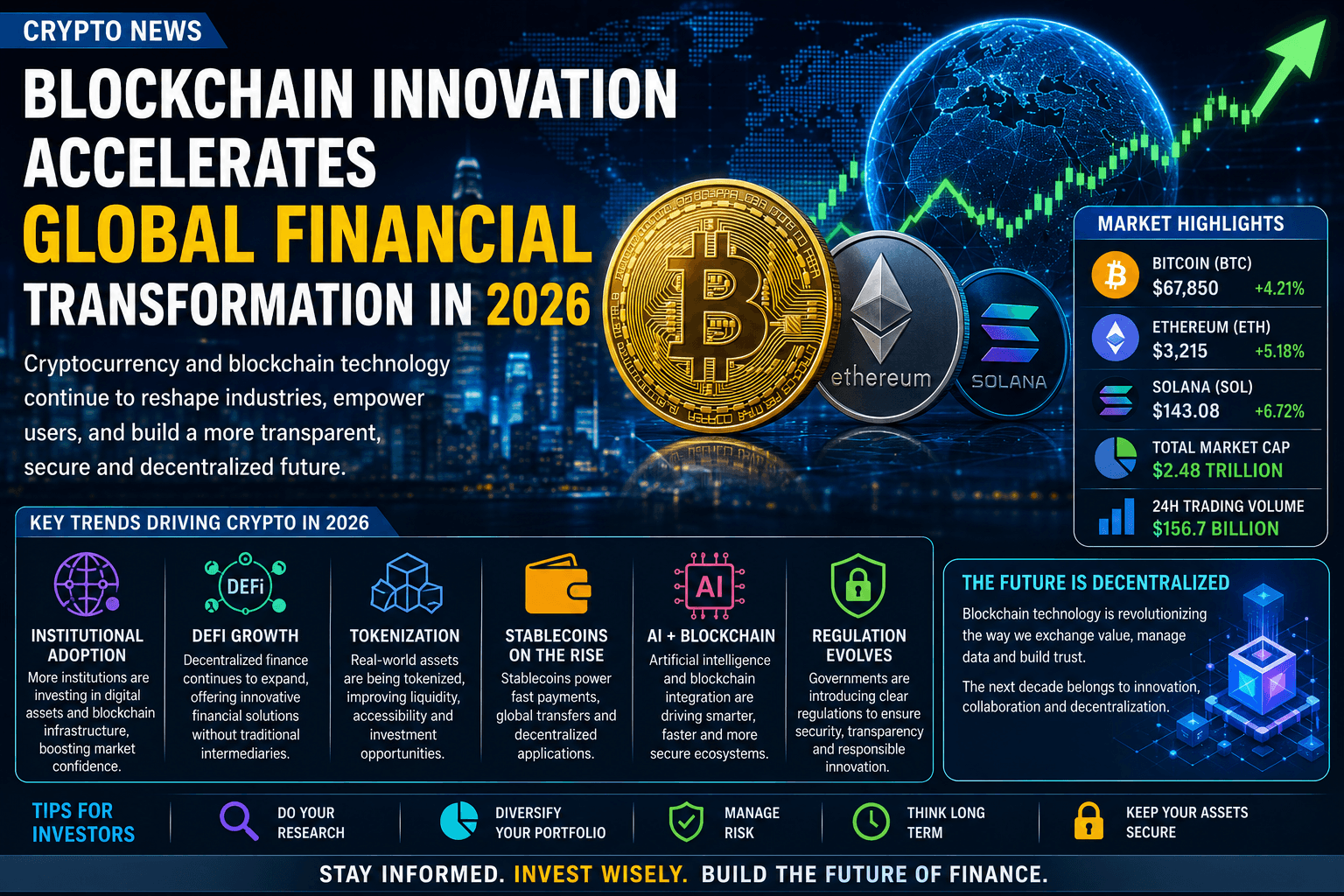
The cryptocurrency industry is entering a new era of maturity as blockchain technology expands beyond digital currencies and becomes a critical part of the global financial system. In 2026, businesses, financial institutions, governments, and technology companies are increasingly exploring blockchain-powered solutions to improve transparency, security, and efficiency.
While cryptocurrency prices continue to experience periods of volatility, the underlying technology has gained significant momentum. Digital assets are no longer viewed solely as speculative investments. Instead, blockchain is being integrated into banking, healthcare, logistics, gaming, real estate, and international trade.
As the industry evolves, investors are focusing on long-term innovation rather than short-term market fluctuations. This shift is helping build a stronger and more sustainable cryptocurrency ecosystem.
Cryptocurrency Adoption Continues to Expand Worldwide
One of the most important developments in 2026 is the continued growth of cryptocurrency adoption.
Millions of individuals now use digital assets for payments, investments, remittances, and decentralized financial services. Businesses are increasingly accepting cryptocurrency payments, while fintech companies continue integrating blockchain technology into their financial products.
Growing accessibility through user-friendly mobile applications and digital wallets has made cryptocurrency easier for everyday consumers to use.
As digital finance becomes more mainstream, adoption is expected to continue expanding across developed and emerging economies.
Blockchain Technology Is Transforming Multiple Industries
Although cryptocurrencies remain the most visible application of blockchain, businesses are increasingly using distributed ledger technology for practical commercial purposes.
Industries benefiting from blockchain include:
Banking and financial services
Supply chain management
Healthcare
Insurance
Real estate
Government services
Digital identity
Intellectual property management
Blockchain allows organizations to improve data security, reduce fraud, increase transparency, and automate administrative processes through smart contracts.
Web3 Creates New Digital Opportunities
Web3 continues to attract attention as developers build decentralized internet applications that give users greater control over their digital assets and personal information.
Unlike traditional online platforms, Web3 applications operate on decentralized blockchain networks.
Popular Web3 sectors include:
Decentralized social media
Blockchain gaming
Digital identity
NFT marketplaces
Decentralized finance
Creator economies
Although Web3 remains an evolving technology, many experts believe it represents the next phase of internet innovation.
Institutional Investors Strengthen Market Confidence
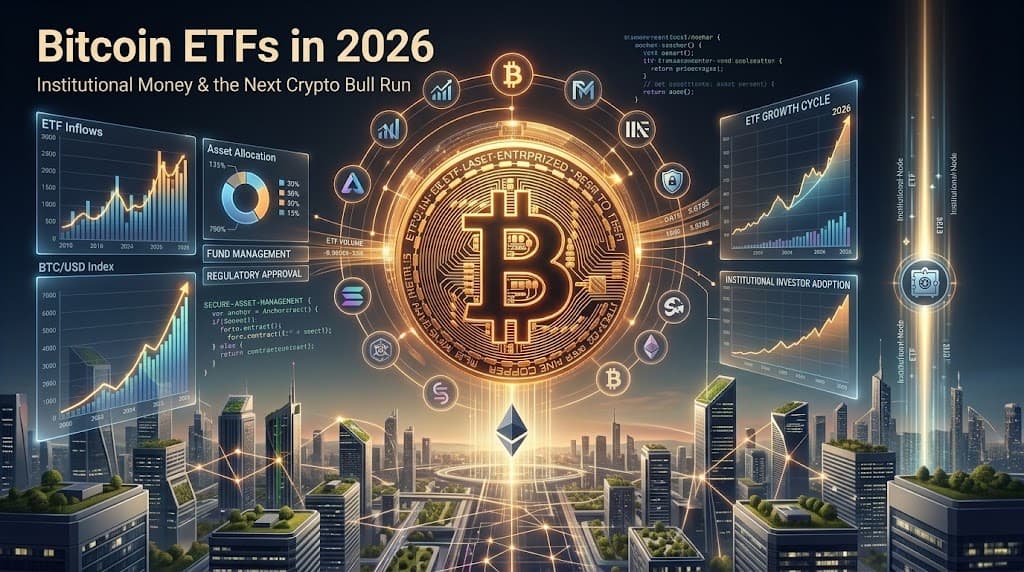
Institutional participation remains one of the strongest indicators of cryptocurrency market maturity.
Investment firms, hedge funds, family offices, and financial institutions continue increasing research into digital assets and blockchain infrastructure.
Professional investors are particularly interested in:
Bitcoin
Ethereum
Blockchain infrastructure companies
Digital asset custody services
Tokenization platforms
Blockchain payment networks
Improved regulation and stronger compliance standards have encouraged greater institutional confidence in the sector.
Stablecoins Continue Supporting Digital Payments
Stablecoins have become an essential part of the digital asset ecosystem.
Designed to reduce price volatility, stablecoins facilitate faster international payments, digital commerce, decentralized finance, and liquidity within cryptocurrency markets.
Businesses increasingly use stablecoins to reduce cross-border payment costs while improving settlement efficiency.
As digital commerce expands globally, stablecoins are expected to play an increasingly important role.
Decentralized Finance Keeps Growing
Decentralized Finance (DeFi) continues evolving as developers improve security, scalability, and user experience.
DeFi platforms provide financial services such as lending, borrowing, staking, and decentralized trading without relying entirely on traditional financial intermediaries.
Although risks remain, the sector has become more sophisticated through improved smart contract auditing and stronger governance mechanisms.
Investors continue monitoring DeFi as one of blockchain's most innovative financial applications.
Artificial Intelligence Meets Blockchain
Artificial intelligence is becoming increasingly integrated into blockchain ecosystems.
AI-powered systems help analyze blockchain transactions, detect fraud, improve cybersecurity, automate compliance, and optimize decentralized applications.
Developers are also exploring AI-driven smart contracts capable of responding dynamically to changing conditions.
The combination of blockchain and AI could significantly influence future financial innovation.
Regulatory Progress Encourages Responsible Growth
Governments around the world continue developing comprehensive cryptocurrency regulations.
Clear regulatory frameworks help protect consumers while encouraging responsible innovation.
Areas receiving increased regulatory attention include:
Digital asset exchanges
Consumer protection
Tax compliance
Stablecoin oversight
Anti-money laundering measures
Digital asset custody
Greater regulatory certainty may encourage broader participation from institutional investors and traditional financial institutions.
Security Remains Essential
Cybersecurity continues to be one of the industry's highest priorities.
Crypto users are encouraged to:
Enable multi-factor authentication
Use reputable exchanges
Protect recovery phrases
Store long-term holdings securely
Avoid suspicious investment offers
Keep software updated
Education remains one of the strongest defenses against fraud and cybercrime.
Tokenization Opens New Investment Opportunities
Tokenization is transforming how assets are owned and traded.
Real-world assets—including commercial property, infrastructure projects, private equity, and investment funds—can increasingly be represented digitally on blockchain networks.
Benefits of tokenization include:
Improved liquidity
Faster settlement
Fractional ownership
Greater investment accessibility
Enhanced transparency
Financial institutions continue investing in tokenization infrastructure as adoption grows.
Challenges Still Facing the Industry
Despite impressive progress, several challenges remain.
These include:
Market volatility
Regulatory differences between countries
Cybersecurity risks
Scalability challenges
Consumer education
Environmental sustainability for some blockchain networks
Addressing these issues will be important for the industry's long-term success.
Investment Strategies for 2026
Experienced investors increasingly focus on diversified digital asset portfolios rather than concentrating on a single cryptocurrency.
Common strategies include:
Long-term investing
Dollar-cost averaging
Portfolio diversification
Risk management
Continuous research
Secure asset storage
Rather than reacting emotionally to market fluctuations, disciplined investors emphasize patience and informed decision-making.
Looking Ahead
Blockchain innovation continues to reshape financial services, international commerce, and digital ownership.
As technology advances, collaboration between governments, financial institutions, technology companies, and blockchain developers will likely accelerate adoption across multiple industries.
The cryptocurrency market is expected to remain dynamic, offering opportunities for innovation while requiring investors to stay informed about changing market conditions.
Conclusion
The cryptocurrency industry in 2026 reflects a rapidly maturing ecosystem driven by technological innovation, institutional participation, and expanding real-world applications. Blockchain technology is no longer limited to digital currencies—it is becoming a foundation for the future of global finance.
While challenges remain, ongoing improvements in regulation, cybersecurity, scalability, and infrastructure continue strengthening the industry. Investors and businesses that focus on education, responsible risk management, and long-term trends will be better positioned to benefit from the next phase of digital finance.
As blockchain adoption expands worldwide, cryptocurrency is expected to remain one of the most influential technologies shaping the future of financial markets and the global digital economy.