Global financial markets continue to navigate economic uncertainty as interest rates, oil prices and inflation remain important factors influencing investment decisions and business strategies. Governments, central banks, investors and businesses are closely monitoring economic developments to understand how changing financial conditions may affect growth, employment and international trade.
In 2026, global markets are operating in an environment shaped by monetary policy decisions, geopolitical developments, energy demand, technological investment and changing consumer behavior. These factors influence stock markets, currency exchange rates, bond yields and commodity prices.
For businesses and investors, understanding the relationship between interest rates, oil prices and inflation is essential for making informed financial decisions. Although these economic factors can create challenges, they can also present opportunities for businesses that adapt to changing market conditions.
Understanding the Current Global Market Environment
Global financial markets are interconnected, meaning that economic developments in one country can affect businesses and investors around the world. Decisions made by major central banks, changes in energy prices and shifts in international trade can influence financial conditions across multiple regions.
Interest rates affect the cost of borrowing, while inflation influences purchasing power and business expenses. Oil prices influence transportation, manufacturing, energy production and the cost of many goods and services.
When these factors change simultaneously, businesses may face uncertainty regarding investment, operating costs and future demand.
Investors monitor economic indicators such as inflation reports, employment data, central bank announcements, industrial production and consumer spending to assess economic conditions.
These indicators provide important information about the direction of the economy, although unexpected events can quickly change market sentiment.
Rising Interest Rates and Their Impact on Global Markets
Interest rates are one of the most important tools central banks use to influence economic activity. When inflation remains elevated, central banks may increase interest rates to reduce borrowing and moderate demand. When economic activity weakens and inflation pressures ease, they may consider lowering rates.
Higher interest rates generally increase borrowing costs for households and businesses. Companies may delay expansion projects, reduce borrowing or reconsider investments when financing becomes more expensive.
Consumers may also face higher costs for mortgages, personal loans and credit. This can reduce disposable income and affect spending on non-essential products and services.
Financial markets respond to interest rate expectations because they influence investment returns, company valuations and the attractiveness of different financial assets.
For businesses, changing interest rates make financial planning especially important. Companies may need to review debt levels, manage cash flow and carefully assess the expected returns of new projects.
However, the impact of interest rates varies between industries. Financial institutions, property developers, manufacturers and consumer businesses can respond differently depending on their financing structures and customer demand.
Oil Prices and Their Influence on the Global Economy
Oil remains an important commodity for the global economy. It is widely used in transportation, manufacturing, agriculture, energy production and international logistics.
Changes in oil prices can influence business operating expenses and household budgets. When oil prices rise, transportation companies, airlines, manufacturers and other energy-intensive businesses may experience higher costs.
These expenses can sometimes be passed on to consumers through higher prices for goods and services, potentially contributing to inflation.
Oil prices are influenced by several factors, including global demand, production decisions, geopolitical developments, transportation disruptions and changes in energy inventories.
Countries that depend heavily on imported energy can be particularly exposed to international oil price fluctuations. Higher import costs may put pressure on trade balances, foreign currency reserves and domestic inflation.
Oil-producing countries may experience increased export revenues when prices rise, although the overall economic impact also depends on production costs, government spending and domestic economic conditions.
For businesses, energy efficiency, supply-chain planning and careful budgeting can help reduce exposure to oil price volatility.
Inflation Concerns and Consumer Purchasing Power
Inflation refers to a sustained increase in the general price level of goods and services over time. When inflation rises faster than household income, consumers may experience a decline in purchasing power.
Food, housing, transportation, energy and healthcare expenses can have a significant effect on household budgets. Higher prices may lead consumers to reduce discretionary spending, change purchasing habits or seek more affordable alternatives.
For businesses, inflation can increase expenses related to raw materials, wages, transportation, rent and utilities.
Companies may respond by improving operational efficiency, renegotiating supplier contracts, adjusting product offerings or changing prices. However, passing all cost increases on to customers may not be possible in highly competitive markets.
Central banks monitor inflation closely because persistent price increases can affect economic stability and expectations about future prices.
Inflation also influences savings and investment decisions. Investors may consider how inflation affects the real value of returns and the purchasing power of their assets.
How Global Stock Markets Respond to Economic Uncertainty
Stock markets respond to a combination of corporate earnings, economic indicators, interest rate expectations and investor sentiment.
When borrowing costs increase, companies may face higher financing expenses, while consumers may reduce spending. These developments can influence expectations about corporate profits and stock valuations.
However, stock markets do not always move in the same direction in response to economic news. Some industries may benefit from changing conditions, while others may face additional pressure.
Technology companies, financial institutions, energy producers and consumer businesses can have different levels of sensitivity to interest rates, inflation and commodity prices.
Investors therefore examine company-specific factors alongside broader economic developments.
Long-term investment decisions generally require an understanding of business fundamentals, financial risks, market valuations and individual investment objectives rather than relying solely on short-term market movements.
The Role of Central Banks in Financial Stability
Central banks play a major role in managing monetary policy and supporting financial stability. Institutions such as the Federal Reserve, the European Central Bank and the Bank of England monitor economic conditions and make monetary policy decisions within their respective mandates.
Their policy tools include setting benchmark interest rates, managing liquidity and communicating expectations about future monetary conditions.
Interest rate decisions can influence borrowing costs, currency movements, consumer spending and investment activity.
Central banks must often balance several objectives, such as maintaining price stability and supporting sustainable economic activity, according to their legal mandates.
Their decisions can affect financial markets internationally, particularly when changes influence the value of major currencies or the cost of global borrowing.
Businesses and investors closely monitor central bank announcements because unexpected policy changes can lead to volatility in bond, currency and stock markets.
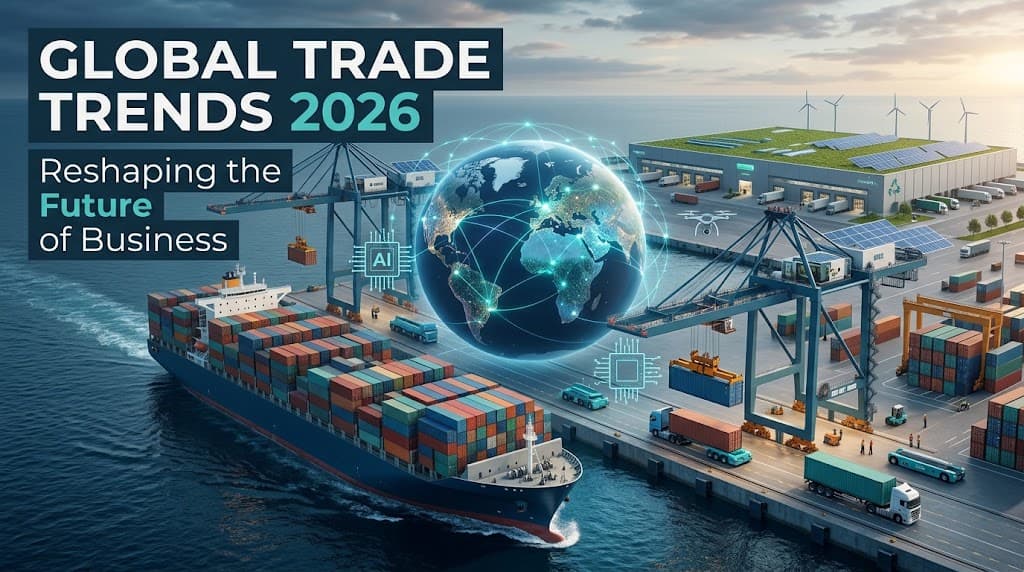
The Impact on International Trade and Supply Chains
Global trade is closely connected to financial conditions, energy prices and consumer demand. When borrowing costs rise or inflation reduces purchasing power, demand for certain imported goods may weaken.
Higher fuel and transportation costs can also increase the expenses associated with shipping products internationally.
Businesses that rely on global supply chains may experience additional uncertainty when energy prices, currency exchange rates or freight costs fluctuate.
Manufacturers may respond by diversifying suppliers, improving inventory management or evaluating alternative transportation routes.
Currency movements can also affect international trade. A weaker domestic currency may make exports more competitively priced in foreign markets, but it can increase the cost of imported materials and energy.
Companies involved in international trade need to monitor these changes when preparing budgets, negotiating contracts and planning expansion into new markets.
How Emerging Markets Are Affected
Emerging markets can be particularly sensitive to global financial conditions because some rely heavily on imported energy, foreign investment and international borrowing.
Higher global interest rates may increase financing costs for governments and companies that borrow in foreign currencies. Changes in international investor sentiment can also affect capital flows and currency stability.
Oil-importing economies may face additional pressure when international energy prices rise, potentially increasing import bills and domestic inflation.
At the same time, emerging markets can benefit from opportunities in manufacturing, technology services, renewable energy and international trade.
Countries that improve infrastructure, strengthen financial institutions and encourage investment may be better equipped to manage external economic pressures.
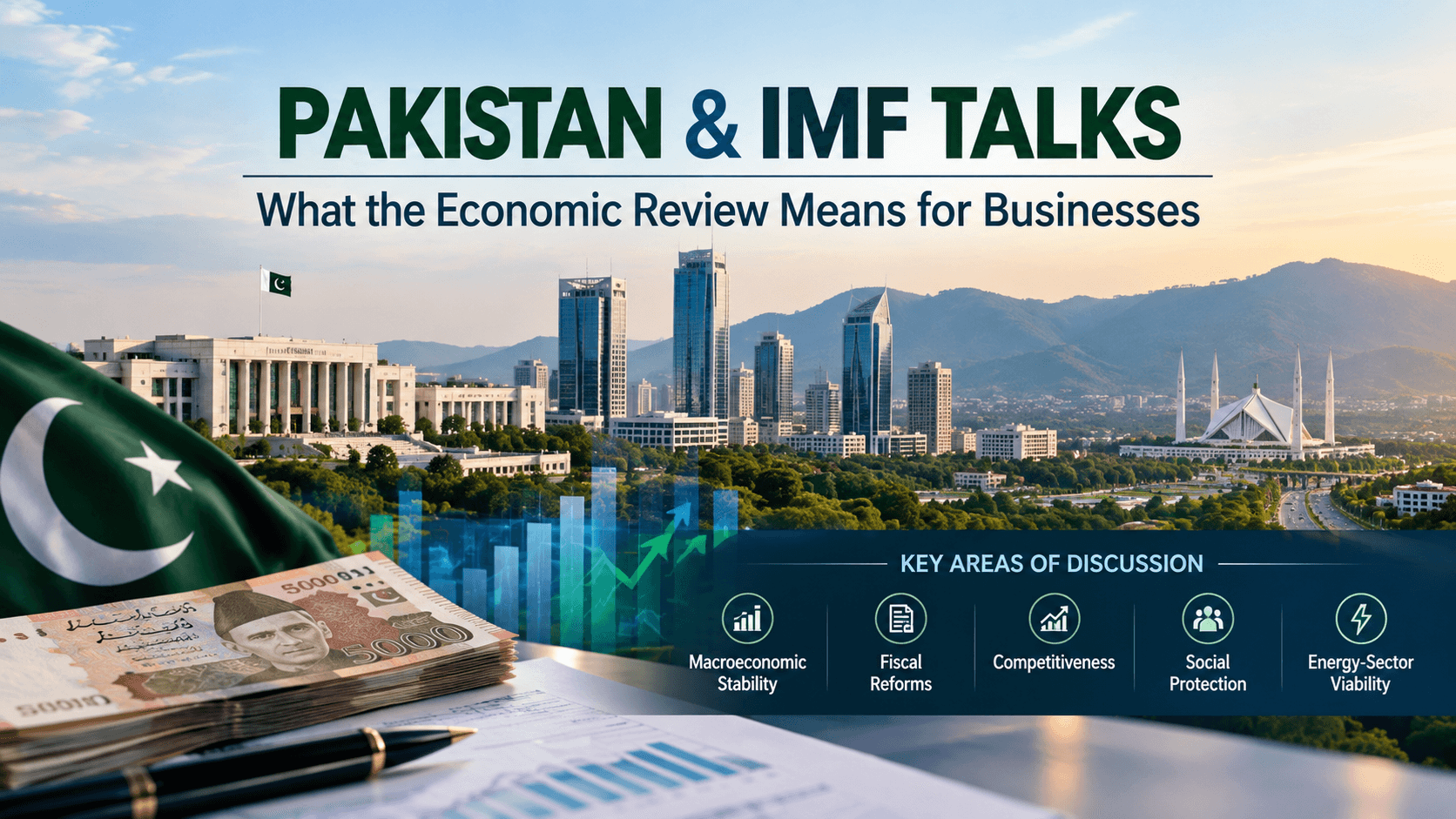
In Pakistan, for example, international oil prices, currency movements, inflation and borrowing costs are important considerations for businesses and policymakers. Energy expenses can affect transportation, agriculture, manufacturing and household purchasing power.
Diversifying energy sources, improving productivity and supporting export-oriented industries are among the areas that can contribute to economic resilience.
Business Strategies for Managing Market Volatility
Businesses can take several practical steps to manage uncertainty caused by changing interest rates, inflation and energy prices.
Improve cash flow management: Regularly reviewing income, expenses, receivables and debt obligations can help businesses prepare for unexpected financial pressures.
Control operating costs: Companies can examine energy usage, logistics expenses, supplier contracts and internal processes to identify potential efficiencies.
Diversify suppliers: Depending on multiple suppliers or a single transportation route can expose businesses to disruptions. Diversification may help reduce some supply-chain risks.
Review borrowing arrangements: Businesses should assess debt levels, repayment schedules and exposure to variable interest rates when planning investments.
Use data for financial planning: Economic indicators, sales information and demand forecasts can help companies evaluate different business scenarios.
Maintain flexibility: Businesses that can adjust inventory, expenses and investment plans may be better prepared to respond to changing economic conditions.
These strategies cannot eliminate market risks, but they can help businesses make more informed decisions and maintain financial stability.
Investment Opportunities in a Changing Global Economy
Economic uncertainty can influence investment opportunities across different sectors. Investors may examine industries that have distinct revenue sources, cost structures and responses to inflation and interest rate changes.
Energy companies, infrastructure providers, technology businesses, financial institutions and consumer goods manufacturers can each be affected differently by economic conditions.
Renewable energy and energy-efficiency technologies may attract investment as businesses and governments seek to manage energy costs and diversify supplies.
Technology companies may also benefit from demand for automation, digital infrastructure and data analytics, although valuations and competition remain important considerations.
Investors should avoid assuming that any sector will necessarily perform well under particular economic conditions. Investment decisions require consideration of valuations, financial performance, risk tolerance, time horizons and diversification.
The Economic Outlook for 2026
The global economic outlook depends on a range of interconnected factors, including inflation, interest rates, energy markets, consumer demand, government policies and geopolitical developments.
A reduction in inflationary pressures could provide central banks with greater flexibility in monetary policy. However, persistent price increases or unexpected supply disruptions could complicate policy decisions.
Businesses are likely to continue monitoring financing conditions, energy expenses, international trade and customer demand as they develop investment and expansion strategies.
Technological innovation, particularly in artificial intelligence and automation, may also influence productivity and competitiveness across industries.
The interaction between these factors will shape economic conditions in different countries and regions. As a result, businesses and investors should consider multiple scenarios rather than relying on a single economic forecast.
Conclusion
Global markets in 2026 are influenced by changing interest rates, oil prices and inflation concerns. These factors affect borrowing costs, consumer purchasing power, business expenses, international trade and investment decisions.
For businesses, understanding economic developments can support better financial planning, cost management and long-term strategy. For investors, monitoring market indicators and assessing financial risks can help inform decisions in uncertain conditions.
Although market volatility can create challenges, it also encourages businesses to review their operations, improve efficiency and explore new opportunities.
As the global economy continues to evolve, adaptability, responsible financial management and informed decision-making will remain important for businesses, investors and policymakers.
Frequently Asked Questions (FAQs)
1. What are the main factors affecting global markets in 2026?
Major factors include interest rate decisions, inflation, oil prices, geopolitical developments, international trade, consumer spending and corporate earnings. These factors influence financial conditions and investor sentiment worldwide.
2. How do rising interest rates affect the global economy?
Rising interest rates generally increase borrowing costs for businesses and consumers. This can reduce spending and investment, influence financial markets and help central banks moderate inflationary pressures.
3. Why are oil prices important to global financial markets?
Oil is an important input for transportation, manufacturing, agriculture and energy production. Changes in oil prices can affect operating costs, inflation, international trade and the economic performance of oil-importing and oil-exporting countries.
4. How does inflation affect businesses and consumers?
Inflation reduces purchasing power when incomes do not increase at the same rate as prices. It can also increase business expenses for materials, wages, transportation and utilities, affecting profitability and consumer demand.
5. How do interest rates affect stock markets?
Interest rates influence corporate borrowing costs, consumer spending and the valuation of future company earnings. Changes in interest rate expectations can therefore affect stock prices, although the impact varies across companies and industries.
6. How do global market changes affect Pakistan?
Global market changes can affect Pakistan through imported energy prices, currency exchange rates, foreign investment, borrowing costs and international trade. These developments can influence domestic inflation, business expenses and economic activity.
7. What happens when oil prices increase?
Higher oil prices can raise transportation, manufacturing and energy costs. This may contribute to inflation and reduce consumer purchasing power, although the impact varies depending on whether a country is an oil importer or exporter.
8. How can businesses protect themselves from market volatility?
Businesses can improve cash flow management, control operating costs, diversify suppliers, review debt exposure, monitor economic indicators and develop flexible financial plans to manage uncertainty.
9. What role do central banks play in global markets?
Central banks use monetary policy tools, including benchmark interest rates, to pursue their legal objectives, such as price stability and sustainable economic activity. Their decisions influence borrowing costs, currency movements and financial market conditions.
10. What is the outlook for global markets in 2026?
The outlook depends on inflation trends, central bank decisions, energy prices, geopolitical developments and economic growth. Conditions may differ across countries and industries, so investors and businesses should monitor reliable economic data and consider a range of possible scenarios.