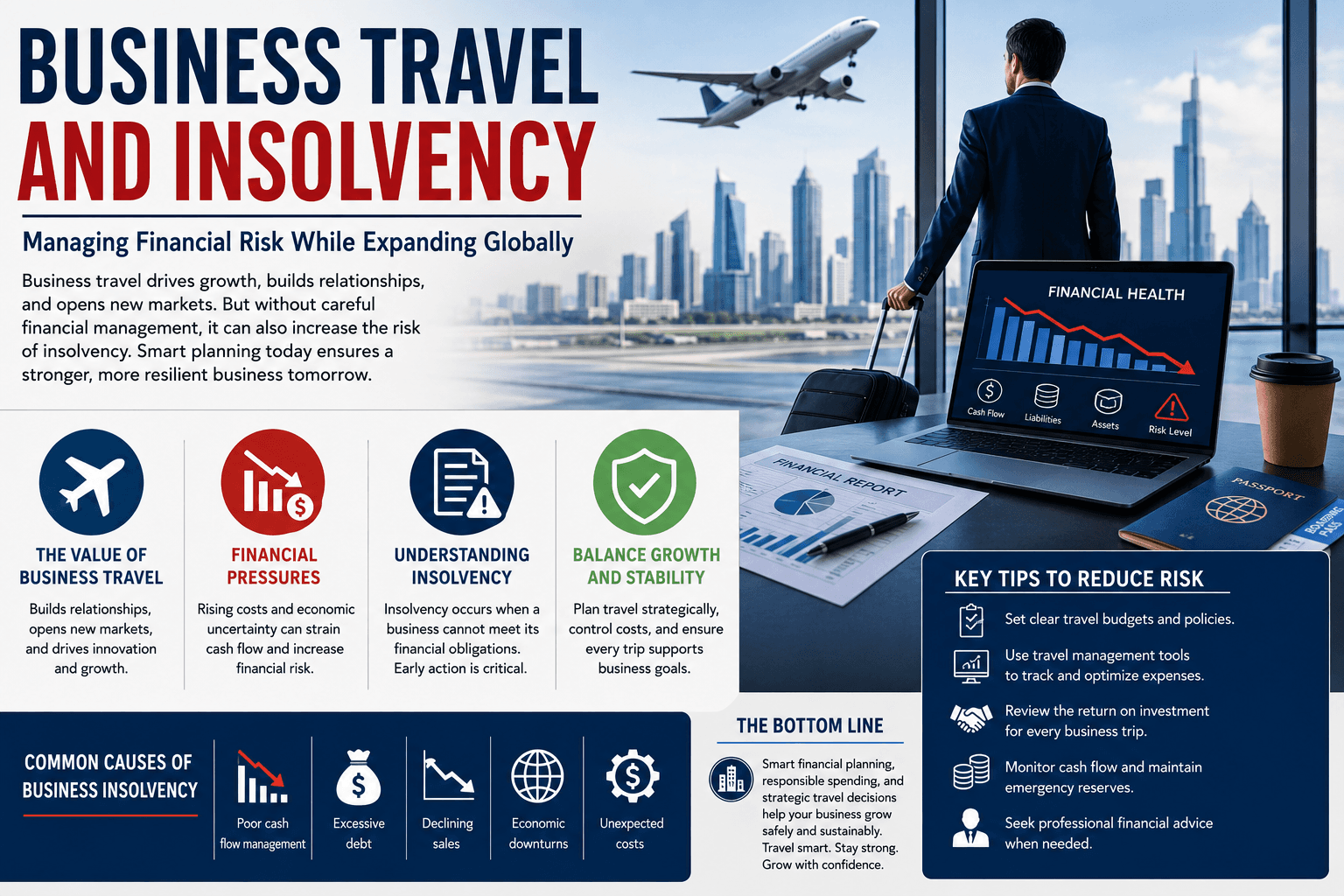

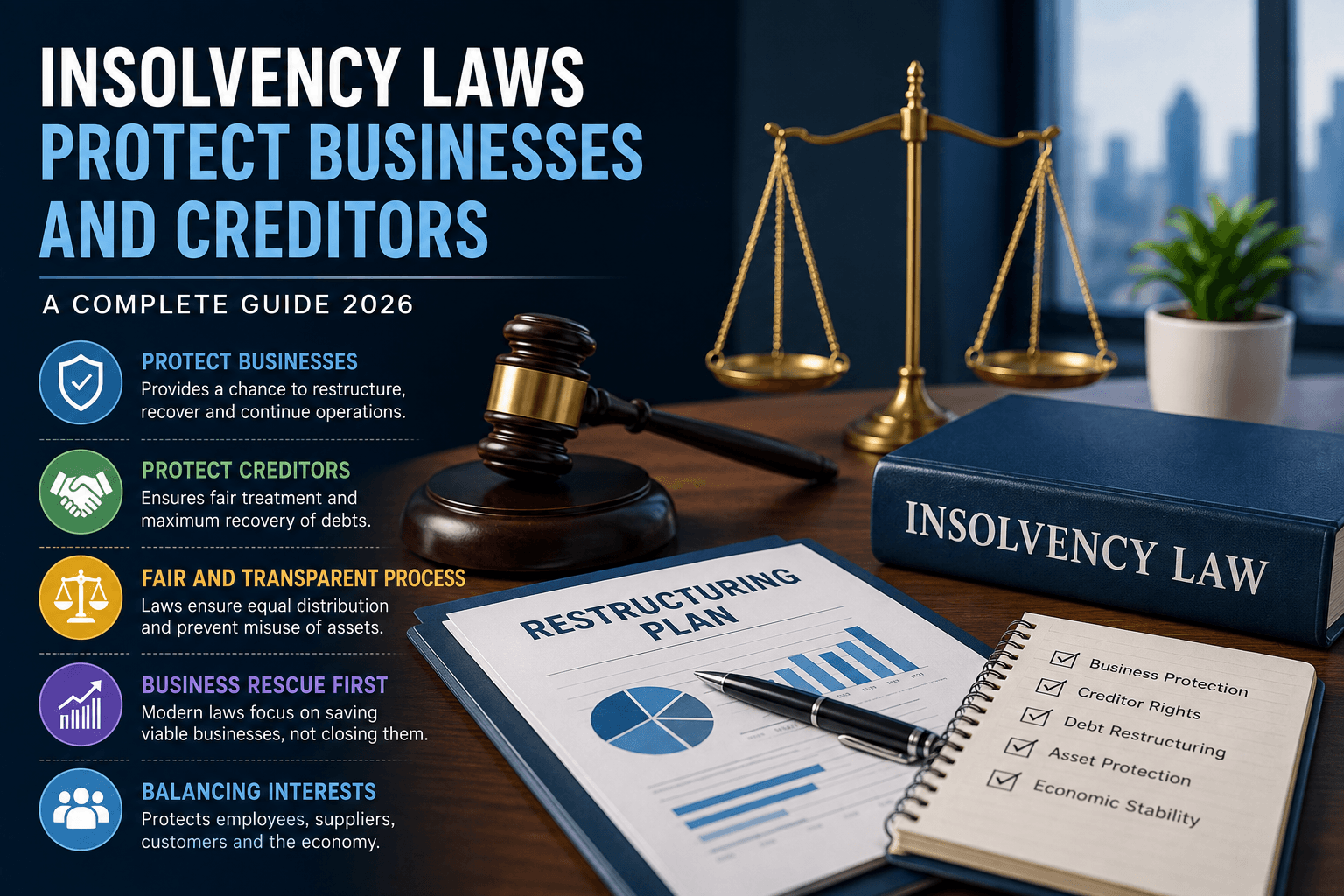
Insolvency is an important financial issue that can affect businesses of all sizes. In 2026, changing economic conditions, rising operating costs, increased borrowing expenses, and cash-flow challenges can make it difficult for some businesses to meet their financial obligations.
Understanding what insolvency means, why businesses become insolvent, and what happens afterward can help business owners, creditors, employees, and investors make informed decisions.
What Is Insolvency?
Insolvency generally refers to a situation where an individual or business cannot meet its financial obligations when they become due, or where its liabilities exceed the value of its assets, depending on the legal test used in the relevant jurisdiction.
There are two commonly discussed forms of insolvency:
1. Cash-Flow Insolvency
A business may have valuable assets but still lack enough available cash to pay bills, suppliers, employees, lenders, or other creditors on time.
2. Balance-Sheet Insolvency
This occurs when the value of a company's liabilities exceeds the value of its assets under the applicable accounting or legal framework.
The precise definition and legal consequences of insolvency vary by country, so businesses should consult qualified local legal or financial professionals.
What Causes Business Insolvency?
Several factors can contribute to financial distress.
Poor Cash-Flow Management
A profitable business can still experience financial problems if customers pay late while expenses and debt payments are due immediately.
High Debt Levels
Heavy borrowing can create substantial repayment obligations. Rising interest costs or declining revenue can make those obligations harder to manage.
Declining Sales
A sustained fall in demand can reduce revenue and leave businesses unable to cover fixed costs such as rent, salaries, utilities, and loan payments.
Rising Operating Costs
Higher costs for materials, transportation, wages, energy, or other business inputs can reduce margins and put pressure on cash flow.
Unexpected Financial Shocks
Legal disputes, supply-chain disruptions, major equipment failures, or the loss of a major customer can quickly create financial difficulties.
Early Warning Signs of Insolvency
Businesses may experience warning signs before reaching formal insolvency.
Common indicators include:
Repeatedly missing supplier payments
Increasing reliance on short-term borrowing
Difficulty paying employees or taxes on time
Persistent negative cash flow
Creditors demanding payment
Declining profit margins
Frequently exceeding credit limits
Difficulty obtaining additional financing
Delayed payments to lenders or other creditors
Recognizing these signs early can give a business more opportunity to explore restructuring or other solutions.
What Happens When a Business Becomes Insolvent?
The process depends heavily on the country's insolvency laws and the company's circumstances.
A business may consider options such as restructuring, negotiating with creditors, entering a formal insolvency procedure, selling assets, or winding up the company.
In a formal process, an insolvency professional or other legally authorized person may become involved. Their responsibilities can include reviewing the company's financial position, dealing with creditors, protecting or realizing assets, and administering the applicable procedure.
Can an Insolvent Business Continue Operating?
Yes, in some circumstances.
Insolvency does not always mean that a company immediately stops trading. Certain restructuring or rescue procedures may allow a business to continue operating while its financial problems are addressed.
Whether trading can continue depends on the applicable law, the company's financial position, and the specific insolvency procedure.
What Happens to Creditors?
Creditors may need to submit claims through the relevant insolvency process.
The amount they ultimately recover can depend on factors such as:
The type of debt
Whether the creditor has security
The company's available assets
The priority rules under applicable law
Administrative and insolvency costs
Secured and unsecured creditors can be treated differently, depending on the jurisdiction.
What Happens to Employees?
Employees can be affected when a business becomes insolvent. Possible consequences include delayed wages, changes to employment arrangements, or redundancies.
Some countries have legal protections or compensation schemes for employees affected by insolvency. The availability and scope of these protections vary by jurisdiction.
Insolvency vs Bankruptcy
The terms insolvency and bankruptcy are often used interchangeably in everyday conversation, but they do not necessarily mean the same thing legally.
Insolvency generally describes financial inability to meet obligations or a particular financial condition.
Bankruptcy, where the term applies, is usually a formal legal process governed by specific legislation. Some jurisdictions primarily use separate procedures for companies and individuals.
Therefore, the exact distinction depends on the country involved.
How Can Businesses Avoid Insolvency?
Businesses can reduce financial risk through proactive financial management.
Monitor Cash Flow
Regularly tracking money coming into and leaving the business can help identify problems early.
Control Debt
Companies should carefully assess borrowing costs and repayment schedules before taking on additional debt.
Maintain Emergency Reserves
Maintaining appropriate cash reserves can provide a buffer against unexpected expenses or temporary revenue declines.
Review Expenses
Regular reviews can identify unnecessary costs and opportunities to improve efficiency.
Communicate With Creditors
If payment difficulties arise, early communication with lenders and suppliers may provide opportunities to negotiate revised payment arrangements.
Seek Professional Advice Early
Accountants, restructuring professionals, and qualified legal advisers can help businesses understand their options before financial problems become more serious.
Final Thoughts
Insolvency is not always the immediate end of a business. Depending on the circumstances and applicable law, a financially distressed company may have options for restructuring, refinancing, negotiating with creditors, or entering a formal rescue procedure.
The most important step is often early recognition of financial difficulties. Businesses that monitor cash flow, control debt, and seek professional advice early may have more options available to them.
Because insolvency laws differ significantly between countries, businesses should obtain professional advice based on the jurisdiction in which they operate.
Frequently Asked Questions About Insolvency
1. What is insolvency?
Insolvency is a financial condition in which a person or business cannot meet its financial obligations, or its liabilities exceed its assets, depending on the applicable legal test.
2. What are the main types of insolvency?
The two commonly discussed forms are cash-flow insolvency and balance-sheet insolvency.
3. What is cash-flow insolvency?
Cash-flow insolvency occurs when a business does not have enough available funds to pay its debts when they become due.
4. What is balance-sheet insolvency?
Balance-sheet insolvency generally refers to a situation where a company's liabilities exceed the value of its assets.
5. What causes business insolvency?
Common causes include declining sales, excessive debt, poor cash-flow management, rising costs, unexpected expenses, and loss of major customers.
6. Can a profitable business become insolvent?
Yes. A business can report accounting profits but still experience cash-flow problems that prevent it from paying debts on time.
7. What are the warning signs of insolvency?
Warning signs may include missed payments, persistent cash-flow problems, increasing debt, creditor demands, declining sales, and difficulty paying employees or suppliers.
8. Is insolvency the same as bankruptcy?
Not necessarily. Insolvency generally describes a financial condition, while bankruptcy is a formal legal process in jurisdictions that use that term.
9. Can an insolvent company continue trading?
In some circumstances, yes. Certain restructuring or rescue procedures may allow a financially distressed business to continue operating.
10. What happens when a company becomes insolvent?
Depending on local law, the company may restructure its debts, negotiate with creditors, enter a formal insolvency procedure, sell assets, or wind up.
11. What happens to company assets during insolvency?
Assets may be reviewed, protected, sold, or otherwise dealt with according to the applicable insolvency procedure and legal priority rules.
12. What happens to creditors?
Creditors generally submit claims through the applicable process. Their recovery can depend on whether their claims are secured or unsecured and on the assets available.
13. What happens to employees when a company becomes insolvent?
Employees may face delayed wages, changes in employment, or redundancies. Employee protections vary by country.
14. Can creditors force a company into insolvency proceedings?
In some jurisdictions, creditors can initiate formal insolvency proceedings when specific legal requirements are satisfied.
15. Can insolvency be prevented?
Early financial planning, effective cash-flow management, debt control, cost management, and timely professional advice may help reduce the risk of insolvency.
16. Can an insolvent business restructure its debt?
Potentially, yes. Depending on local law, businesses may have restructuring, refinancing, settlement, or formal rescue options.
17. How long does an insolvency process take?
There is no universal timeframe. It can range from months to several years depending on the procedure, complexity, assets, creditors, and jurisdiction.
18. Does insolvency always mean a business will close?
No. Some insolvency procedures are designed to help financially distressed businesses restructure and continue operating.
19. How does insolvency affect a company's reputation?
Insolvency can affect relationships with lenders, suppliers, customers, employees, and investors. The impact depends on the circumstances and how the business handles the process.
20. When should a business seek insolvency advice?
A business should consider professional advice as soon as it begins experiencing serious or persistent difficulties meeting its financial obligations. Early advice may help identify available options before the situation becomes more complicated.