Introduction
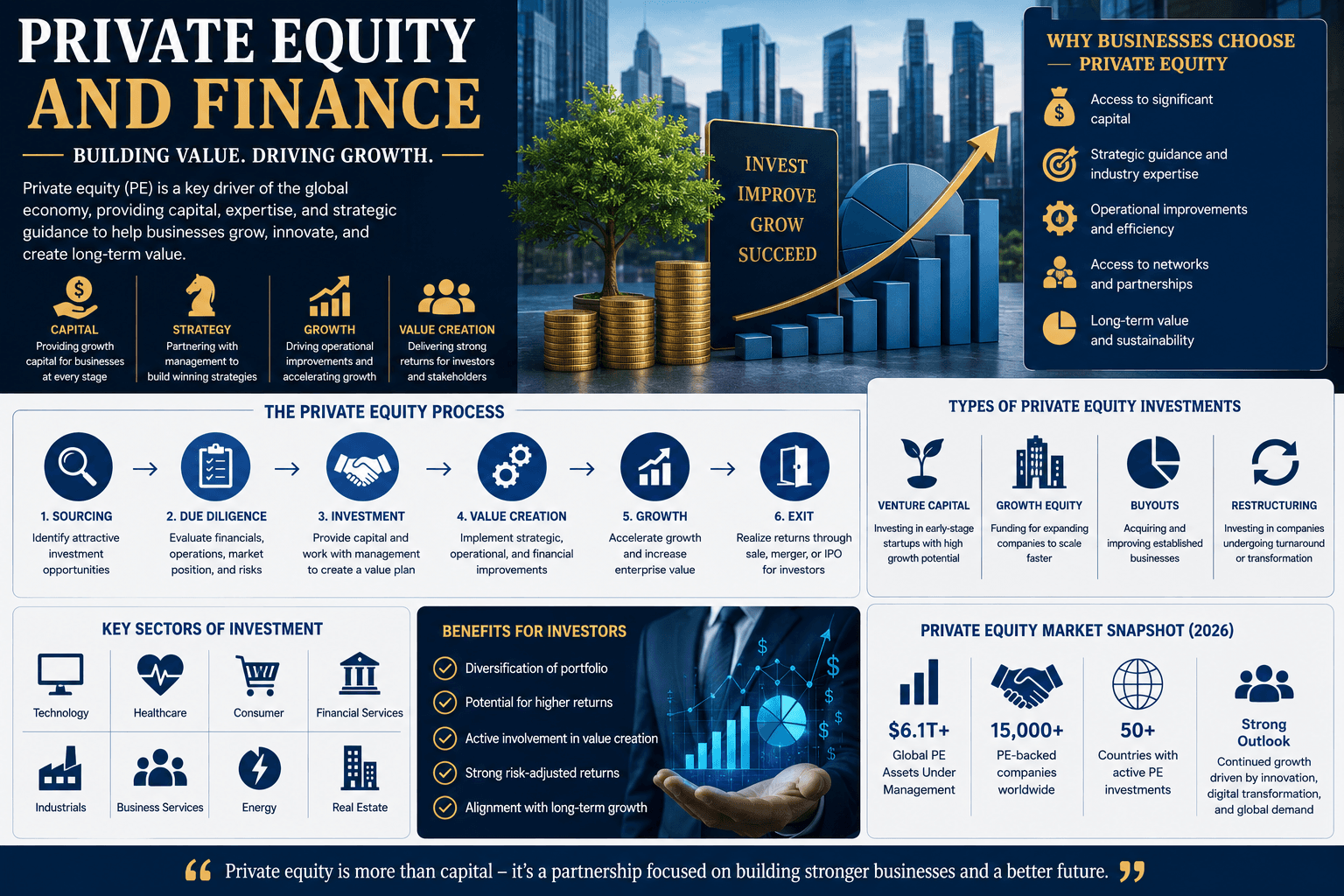
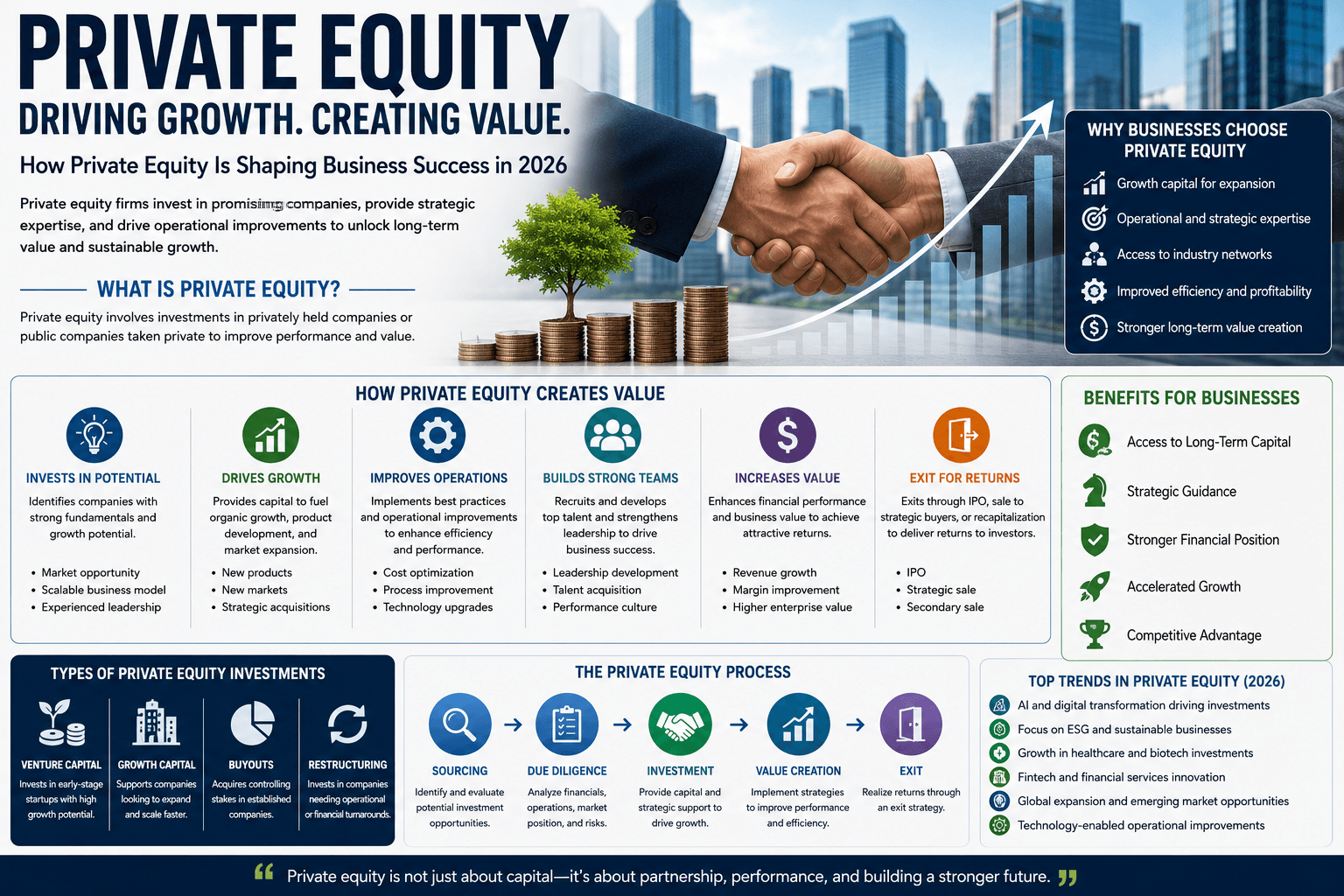
At our organisation, we believe private equity is more than a source of capital—it is a strategic partnership that helps businesses achieve sustainable growth, accelerate innovation, and strengthen long-term competitiveness. As industries continue to evolve through digital transformation, changing customer expectations, and global market expansion, businesses need more than funding to succeed. They need strategic guidance, operational excellence, and a clear vision for the future.
Our strategy focuses on helping businesses maximise the value of private equity by aligning investment with innovation, financial discipline, technology adoption, and scalable growth. Through responsible investment and collaborative leadership, we support organisations in building resilient businesses that create lasting value.
1. Invest in Scalable Growth
Our strategy prioritises investments that support long-term expansion rather than short-term gains. Businesses should focus on scalable operations, sustainable revenue models, and continuous innovation to maximise the impact of private equity investment.
2. Strengthen Business Foundations
Successful businesses require strong operational and financial foundations. We encourage organisations to develop clear business strategies, maintain sound financial management, improve governance, and establish measurable growth objectives before seeking investment.
3. Accelerate Digital Transformation
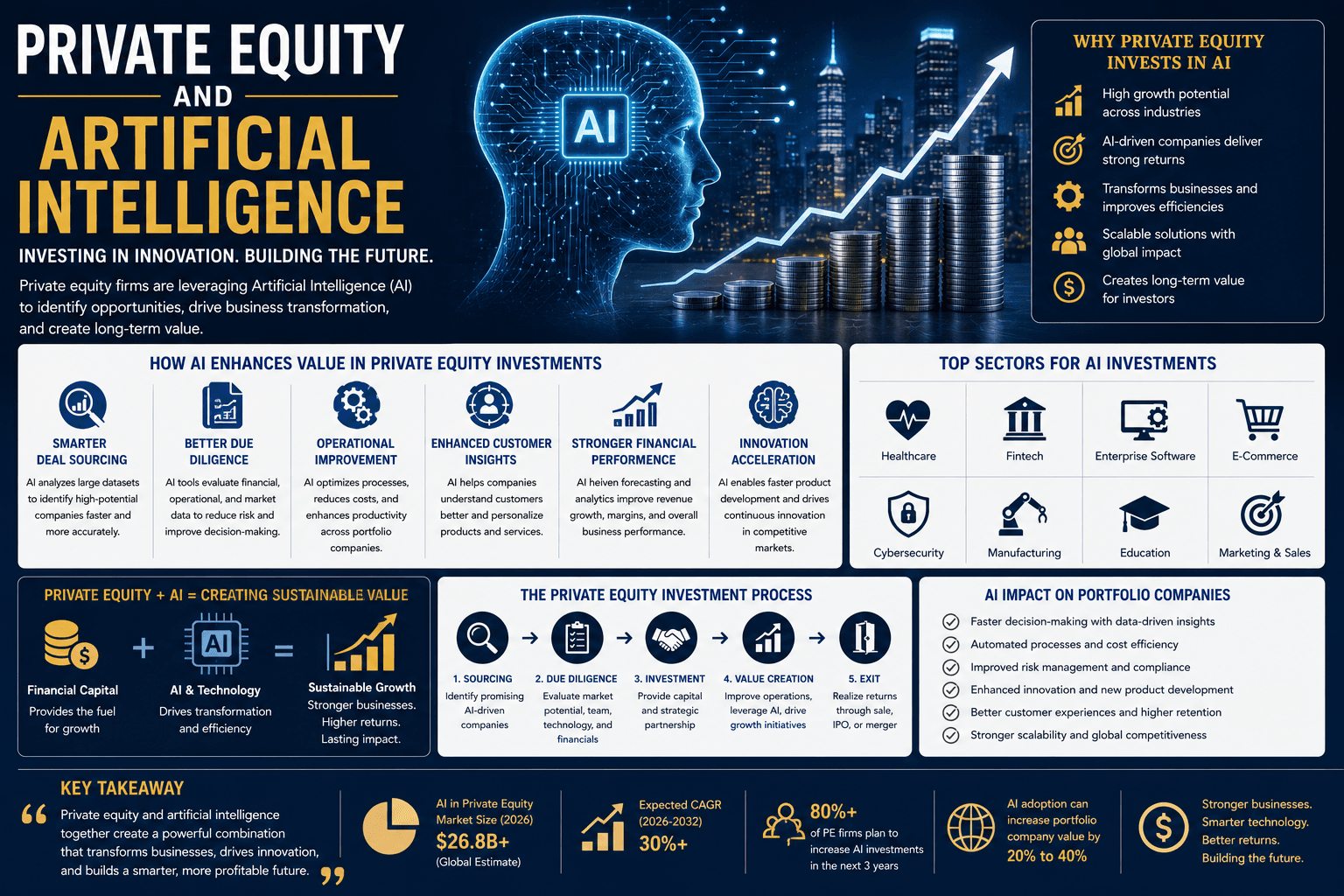
Technology plays a central role in business success. Our approach supports investment in artificial intelligence, cloud computing, cybersecurity, automation, and data analytics to improve productivity, customer experiences, and operational efficiency.
4. Improve Operational Performance
Private equity should drive meaningful business improvements. We encourage organisations to optimise internal processes, strengthen supply chains, improve financial planning, enhance customer service, and increase overall operational efficiency.
5. Support Market Expansion
Growth opportunities often exist beyond existing markets. Our strategy promotes responsible expansion into new regions, industries, and customer segments through strategic planning, digital marketing, and scalable business operations.
6. Build Strong Leadership Teams
Business growth depends on capable leadership. We believe investing in leadership development, employee training, and collaborative workplace cultures creates stronger organisations that are better prepared for sustainable expansion.
7. Create Long-Term Investor Value
Responsible investment requires balancing business growth with long-term value creation. We encourage transparent reporting, measurable performance, and strategic decision-making that benefits both businesses and investment partners.
8. Promote Sustainable Business Practices
Modern businesses should integrate sustainability into their growth strategies. Our approach supports ethical leadership, responsible governance, environmental awareness, and socially responsible business practices that contribute to long-term success.
9. Leverage Data for Better Decisions
Data-driven insights help businesses identify market opportunities, improve financial planning, monitor operational performance, and make informed strategic decisions. Using accurate data enables organisations to maximise investment returns while reducing business risks.
10. Prepare for Future Opportunities
Markets continue to evolve rapidly through technological innovation and changing customer expectations. Our strategy encourages businesses to remain adaptable, embrace emerging technologies, continuously improve operations, and prepare for future growth opportunities.
Here are additional SEO-friendly headings with detailed explanations you can add to strengthen your article.
11. Develop a Clear Investment Roadmap
A successful private equity strategy begins with a well-defined investment roadmap. Businesses should establish clear objectives, identify growth opportunities, assess potential risks, and create measurable milestones before seeking investment. A structured plan helps ensure that capital is allocated efficiently and supports sustainable long-term growth.
12. Focus on Value Creation
Private equity should be used to create lasting business value rather than simply increasing short-term revenue. Businesses can achieve this by improving operational efficiency, expanding product offerings, strengthening customer relationships, and investing in innovation. A value-driven approach increases competitiveness and enhances long-term profitability.
13. Strengthen Corporate Governance
Strong governance is essential for building investor confidence and supporting sustainable growth. Businesses should establish transparent reporting systems, maintain ethical leadership, improve decision-making processes, and ensure accountability across all levels of the organisation. Effective governance reduces risk and creates a stable foundation for future expansion.
14. Encourage Innovation Across the Business
Innovation should be embedded throughout the organisation rather than limited to product development. Encouraging employees to contribute new ideas, improve workflows, and adopt emerging technologies helps businesses remain competitive and respond effectively to changing market demands.
15. Optimise Capital Allocation
Using investment capital wisely is critical for maximising returns. Businesses should prioritise investments that generate long-term value, such as technology upgrades, research and development, infrastructure improvements, and workforce development. Strategic capital allocation supports sustainable growth while minimising unnecessary financial risk.
16. Strengthen Customer Relationships
Customer satisfaction remains one of the strongest drivers of business success. Investing in better customer experiences, personalised services, and responsive support helps increase customer loyalty, improve retention rates, and strengthen brand reputation over time.
17. Expand Through Strategic Partnerships
Collaborating with industry partners, suppliers, technology providers, and complementary businesses can accelerate growth. Strategic partnerships provide access to new markets, specialised expertise, innovative technologies, and additional business opportunities while reducing expansion risks.
18. Monitor Performance with Key Metrics
Measuring business performance is essential after receiving private equity investment. Organisations should regularly monitor key performance indicators (KPIs) such as revenue growth, profitability, customer acquisition, operational efficiency, employee productivity, and return on investment. Continuous performance tracking enables informed strategic adjustments.
19. Manage Risk Effectively
Every investment involves potential risks. Businesses should implement comprehensive risk management strategies that address financial planning, regulatory compliance, cybersecurity, market volatility, and operational resilience. Proactive risk management helps protect long-term business value.
20. Build a Future-Ready Organisation
Markets continue to evolve due to technological innovation, economic shifts, and changing customer expectations. Businesses should continuously invest in digital transformation, employee development, innovation, and scalable systems to remain competitive. A future-ready organisation is better equipped to adapt to new opportunities and maintain sustainable growth in a rapidly changing business environment.
11. Develop a Clear Investment Roadmap
A successful private equity strategy begins with a well-defined investment roadmap. Businesses should establish clear objectives, identify growth opportunities, assess potential risks, and create measurable milestones before seeking investment. A structured plan helps ensure that capital is allocated efficiently and supports sustainable long-term growth.
12. Focus on Value Creation
Private equity should be used to create lasting business value rather than simply increasing short-term revenue. Businesses can achieve this by improving operational efficiency, expanding product offerings, strengthening customer relationships, and investing in innovation. A value-driven approach increases competitiveness and enhances long-term profitability.
13. Strengthen Corporate Governance
Strong governance is essential for building investor confidence and supporting sustainable growth. Businesses should establish transparent reporting systems, maintain ethical leadership, improve decision-making processes, and ensure accountability across all levels of the organisation. Effective governance reduces risk and creates a stable foundation for future expansion.
14. Encourage Innovation Across the Business
Innovation should be embedded throughout the organisation rather than limited to product development. Encouraging employees to contribute new ideas, improve workflows, and adopt emerging technologies helps businesses remain competitive and respond effectively to changing market demands.
15. Optimise Capital Allocation
Using investment capital wisely is critical for maximising returns. Businesses should prioritise investments that generate long-term value, such as technology upgrades, research and development, infrastructure improvements, and workforce development. Strategic capital allocation supports sustainable growth while minimising unnecessary financial risk.
16. Strengthen Customer Relationships
Customer satisfaction remains one of the strongest drivers of business success. Investing in better customer experiences, personalised services, and responsive support helps increase customer loyalty, improve retention rates, and strengthen brand reputation over time.
17. Expand Through Strategic Partnerships
Collaborating with industry partners, suppliers, technology providers, and complementary businesses can accelerate growth. Strategic partnerships provide access to new markets, specialised expertise, innovative technologies, and additional business opportunities while reducing expansion risks.
18. Monitor Performance with Key Metrics
Measuring business performance is essential after receiving private equity investment. Organisations should regularly monitor key performance indicators (KPIs) such as revenue growth, profitability, customer acquisition, operational efficiency, employee productivity, and return on investment. Continuous performance tracking enables informed strategic adjustments.
19. Manage Risk Effectively
Every investment involves potential risks. Businesses should implement comprehensive risk management strategies that address financial planning, regulatory compliance, cybersecurity, market volatility, and operational resilience. Proactive risk management helps protect long-term business value.
20. Build a Future-Ready Organisation
Markets continue to evolve due to technological innovation, economic shifts, and changing customer expectations. Businesses should continuously invest in digital transformation, employee development, innovation, and scalable systems to remain competitive. A future-ready organisation is better equipped to adapt to new opportunities and maintain sustainable growth in a rapidly changing business environment.
Conclusion:
Our private equity strategy is built on the principles of strategic investment, operational excellence, innovation, and sustainable business growth. We believe that successful private equity partnerships go beyond providing financial resources by delivering the expertise, leadership, and long-term vision needed to help businesses achieve their full potential. By focusing on digital transformation, efficient operations, responsible financial management, and customer-centric growth, organisations can create stronger, more resilient business models.
As industries continue to evolve through technological advancements and increasing global competition, businesses that embrace strategic investment, continuous innovation, and sound governance will be better positioned to overcome challenges and seize new opportunities. A well-executed private equity strategy not only accelerates business expansion but also creates lasting value for investors, employees, customers, and stakeholders, ensuring sustainable success in the years ahead.