

Introduction
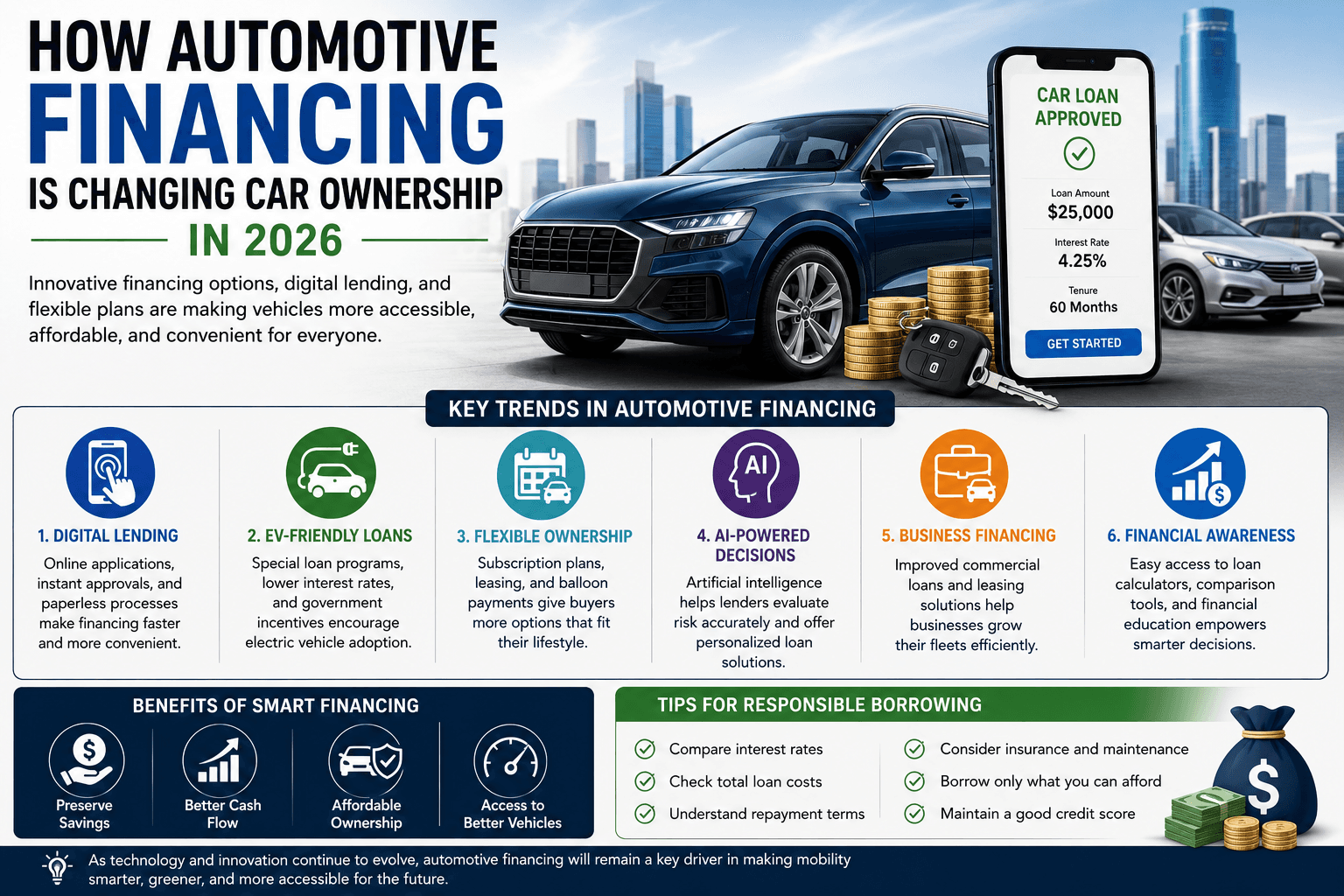
At our organisation, we believe automotive financing should be simple, transparent, and accessible. As vehicle prices continue to rise and customer expectations evolve, flexible financing solutions have become essential for both individual buyers and businesses. Our strategy is centred on making vehicle ownership more affordable while providing customers with the information and financing options they need to make confident financial decisions.
We focus on combining digital innovation, customer-first service, and flexible financing models to simplify the vehicle purchasing journey. Whether customers are buying a personal vehicle, financing an electric vehicle (EV), or expanding a commercial fleet, our approach is designed to support long-term financial success.
1. Customer-First Financing
Our strategy begins with understanding customer needs. Every buyer has different financial goals, income levels, and vehicle preferences, so we prioritise flexible financing options that accommodate a wide range of budgets and repayment plans.
2. Simplifying the Digital Experience
We are committed to making the financing process fast and convenient. Digital applications, secure document submission, online loan comparisons, and faster approval processes reduce paperwork and save valuable time for customers.
3. Supporting Electric Vehicle Adoption
As demand for electric vehicles continues to grow, we encourage financing solutions that make EV ownership more accessible. Flexible repayment options and specialised financing programmes help customers transition to cleaner transportation with greater confidence.
4. Leveraging Data and Technology
Technology plays a key role in our financing strategy. By using data analytics and intelligent decision-making tools, we help improve application processing, personalise financing recommendations, and enhance the overall customer experience.
5. Flexible Financing Solutions
Customers have different financial situations, which is why we support multiple financing options, including traditional loans, leasing, and subscription-based vehicle programmes where available. Flexibility allows customers to choose solutions that best match their lifestyles and financial objectives.
6. Financial Transparency
We believe informed customers make better financial decisions. Our approach emphasises clear information about interest rates, repayment schedules, total financing costs, and loan terms, ensuring there are no unnecessary surprises during the financing process.
7. Supporting Business Growth
Commercial vehicle financing is an important part of our strategy. Flexible financing helps businesses expand their fleets, preserve working capital, and invest in growth without placing excessive pressure on cash flow.
8. Responsible Lending
Sustainable financing depends on responsible borrowing and lending practices. We encourage customers to evaluate affordability, repayment capacity, insurance requirements, and long-term financial commitments before selecting a financing option.
9. Continuous Innovation
The automotive and financial industries continue to evolve rapidly. We remain committed to improving our financing solutions by embracing digital technologies, monitoring industry developments, and adapting our services to meet changing customer expectations.
Here are additional SEO-friendly headings with explanations and a comprehensive FAQ section for your automotive financing article.
10. Compare Financing Options Before Applying
Choosing the right financing option requires careful comparison. Buyers should evaluate interest rates, loan terms, monthly payments, down payment requirements, and any additional fees before making a commitment. Comparing multiple lenders helps consumers secure better financing while avoiding unnecessary borrowing costs.
11. Understand Your Credit Profile
A strong credit history often results in better loan terms and lower interest rates. Before applying for automotive financing, consumers should review their credit reports, correct any inaccuracies, and understand how their credit score may affect loan approval and borrowing costs.
Improving financial health before applying can increase the chances of securing more favourable financing.
12. Consider Total Ownership Costs
Financing is only one part of vehicle ownership. Buyers should also consider ongoing expenses such as insurance, maintenance, fuel or charging costs, registration fees, and depreciation.
Calculating the total cost of ownership provides a clearer picture of long-term affordability and helps consumers choose a vehicle that fits their budget.
13. The Rise of Green Vehicle Financing
As governments and manufacturers promote cleaner transportation, financing programmes for electric and hybrid vehicles continue to expand. Many lenders now offer competitive interest rates, longer repayment periods, and incentives that encourage environmentally responsible vehicle purchases.
Green financing supports sustainability while making advanced vehicle technology more accessible.
14. Digital Transformation in Automotive Finance
Digital technology has simplified the financing journey. Consumers can now complete loan applications, upload documents, receive approvals, sign agreements electronically, and track repayments online.
These digital services reduce processing times, improve convenience, and create a more transparent customer experience.
15. Why Financial Planning Matters Before Buying a Vehicle
Purchasing a vehicle is a significant financial commitment. Creating a realistic budget before applying for financing helps consumers determine affordable monthly payments while maintaining healthy personal finances.
Financial planning reduces the risk of missed payments and supports long-term financial stability.
Frequently Asked Questions (FAQs)
1. What is automotive financing?
Automotive financing allows individuals or businesses to purchase or lease vehicles by borrowing money from banks, credit unions, dealerships, or online lenders and repaying the amount over an agreed period.
2. How has automotive financing changed in 2026?
Automotive financing has become more digital, flexible, and customer-focused. Online applications, AI-assisted approvals, electric vehicle financing, and personalised loan options have made the financing process faster and more convenient.
3. What are the main types of automotive financing?
Common financing options include vehicle loans, leasing, dealership financing, online lending, commercial fleet financing, and vehicle subscription services.
4. Why is digital financing becoming more popular?
Digital financing allows customers to compare lenders, submit applications, upload documents, receive approvals, and manage loans entirely online, reducing paperwork and saving time.
5. How does credit score affect vehicle financing?
A higher credit score generally increases the likelihood of loan approval and may qualify borrowers for lower interest rates and better repayment terms.
6. What should buyers compare before choosing a loan?
Buyers should compare interest rates, repayment periods, monthly instalments, down payment requirements, processing fees, early repayment charges, and the total borrowing cost.
7. Are electric vehicles financed differently from conventional vehicles?
Many lenders now offer specialised financing programmes for electric vehicles, including competitive interest rates, extended repayment terms, and incentives that support environmentally friendly transportation.
8. What is vehicle leasing?
Vehicle leasing allows customers to use a vehicle for a fixed period by making monthly payments instead of purchasing it outright. At the end of the lease, customers may return, upgrade, or purchase the vehicle, depending on the agreement.
9. How can businesses benefit from commercial vehicle financing?
Commercial financing enables businesses to acquire or expand vehicle fleets without large upfront investments, helping preserve cash flow while supporting operational growth.
10. What are the benefits of responsible borrowing?
Responsible borrowing helps consumers manage debt effectively, maintain healthy credit scores, avoid financial stress, and ensure vehicle payments remain affordable throughout the loan period.
11. What trends are expected to shape automotive financing in the future?
Future trends include greater use of artificial intelligence, faster digital loan approvals, connected vehicle financing, expanded electric vehicle programmes, personalised lending solutions, and increased integration of digital banking technologies.
12. How can consumers make informed financing decisions?
Consumers should research different lenders, compare financing offers, understand loan terms, calculate the total cost of ownership, and ensure that monthly repayments fit comfortably within their budget before signing any financing agreement.Here are additional SEO-friendly headings with explanations and a comprehensive FAQ section for your automotive financing article.
10. Compare Financing Options Before Applying
Choosing the right financing option requires careful comparison. Buyers should evaluate interest rates, loan terms, monthly payments, down payment requirements, and any additional fees before making a commitment. Comparing multiple lenders helps consumers secure better financing while avoiding unnecessary borrowing costs.
11. Understand Your Credit Profile
A strong credit history often results in better loan terms and lower interest rates. Before applying for automotive financing, consumers should review their credit reports, correct any inaccuracies, and understand how their credit score may affect loan approval and borrowing costs.
Improving financial health before applying can increase the chances of securing more favourable financing.
12. Consider Total Ownership Costs
Financing is only one part of vehicle ownership. Buyers should also consider ongoing expenses such as insurance, maintenance, fuel or charging costs, registration fees, and depreciation.
Calculating the total cost of ownership provides a clearer picture of long-term affordability and helps consumers choose a vehicle that fits their budget.
13. The Rise of Green Vehicle Financing
As governments and manufacturers promote cleaner transportation, financing programmes for electric and hybrid vehicles continue to expand. Many lenders now offer competitive interest rates, longer repayment periods, and incentives that encourage environmentally responsible vehicle purchases.
Green financing supports sustainability while making advanced vehicle technology more accessible.
14. Digital Transformation in Automotive Finance
Digital technology has simplified the financing journey. Consumers can now complete loan applications, upload documents, receive approvals, sign agreements electronically, and track repayments online.
These digital services reduce processing times, improve convenience, and create a more transparent customer experience.
15. Why Financial Planning Matters Before Buying a Vehicle
Purchasing a vehicle is a significant financial commitment. Creating a realistic budget before applying for financing helps consumers determine affordable monthly payments while maintaining healthy personal finances.
Financial planning reduces the risk of missed payments and supports long-term financial stability.
Frequently Asked Questions (FAQs)
1. What is automotive financing?
Automotive financing allows individuals or businesses to purchase or lease vehicles by borrowing money from banks, credit unions, dealerships, or online lenders and repaying the amount over an agreed period.
2. How has automotive financing changed in 2026?
Automotive financing has become more digital, flexible, and customer-focused. Online applications, AI-assisted approvals, electric vehicle financing, and personalised loan options have made the financing process faster and more convenient.
3. What are the main types of automotive financing?
Common financing options include vehicle loans, leasing, dealership financing, online lending, commercial fleet financing, and vehicle subscription services.
4. Why is digital financing becoming more popular?
Digital financing allows customers to compare lenders, submit applications, upload documents, receive approvals, and manage loans entirely online, reducing paperwork and saving time.
5. How does credit score affect vehicle financing?
A higher credit score generally increases the likelihood of loan approval and may qualify borrowers for lower interest rates and better repayment terms.
6. What should buyers compare before choosing a loan?
Buyers should compare interest rates, repayment periods, monthly instalments, down payment requirements, processing fees, early repayment charges, and the total borrowing cost.
7. Are electric vehicles financed differently from conventional vehicles?
Many lenders now offer specialised financing programmes for electric vehicles, including competitive interest rates, extended repayment terms, and incentives that support environmentally friendly transportation.
8. What is vehicle leasing?
Vehicle leasing allows customers to use a vehicle for a fixed period by making monthly payments instead of purchasing it outright. At the end of the lease, customers may return, upgrade, or purchase the vehicle, depending on the agreement.
9. How can businesses benefit from commercial vehicle financing?
Commercial financing enables businesses to acquire or expand vehicle fleets without large upfront investments, helping preserve cash flow while supporting operational growth.
10. What are the benefits of responsible borrowing?
Responsible borrowing helps consumers manage debt effectively, maintain healthy credit scores, avoid financial stress, and ensure vehicle payments remain affordable throughout the loan period.
11. What trends are expected to shape automotive financing in the future?
Future trends include greater use of artificial intelligence, faster digital loan approvals, connected vehicle financing, expanded electric vehicle programmes, personalised lending solutions, and increased integration of digital banking technologies.
12. How can consumers make informed financing decisions?
Consumers should research different lenders, compare financing offers, understand loan terms, calculate the total cost of ownership, and ensure that monthly repayments fit comfortably within their budget before signing any financing agreement.Here are additional SEO-friendly headings with explanations and a comprehensive FAQ section for your automotive financing article.
10. Compare Financing Options Before Applying
Choosing the right financing option requires careful comparison. Buyers should evaluate interest rates, loan terms, monthly payments, down payment requirements, and any additional fees before making a commitment. Comparing multiple lenders helps consumers secure better financing while avoiding unnecessary borrowing costs.
11. Understand Your Credit Profile
A strong credit history often results in better loan terms and lower interest rates. Before applying for automotive financing, consumers should review their credit reports, correct any inaccuracies, and understand how their credit score may affect loan approval and borrowing costs.
Improving financial health before applying can increase the chances of securing more favourable financing.
12. Consider Total Ownership Costs
Financing is only one part of vehicle ownership. Buyers should also consider ongoing expenses such as insurance, maintenance, fuel or charging costs, registration fees, and depreciation.
Calculating the total cost of ownership provides a clearer picture of long-term affordability and helps consumers choose a vehicle that fits their budget.
13. The Rise of Green Vehicle Financing
As governments and manufacturers promote cleaner transportation, financing programmes for electric and hybrid vehicles continue to expand. Many lenders now offer competitive interest rates, longer repayment periods, and incentives that encourage environmentally responsible vehicle purchases.
Green financing supports sustainability while making advanced vehicle technology more accessible.
14. Digital Transformation in Automotive Finance
Digital technology has simplified the financing journey. Consumers can now complete loan applications, upload documents, receive approvals, sign agreements electronically, and track repayments online.
These digital services reduce processing times, improve convenience, and create a more transparent customer experience.
15. Why Financial Planning Matters Before Buying a Vehicle
Purchasing a vehicle is a significant financial commitment. Creating a realistic budget before applying for financing helps consumers determine affordable monthly payments while maintaining healthy personal finances.
Financial planning reduces the risk of missed payments and supports long-term financial stability.
Frequently Asked Questions (FAQs)
1. What is automotive financing?
Automotive financing allows individuals or businesses to purchase or lease vehicles by borrowing money from banks, credit unions, dealerships, or online lenders and repaying the amount over an agreed period.
2. How has automotive financing changed in 2026?
Automotive financing has become more digital, flexible, and customer-focused. Online applications, AI-assisted approvals, electric vehicle financing, and personalised loan options have made the financing process faster and more convenient.
3. What are the main types of automotive financing?
Common financing options include vehicle loans, leasing, dealership financing, online lending, commercial fleet financing, and vehicle subscription services.
4. Why is digital financing becoming more popular?
Digital financing allows customers to compare lenders, submit applications, upload documents, receive approvals, and manage loans entirely online, reducing paperwork and saving time.
5. How does credit score affect vehicle financing?
A higher credit score generally increases the likelihood of loan approval and may qualify borrowers for lower interest rates and better repayment terms.
6. What should buyers compare before choosing a loan?
Buyers should compare interest rates, repayment periods, monthly instalments, down payment requirements, processing fees, early repayment charges, and the total borrowing cost.
7. Are electric vehicles financed differently from conventional vehicles?
Many lenders now offer specialised financing programmes for electric vehicles, including competitive interest rates, extended repayment terms, and incentives that support environmentally friendly transportation.
8. What is vehicle leasing?
Vehicle leasing allows customers to use a vehicle for a fixed period by making monthly payments instead of purchasing it outright. At the end of the lease, customers may return, upgrade, or purchase the vehicle, depending on the agreement.
9. How can businesses benefit from commercial vehicle financing?
Commercial financing enables businesses to acquire or expand vehicle fleets without large upfront investments, helping preserve cash flow while supporting operational growth.
10. What are the benefits of responsible borrowing?
Responsible borrowing helps consumers manage debt effectively, maintain healthy credit scores, avoid financial stress, and ensure vehicle payments remain affordable throughout the loan period.
11. What trends are expected to shape automotive financing in the future?
Future trends include greater use of artificial intelligence, faster digital loan approvals, connected vehicle financing, expanded electric vehicle programmes, personalised lending solutions, and increased integration of digital banking technologies.
12. How can consumers make informed financing decisions?
Consumers should research different lenders, compare financing offers, understand loan terms, calculate the total cost of ownership, and ensure that monthly repayments fit comfortably within their budget before signing any financing agreement.
Conclusion
Our automotive financing strategy is built around flexibility, transparency, innovation, and customer success. By combining digital solutions with responsible financing practices, we aim to make vehicle ownership more accessible for individuals and businesses alike.
As technology and mobility continue to evolve, we will continue enhancing our services, simplifying financing processes, and providing solutions that help customers achieve their transportation goals with confidence.Our Strategy for Smarter Automotive Financing Solutions